




Why Monsoon Hydration Is Different
It’s a common misconception that we don’t need to drink as much water when the weather is cool and humid. We may not feel as thirsty, but our bodies are still losing fluids through sweat, especially in the muggy climate that defines the Indian monsoon.
Dehydration can sneak up on you, leading to headaches, fatigue, and a weakened immune system. At a time when our bodies need to be at their strongest to fight off seasonal infections, proper hydration is our first line of defence. The goal isn’t just to quench thirst, but to maintain optimal bodily function, which includes everything from digestion to flushing out toxins.
The Invisible Threat of Waterborne Diseases
The primary danger of the rainy season isn't the water falling from the sky, but the water coming out of our taps. Heavy rains can lead to the contamination of public water sources with sewage and agricultural runoff. This significantly increases the risk of waterborne diseases like cholera, typhoid, gastroenteritis, hepatitis A, and jaundice. These illnesses are often caused by bacteria and viruses that are invisible to the naked eye but can have severe health consequences. Symptoms can range from mild diarrhoea and vomiting to life-threatening complications. This is why simply drinking tap water, even if it appears clear, is a major gamble during the monsoon.
Your Guide to Purifying Water at Home
Making your water safe is a non-negotiable step. The most time-tested method is boiling. Bringing water to a rolling boil for at least one full minute (and longer at higher altitudes) effectively kills most disease-causing microorganisms. After boiling, let it cool and store it in clean, covered containers. For convenience, modern water purifiers are an excellent investment. A good RO (Reverse Osmosis) system combined with UV (Ultraviolet) and UF (Ultrafiltration) technology offers multi-layered protection. RO removes dissolved impurities and heavy metals, UV deactivates bacteria and viruses, and UF filters out larger particles. Regardless of the method you choose, consistency is key. Ensure every drop of water used for drinking and cooking is purified.
Beyond Water: Hydrating Foods and Drinks
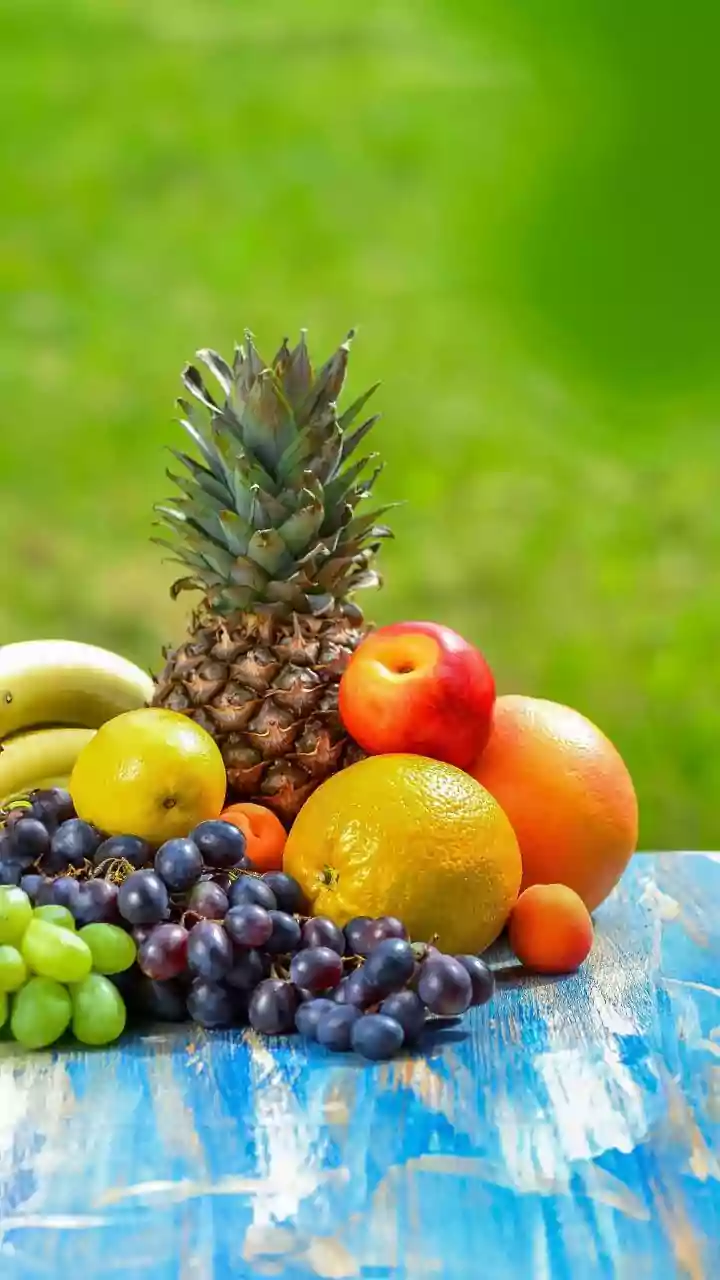
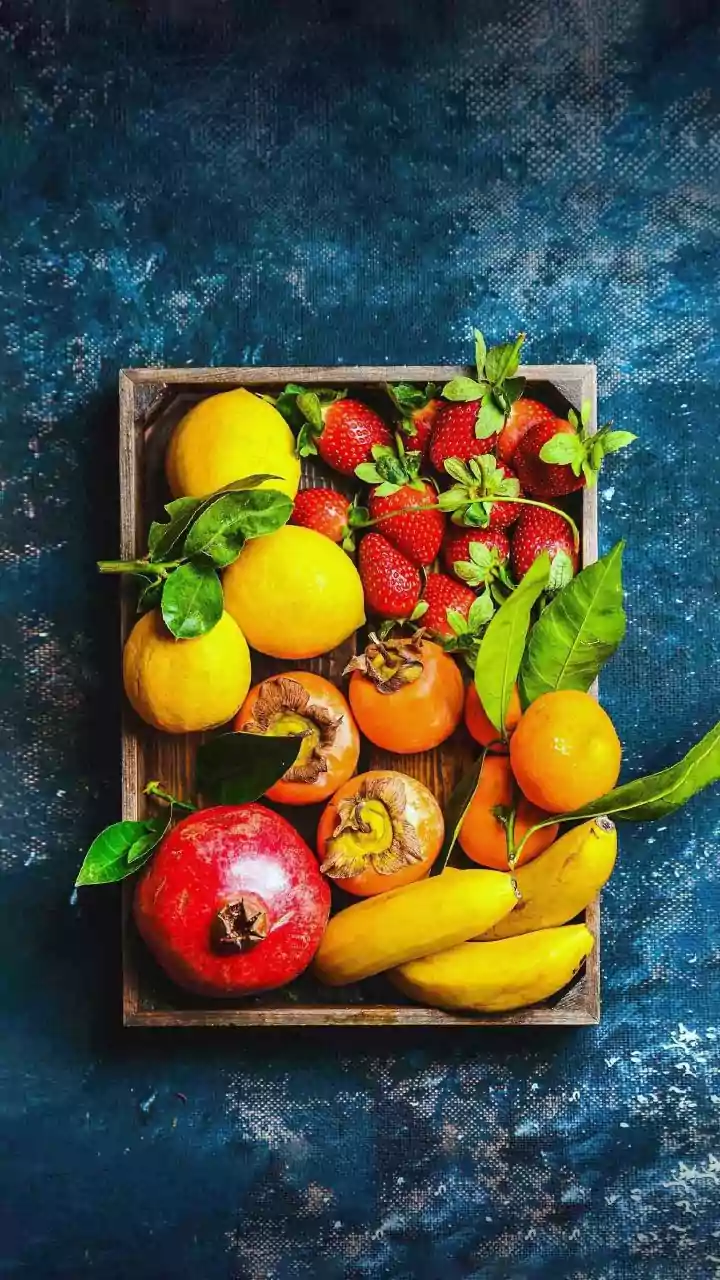
Hydration doesn't only come from a glass of water. You can supplement your intake with hydrating foods and beverages. Warm soups, like dal or a clear vegetable broth, are excellent choices as they provide both fluids and essential nutrients. Herbal teas such as ginger, tulsi, or chamomile are comforting and help boost immunity. Incorporate water-rich vegetables and fruits into your diet, but be sure to wash them thoroughly with purified water. Cucumbers, tomatoes, and oranges are great options. A glass of warm lemon water with a dash of honey in the morning can also help kickstart your metabolism and provide a dose of Vitamin C.
What to Avoid for a Healthy Season
Just as important as knowing what to consume is knowing what to avoid. Be extremely cautious about drinking water or juices from street vendors, as the source of their water and ice is often questionable. The same goes for chutneys and golgappa paani. It's also wise to steer clear of leafy green vegetables that are difficult to clean and may carry residual dirt and germs. Raw salads from restaurants are best avoided unless you are certain they are prepared with the highest hygiene standards. The simple rule is: if you can't be sure it's clean, don't eat or drink it. Stick to freshly cooked, hot meals, preferably made at home.