





Understanding Your Gut's Ecosystem
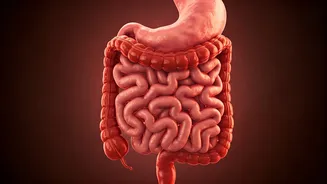
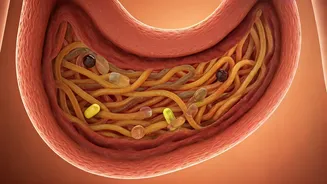
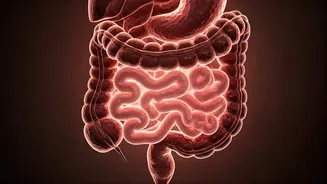
Your digestive system is more than just a food processing plant; it’s a bustling metropolis of trillions of microorganisms, collectively known as the gut microbiome. This internal ecosystem is home to both beneficial and harmful bacteria. Under normal
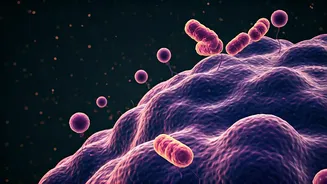
conditions, the good bacteria keep the bad ones in check, helping with digestion, nutrient absorption, and even supporting your immune system. The problem arises when this delicate balance is disrupted, often by consuming contaminated food or water, which can be a risk with roadside fare. Pathogens like E. coli, Salmonella, and Staphylococcus aureus are common culprits in foodborne illnesses, leading to familiar woes like diarrhoea, cramps, and vomiting.
Probiotics: Your Gut's Tiny Guardians
This is where cultured drinks come in. They are rich in probiotics, which are live, beneficial microorganisms that, when consumed in adequate amounts, offer a health benefit. Think of them as reinforcements for your gut's army. Probiotics work in several ways to protect you. They compete with harmful pathogens for space and nutrients, effectively crowding them out so they can't establish a foothold in your gut. They also help strengthen the intestinal lining, creating a stronger barrier that prevents harmful substances from entering your bloodstream. Furthermore, some probiotics can produce substances that directly inhibit the growth of harmful bacteria, acting as your personal internal security force.
The Desi Defenders: Chaas and Lassi
For generations, Indian households have relied on two delicious and cooling beverages: chaas (buttermilk) and lassi. These aren't just summer refreshers; they are traditional probiotic powerhouses. Both are typically made from curd (yoghurt) and are teeming with beneficial bacteria, primarily from the Lactobacillus family. These bacteria are known to aid digestion, soothe the stomach lining after a spicy meal, and help maintain a healthy gut flora. Regular consumption of chaas or lassi helps replenish the good bacteria in your gut, making the environment less hospitable for invading pathogens. They are an easy and familiar way to incorporate probiotics into your daily diet, supporting your digestive health and immunity.
Global Champions: Kefir and Kombucha
Beyond traditional Indian drinks, a new wave of fermented beverages has gained global popularity for their potent health benefits. Kefir, a fermented milk drink, is one such champion. It contains a wider variety of probiotic strains than yoghurt, including unique bacteria and yeasts that have been shown to have strong antibacterial properties against pathogens like Salmonella and E. coli. Kombucha, a fizzy, fermented tea, is another excellent option. It contains a symbiotic colony of bacteria and yeast (SCOBY) that produces probiotics and beneficial acids. Lab studies have suggested that kombucha can have antibacterial effects against several strains of bacteria responsible for food poisoning. Both kefir and kombucha offer a different flavour profile and a diverse range of microbes to further strengthen your gut's defences.
Making Smart Choices
To get the most benefit, it’s important to choose your cultured drinks wisely. Many commercially available versions of lassi and other probiotic drinks are loaded with sugar, which can feed the bad bacteria and counteract the benefits. Always check the label for live and active cultures and opt for plain or low-sugar varieties. Homemade is often best, as it gives you complete control over the ingredients. For traditional drinks like chaas, flavouring it with digestive spices like roasted cumin powder (jeera), ginger, and mint can further enhance its gut-soothing properties. The key is consistency. Incorporating these drinks into your daily routine is more effective than drinking one occasionally after you already feel unwell. They work by building a resilient gut environment over time.