



What Exactly Are 'Seasonal Plates'?
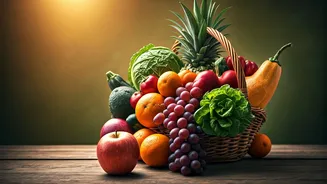
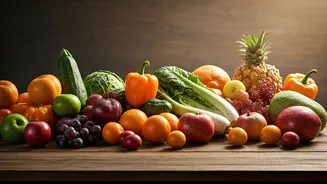
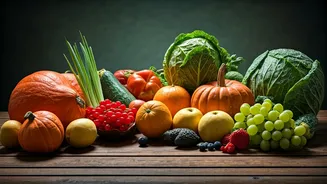
At its core, eating seasonally means choosing foods that are naturally harvested at the time you are eating them. It’s the simple wisdom of enjoying mangoes in the sweltering summer months, crisp apples in the autumn, and leafy greens like spinach and mustard
(sarson) during the cooler winter. This approach, known as 'Ritucharya' in Ayurveda, aligns our diet with the cycles of nature. It’s less a strict diet and more a philosophy—a conscious choice to eat produce when it is at its peak in flavour, nutrient density, and abundance. Instead of demanding strawberries in December, it’s about embracing the root vegetables and citrus fruits that winter naturally provides.
Why Is This Ancient Idea Trending Now?
If eating with the seasons is such an old concept, why is it suddenly being hailed as a 'new' trend? The answer lies in a collective shift in our wellness priorities. Many of us are experiencing diet fatigue, tired of complicated rules and processed 'health' foods. Seasonal eating offers a refreshing, intuitive alternative. It feels authentic and grounded in a world of digital noise. Furthermore, there's a growing awareness of sustainability. Consumers are increasingly questioning where their food comes from, and the idea of reducing 'food miles'—the distance food travels from farm to plate—has gained significant traction. This trend taps into a desire for connection: to our food, to local farmers, and to the natural environment.
The Peak Nutrition Advantage
Produce that is picked and eaten in season is simply better for you. When fruits and vegetables are allowed to ripen naturally on the vine or in the ground, they develop their full nutritional profile. Out-of-season produce is often harvested early to withstand long-distance shipping and then artificially ripened with gases, a process that can compromise its vitamin and mineral content. For example, studies have shown that broccoli grown in its peak season (autumn) can have significantly more Vitamin C than when grown in the spring. By eating seasonally, you are consuming foods at their nutritional prime, packed with the antioxidants, vitamins, and phytonutrients your body needs to thrive.
Better Flavour, Better Budget
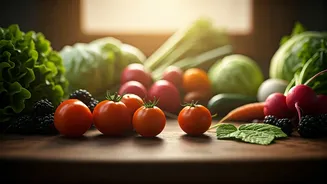
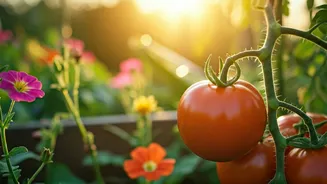
The benefits aren't just nutritional; they extend to your palate and your wallet. Anyone who has tasted a ripe, juicy summer tomato versus a hard, pale winter one knows the difference. In-season produce is bursting with flavour because it's been harvested at the perfect moment. This superior taste can transform your cooking, making simple dishes delicious without needing excess salt, sugar, or sauces. Economically, the logic is simple supply and demand. When a particular fruit or vegetable is in season, it's abundant, and that surplus drives down costs. You'll often find that seasonal items are on special at your local grocer or sabziwala, making it a budget-friendly way to eat high-quality food.
A Kinder Choice for the Planet
Your food choices have an environmental impact, and eating seasonally is a powerful way to make a positive change. Out-of-season demand requires food to be shipped across the country or the globe, burning fossil fuels and contributing to carbon emissions. It also necessitates energy-intensive practices like heated greenhouses and extensive cold storage. By prioritising local, seasonal foods, you reduce the carbon footprint of your diet, support local farmers, and promote a more sustainable agricultural system that works with nature, not against it.
How to Start Eating Seasonally
Adopting this lifestyle doesn't require a radical overhaul. Start small. The next time you go shopping, take a moment to observe what's plentiful and well-priced. That's usually a good sign of what's in season. Visiting a local farmers' market is an even better way to connect directly with seasonal produce and the people who grow it. You can also find seasonal food guides for India online, which list what's best to eat each month. Challenge yourself to try one new seasonal vegetable or fruit each week. It’s an exploration, not a test, and a delicious way to rediscover the rhythm of food.