






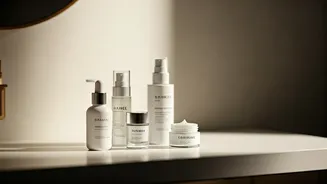


The New Centre of Demand
The long-held assumption that premium skincare is a metro-exclusive phenomenon is officially outdated. Today, the most significant growth in India's booming beauty and personal care market is not coming from Mumbai or Delhi, but from cities like Jaipur,
Lucknow, Indore, and Guwahati. According to e-commerce giant Flipkart, two out of every three beauty searches on its platform now originate from non-metro cities. This isn't just about mass-market products; more than half of the demand for premium beauty on platforms like Amazon is now driven by these smaller cities. This seismic shift indicates that consumers in non-metro India are no longer just catching up—they are setting the pace for the entire industry.
The Digital Revolution Unlocks Access
The single greatest catalyst for this change has been the digital revolution. The combination of affordable smartphones and low-cost data plans has effectively erased the geographical boundaries that once limited access to products and information. E-commerce platforms have become virtual marketplaces, bringing national and international brands to pin codes that were previously unserviceable. This has democratised choice, allowing a consumer in Cuttack or Guntur to explore the same ingredient-led serums or Korean beauty trends as someone in a major metro. The rise of quick commerce is further accelerating this, with platforms promising deliveries within hours, satisfying the need for immediacy that once made offline stores the only option.
From Aspiration to Information
This newfound access has fundamentally changed consumer behaviour. The conversation is no longer just about aspirational marketing featuring celebrities. Instead, it has become about education and information. Consumers in Tier 2 and Tier 3 cities are increasingly ingredient-conscious, actively searching for products containing active ingredients like niacinamide, hyaluronic acid, and salicylic acid. They are watching videos, reading reviews, and engaging with regional influencers who offer relatable and authentic advice. This shift from passive consumption to active participation means brands can no longer rely on brand name alone; they must now prove their product's efficacy and be transparent about its formulation.
How D2C Brands Seized the Opportunity
This evolving landscape created the perfect opening for a new wave of Direct-to-Consumer (D2C) brands. Companies like WOW Skin Science, Mamaearth, and Sugar Cosmetics built their businesses by bypassing traditional retail networks and engaging directly with this underserved audience online. Many of these brands found that over 60% of their sales were coming from non-metro areas. They tailored their products and marketing to these consumers, focusing on specific concerns, offering affordable price points, and building communities on social media. Their success proved that a massive, digitally-savvy market was waiting to be tapped, prompting even legacy and luxury brands to rethink their strategies and expand their presence, both online and offline, into these thriving new markets.