







Mobility vs. Flexibility: What’s the Difference?
Before we go further, let's clear up a common confusion. While often used interchangeably, mobility and flexibility are not the same. Flexibility refers to your muscles' ability to passively lengthen—think holding a static toe-touch stretch. It’s about
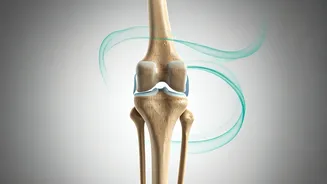
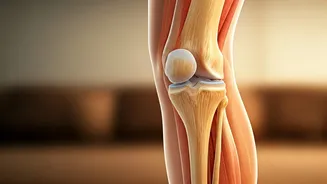
how far a muscle can be stretched by an external force.Mobility, on the other hand, is about your joints. It’s your ability to actively move a joint through its full, intended range of motion without restriction or pain. It’s about control and strength at the end ranges of your movement. Think of a deep, controlled squat where your hips, knees, and ankles all work in harmony. You can be flexible without being mobile, but you can’t have good mobility without adequate flexibility. Trainers are focusing on mobility because it’s the active, functional component that translates directly to better movement in the gym and in life.
The Case for a Strong Foundation
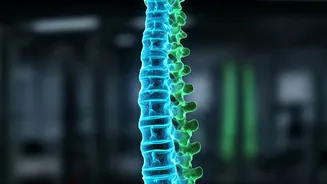
So, why the sudden focus? The shift is largely a response to our modern lifestyles. Hours spent sitting at a desk, commuting in a car, or hunched over a phone have left many of us with tight hips, stiff thoracic spines, and rounded shoulders. These are mobility problems, not just strength deficits.In the past, someone might walk into a gym and be told to start squatting heavy weights on day one. But if their hips and ankles are too tight to allow for proper form, they’re not just limiting their results; they’re setting themselves up for injury. Forward-thinking trainers now recognise that you must first earn the right to lift heavy by building a foundation of movement quality. They are addressing the root cause—poor mobility—before piling on external loads. It's like ensuring a building has a solid foundation before adding more floors.
Prehab Is the New Rehab
One of the biggest drivers of the mobility trend is the focus on longevity and injury prevention. The fitness industry is moving away from a reactive model (fixing injuries after they happen) to a proactive one (preventing them in the first place). This is often called 'prehab'.Good mobility ensures your joints can move as they were designed to. When a joint is restricted—say, your hip—the body will find a way to complete a movement by compensating elsewhere, often at the joint above or below. For a tight hip, that often means the lower back or the knee takes on extra strain it wasn't designed for. This compensation is a leading cause of the nagging lower back pain, knee issues, and shoulder impingements that plague so many gym-goers. By prioritising drills that improve hip rotation, shoulder movement, and spine articulation, trainers are helping clients build more resilient bodies that are less prone to these common, frustrating injuries.
Unlocking Your True Strength Potential
Here's the key takeaway: prioritising mobility doesn't mean abandoning heavy lifting. In fact, it makes your heavy lifting better, safer, and more effective. It's not an 'either/or' choice; it’s a 'this, then that' sequence. Think about it: a deeper squat engages more of your glutes and quads. A bench press with full shoulder-blade retraction is safer and recruits more chest muscles. Better ankle mobility allows for more stability in lunges and deadlifts.By improving your range of motion, you improve your form. Better form allows you to recruit the correct muscles more efficiently and express your strength more fully. You might even find that after a few weeks of dedicated mobility work, you can lift heavier than before because you're no longer fighting against your own body's restrictions. Mobility is the key that unlocks the door to your full strength potential.
What Mobility Training Looks Like
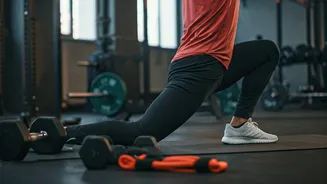
This isn't about spending an hour on foam rolling and static stretching. Modern mobility work is active and dynamic. It's often integrated into a warm-up to prepare the body for the workout ahead. It can also be a dedicated session on a recovery day.Common mobility exercises include Controlled Articular Rotations (CARs), where you slowly move a joint through its largest possible circle of motion. Other examples are cat-cow stretches for spinal mobility, 90/90 hip switches to open up the hips, and wall slides to improve shoulder function. The goal is to move with intention and control, waking up the nervous system and lubricating the joints before they are asked to handle heavy loads. A good trainer will assess your specific limitations and prescribe drills tailored to you.