





The Science of Staying Dry
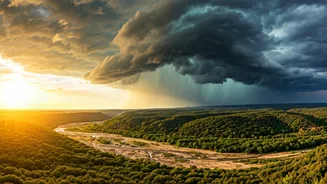
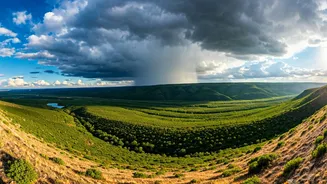
So, what exactly is a rain-shadow region? It’s a dry area on one side of a mountain range, known as the leeward side. When moisture-rich winds from the sea encounter a mountain, they are forced to rise. As the air ascends, it cools, and the moisture condenses
to fall as rain on the windward side. By the time the air crosses over the mountain peak and descends on the other side, it has lost most of its moisture. This descending air warms up, absorbing any remaining moisture and creating a dry, often arid or semi-arid, climate. In India, the Western Ghats and the Himalayas create significant rain-shadow effects, resulting in unique travel destinations that remain surprisingly dry even during the peak monsoon months.
The High-Altitude Desert of Ladakh
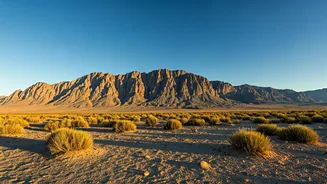
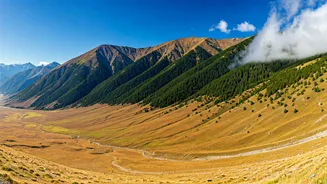
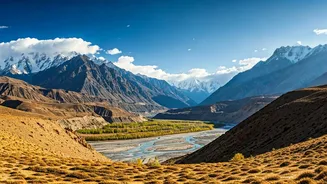
While much of India is drenched by monsoon rains from June to September, Ladakh remains a sanctuary of sunshine and clear blue skies. Shielded by the formidable Himalayan ranges, which block the monsoon clouds from entering, this high-altitude desert receives minimal rainfall. This makes it an ideal time to explore its otherworldly landscapes, from the dramatic mountain passes and serene monasteries to the crystal-clear waters of Pangong Tso and Tso Moriri lakes. The weather is pleasantly warm during the day, perfect for road trips through the Nubra Valley or attending vibrant local festivals that often take place during these months. For travellers seeking adventure without the risk of rain-induced landslides common in other hill stations, Ladakh is a prime choice.
The Mystic Landscapes of Spiti Valley
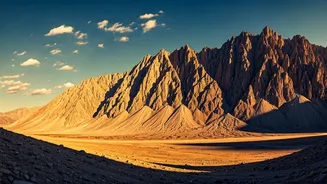
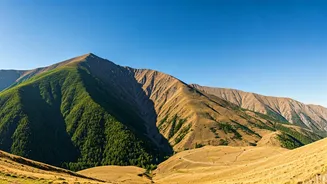
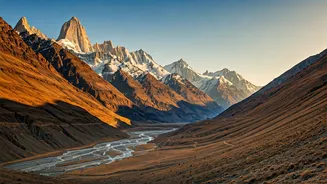
Much like Ladakh, Spiti Valley in Himachal Pradesh is a cold desert that lies in a rain-shadow zone, making it an excellent monsoon-era destination. While the approach roads from Manali or Shimla might see some rain and challenging conditions, the valley itself remains largely dry and accessible. The monsoon season transforms the stark, barren mountains into a canvas of subtle colours, with dramatic clouds casting moving shadows across the landscape. It's a fantastic time for photographers and those seeking solitude. You can explore ancient Buddhist monasteries like Key Monastery and Tabo, visit some of the world's highest villages like Komic and Hikkim, and trek through breathtaking scenery without the worry of constant downpours.
The Eastern Deccan Plateau
For those looking for a southern escape, the interior of the Deccan Plateau offers a different kind of rain-shadow experience. The towering Western Ghats absorb the brunt of the southwest monsoon, casting a dry shadow over the eastern slopes and the plains beyond. Regions in western Tamil Nadu and the interiors of Karnataka and Andhra Pradesh receive significantly less rainfall than their coastal counterparts. This creates a semi-arid climate where you can explore historic temple towns, unique rock formations, and a landscape that possesses a stark, rugged beauty. Cities like Coimbatore, while receiving some rain, are gateways to drier inland areas and serve as excellent bases for exploration. It’s a chance to see a different side of South India, one that thrives in the absence of heavy monsoon showers.
Exploring Tirunelveli and its Surroundings
Further south in Tamil Nadu, the Tirunelveli district and its surroundings also benefit from the rain-shadow effect of the Western Ghats. While areas like Courtallam are famous for their monsoon-fed waterfalls, the eastern parts of the district remain relatively dry. This allows for comfortable travel to explore the region’s rich heritage, including the magnificent Nellaiappar Temple and other ancient shrines. It’s a region steeped in history and culture, offering a tranquil travel experience. The unique geography means you can be near the lush, rain-soaked mountains of the Western Ghats while enjoying drier weather just a short drive away, giving you the best of both worlds.