


A Long-Awaited Second Home
The entire wild population of Asiatic lions has long been confined to Gujarat's Gir landscape. While a conservation success, having all your lions in one basket is a risky strategy. A single disease outbreak, like the canine distemper virus that killed
several lions in 2018, or a natural disaster could be catastrophic. For years, experts have called for a second, geographically separate home to safeguard the species. Barda Wildlife Sanctuary, located about 100 kilometres from Gir, is now officially that second home, designated 'Satellite Population 8' under the central government's Project Lion.
What a Recent Study Confirms
A study recently published in the scientific journal 'PLOS One' has provided crucial evidence that Barda is more than just a backup plan; it's a thriving habitat. Titled 'Beyond Gir: Barda Wildlife Sanctuary as a Potential Stronghold for Asiatic Lions', the research tracked radio-collared lions to understand their behaviour. Between January 2023 and July 2025, researchers collected over 169,000 GPS data points from one male and five female lions. The findings confirmed that the lions are actively using Barda's forests and grasslands, establishing home ranges, and forming social bonds. This scientific validation shows the sanctuary has the right ecological conditions to support a lion population for the long term.
The Lions Voted With Their Feet
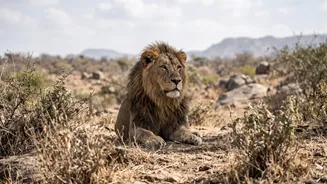
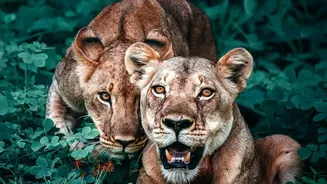
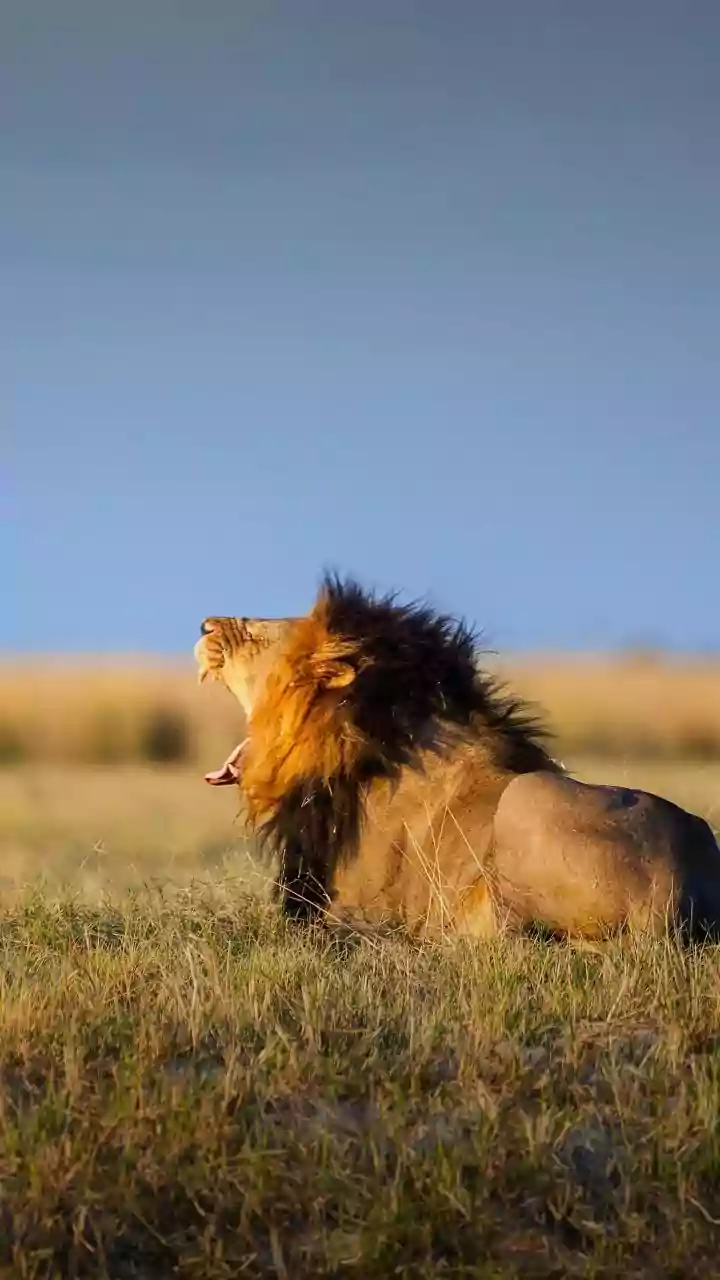
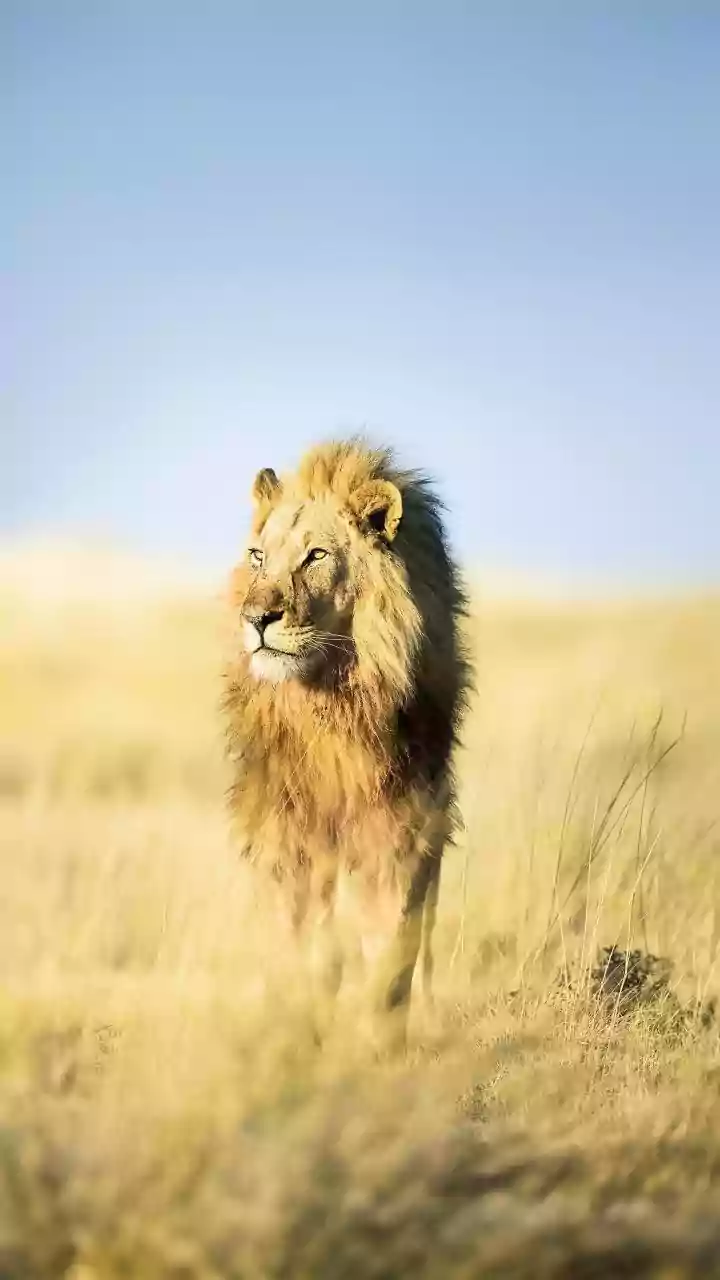
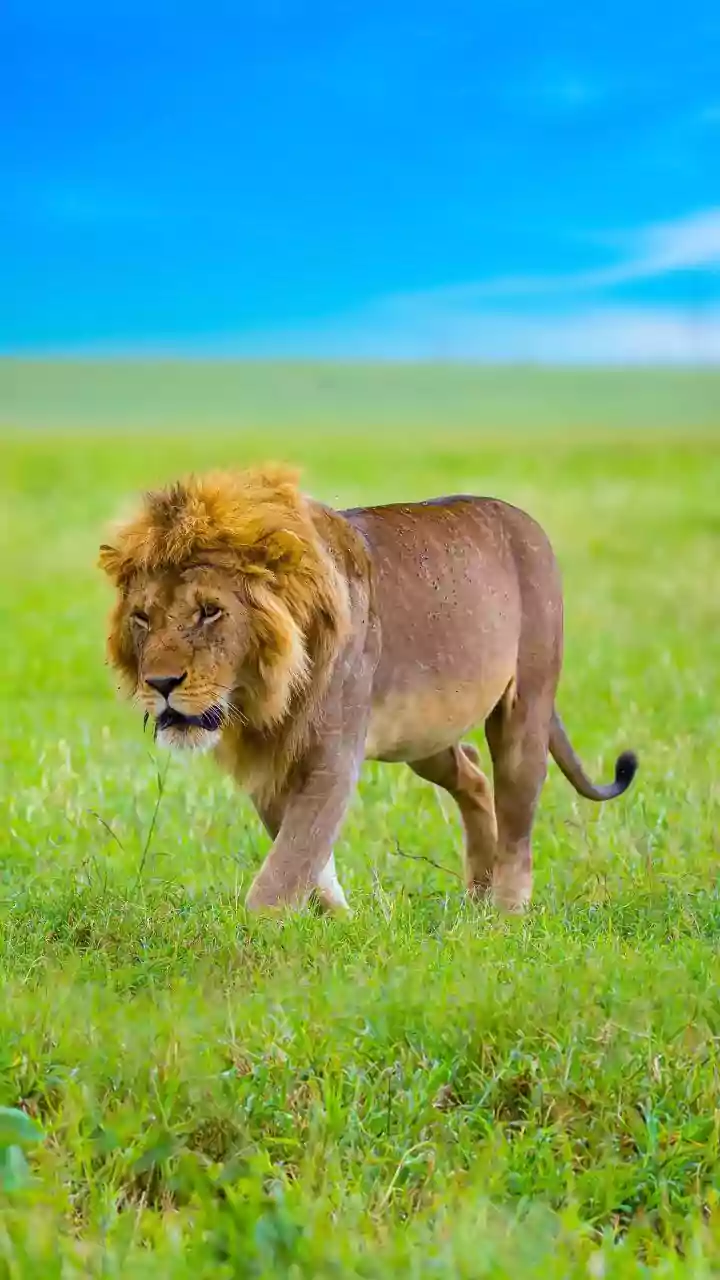
The return of lions to Barda after 144 years of absence wasn't just a top-down decision. It began organically in January 2023 when a young male lion naturally dispersed from the greater Gir region and walked into Barda on its own. This pioneering journey signalled that the habitat was once again attractive to the big cats. Following this natural recolonisation, the Gujarat Forest Department augmented the budding population by introducing five females. As of October 2026, the sanctuary is now home to a growing pride of 17 lions, including several cubs born in their new home.
Building a Healthy Ecosystem
A suitable home for an apex predator needs two key things: space and food. The study found that lions in Barda showed clear habitat preferences, favouring mixed forests and grasslands. To ensure a sustainable food source, significant efforts are underway to improve the prey base. The lions' diet currently consists mainly of wild pigs and some domestic cattle. To supplement this, authorities have been translocating herbivores; in 2025-26 alone, 441 chitals (spotted deer) were moved from Gir to Barda. These efforts, combined with habitat improvement works like removing invasive species, are crucial for reducing human-lion conflict and ensuring the pride's long-term success.
Challenges and the Road Ahead
Establishing Barda as a stronghold is an ongoing process. While the study provides encouraging results, its authors note the need for continued monitoring. Proactive management to mitigate human-lion conflict is essential, especially as the population grows. The government has initiated schemes to encourage the voluntary relocation of semi-nomadic pastoralist families from within the sanctuary, offering them compensation to move outside its boundaries. This aims to reduce biotic pressure and open up more space for wildlife. The success of Barda will ultimately depend on balancing the needs of wildlife with those of local communities.