
Dzukou Valley, Nagaland & Manipur
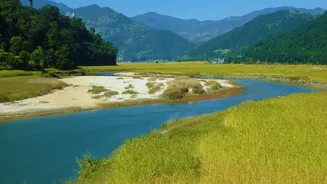
Often called the 'Valley of Flowers of the Northeast', Dzukou Valley is a trekker's paradise straddling the border of Nagaland and Manipur. At an altitude of 2,452 metres, the valley is famous for its rolling, treeless hills carpeted in a unique species
of dwarf bamboo. The landscape transforms with the seasons; post-monsoon offers clear, crisp views, while early summer sees the valley floor covered in a riot of wildflowers, including the rare and beautiful Dzukou Lily. The trek itself, starting from villages like Viswema or Jakhama in Nagaland, is a rewarding challenge through lush forests before opening up to the breathtaking panoramic views of the valley. It’s a place of profound tranquility, where winding streams cut through the green expanse and the silence is broken only by the wind.
Living Root Bridges, Meghalaya
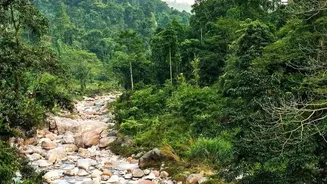
In the dense, wet forests of Meghalaya, the Khasi and Jaintia people have practiced a form of bio-engineering for centuries that is nothing short of miraculous. Instead of building bridges, they grow them. By guiding the aerial roots of the Ficus elastica (Indian Rubber Tree) across rivers and streams, often using hollowed-out areca palm trunks, they create living structures that become stronger with time. Some of these bridges are over 500 years old. The most famous example is the Umshiang Double-Decker Root Bridge in Nongriat village, a two-tiered marvel that is a testament to sustainable, generational ingenuity. Reaching these bridges requires trekking through steep, jungle terrain, but the reward is witnessing a perfect harmony between human innovation and nature.
Gurudongmar Lake, Sikkim
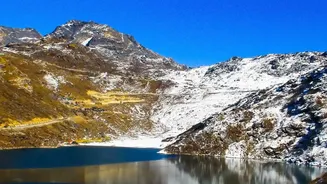
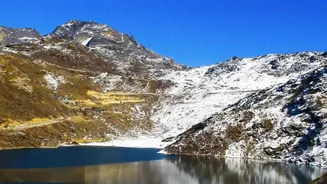
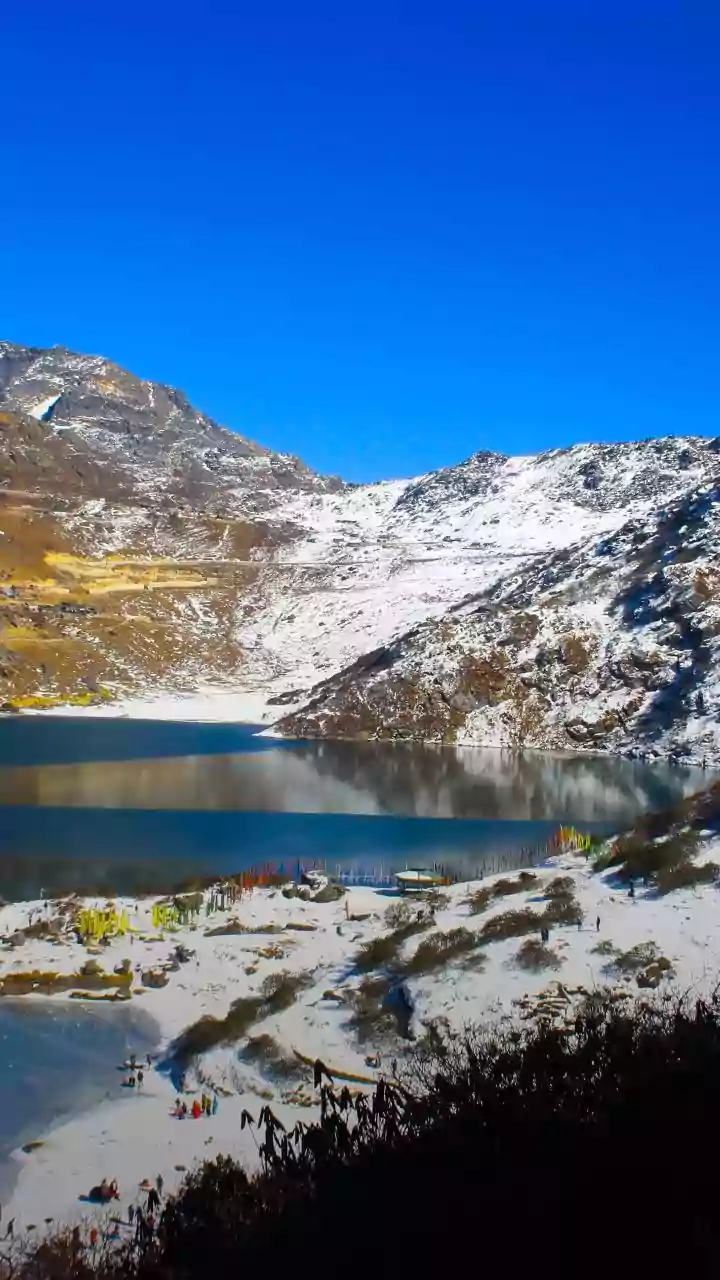
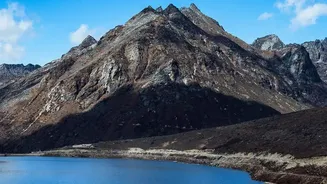
Venture into the high-altitude desert of North Sikkim to find Gurudongmar Lake, one of the highest lakes in the world, situated at a staggering elevation of over 17,000 feet. The journey is arduous, requiring acclimatization in Lachen before an early morning drive across a barren, windswept plateau near the Tibetan border. The sight that greets you is otherworldly: a vast expanse of brilliant turquoise water surrounded by stark, snow-dusted mountains. Sacred to both Buddhists and Sikhs, legend holds that a portion of the lake never freezes, even in the harshest winters, a blessing from Guru Padmasambhava to provide water to the local people. The air is thin and the time you can spend is short, but the profound serenity and raw beauty of the landscape leave a lasting impression.
Ziro Valley, Arunachal Pradesh
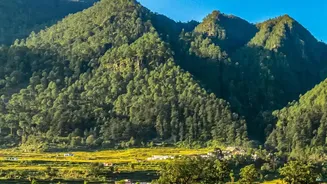
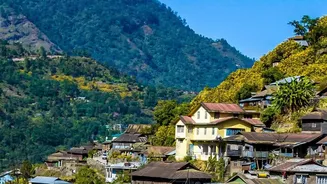
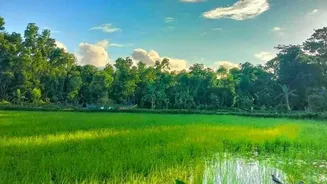
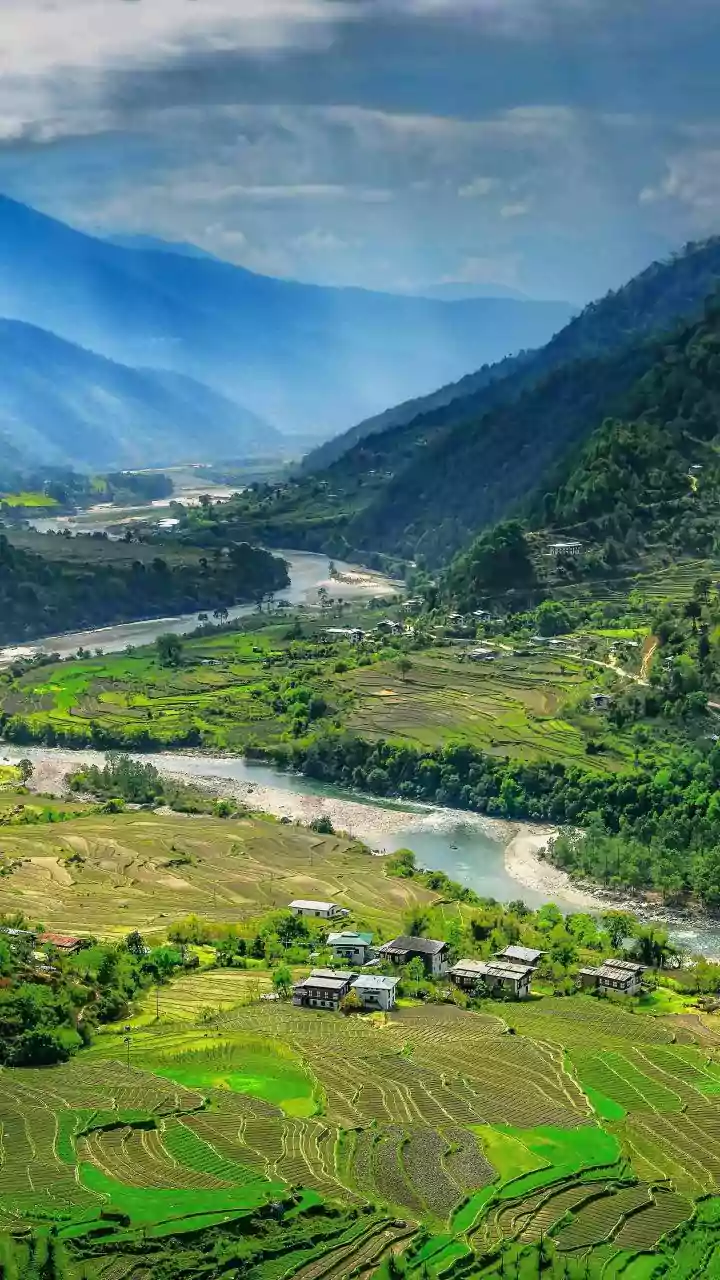
A flat, lush plateau surrounded by pine-clad hills, Ziro Valley is the heartland of the Apatani people, a tribe renowned for their unique and sustainable way of life. The valley's landscape is a picture of serene agriculture, characterized by an ingenious system of wet rice cultivation integrated with fish farming. This intricate network of paddies, irrigated by a system of canals and bamboo pipes, has earned the valley a place on the tentative list for UNESCO World Heritage Sites. Beyond its agricultural beauty, Ziro is a cultural hub, known for its tranquil villages of traditional bamboo houses and the vibrant Ziro Music Festival. It’s a place to experience a unique cultural landscape where humanity and nature exist in a gentle, time-honoured balance.
Loktak Lake, Manipur
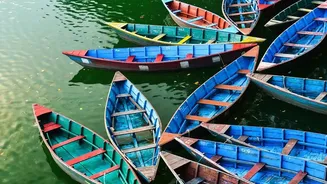
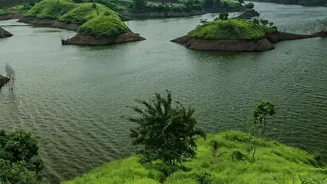
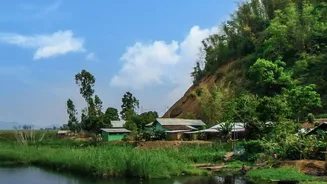
The largest freshwater lake in Northeast India, Loktak Lake in Manipur offers a landscape found nowhere else on Earth. Its surface is dotted with 'phumdis'—heterogeneous masses of vegetation, soil, and organic matter that float on the water in circular formations. These floating islands are robust enough for local fishermen to build their homes, called 'phumsangs', creating entire floating villages. The largest of these phumdis, covering 40 square kilometres, forms the Keibul Lamjao National Park, the world's only floating national park. This unique park is the last natural refuge of the endangered Sangai, or brow-antlered deer, which can be seen gracefully navigating its floating habitat. A boat ride across Loktak offers a surreal experience of a waterborne world.