



Your Pre-Monsoon Vehicle Checklist
A safe monsoon journey begins before you even start the engine. Your vehicle's condition is paramount when facing wet and unpredictable roads. First, inspect your tyres. They are your only connection to the slippery tarmac. Ensure they have adequate tread
depth—at least 3mm is recommended for monsoon safety, as worn tyres significantly increase the risk of hydroplaning. Next, check your wiper blades. The summer heat degrades the rubber, leading to streaks or squeaking that can dangerously impair vision during a downpour. It is advisable to replace them annually before the rains begin. Equally important are your brakes. Wet conditions increase your vehicle's stopping distance, so ensure your brake pads have sufficient thickness and the brake fluid is clean. Finally, walk around your car and test all lights: headlights, tail lights, indicators, and fog lamps. In low visibility, being seen is as crucial as seeing.
The Art of Driving in the Rain
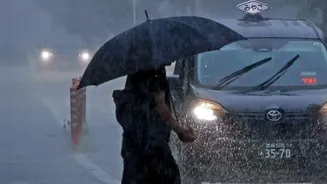
Once on the road, adjusting your driving style is non-negotiable. The first and most important rule is to slow down. Your usual speed is unsafe on wet roads where braking distances can double. Maintain a much larger gap between your vehicle and the one ahead. This gives you more time to react to sudden stops or hazards. Be wary of hydroplaning, which occurs when a layer of water builds between your tyres and the road, causing a loss of control. Reducing speed is the best way to prevent this. Also, be mindful of hidden dangers. Puddles can conceal deep potholes, debris, or even open manholes that can cause severe damage to your vehicle or lead to an accident. If a stretch of road is heavily waterlogged, it is always wiser to find an alternative route, even if it’s longer.
When Waterlogged Roads Are Unavoidable
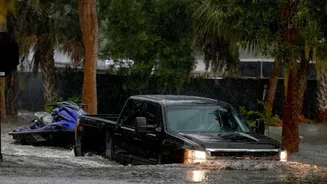
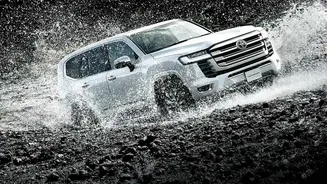
Sometimes, you may have no choice but to navigate a waterlogged street. If you must proceed, do so with extreme caution. Try to gauge the water's depth; as a rule of thumb, avoid entering water that seems deeper than the bottom of your car's bumper. Drive slowly but keep the engine revs higher than usual, typically by staying in a low gear. This helps prevent water from entering the exhaust pipe. It is also recommended to turn off your air conditioning, as the engine's fan can splash water onto sensitive electrical components or into the air intake. After clearing the waterlogged section, gently tap your brakes a few times to dry the brake pads and discs, ensuring they function effectively when you need them next.
What to Do If Your Car Stalls
The single most critical rule if your car stalls in water is to not attempt to restart the engine. Trying to crank the engine can cause water to be sucked into the cylinders, leading to a catastrophic failure known as hydrostatic lock, which can destroy the engine. The correct course of action is to turn off the ignition completely, switch on your hazard lights, and assess the situation. If the water level is rising, your priority is your safety. It is better to abandon the vehicle and move to higher ground. Modern car electronics can fail, potentially locking the doors, so it's best to exit before that becomes a risk. Once you are safe, call for roadside assistance to have your vehicle towed.
Essential Gear for Your Monsoon Kit
Being prepared for the worst can make a massive difference. During the monsoon, it's wise to keep an emergency kit in your car. This should include a powerful torch, a first-aid kit, a tow rope, and an umbrella. Keeping some dry snacks and drinking water is also a good idea, as traffic jams during downpours can be long and unpredictable. A phone charger or a fully charged power bank is essential to ensure you can call for help if needed. For more serious situations, a small hammer to break window glass can be a lifesaver if you are trapped in a flooding vehicle, as can the removable metal prongs of your headrest.