

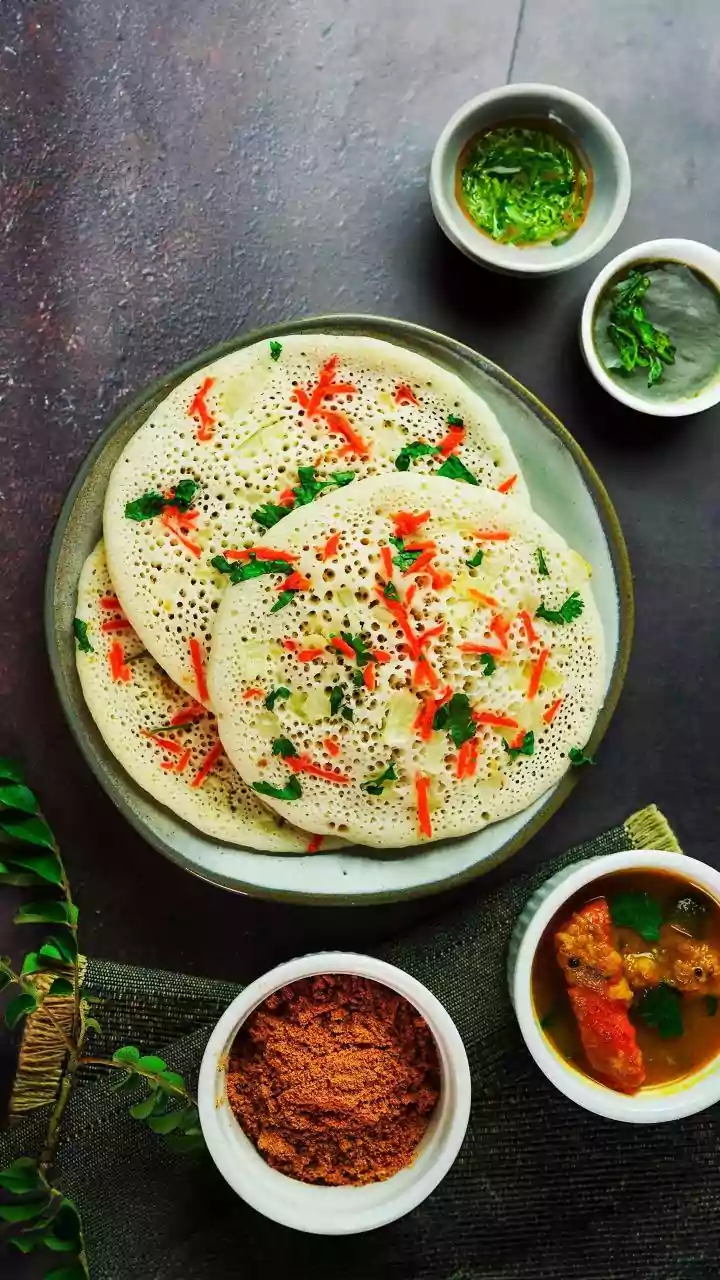
The classic South Indian dosa is a culinary masterpiece. But what happens when this beloved fermented crepe gets a modern, health-conscious makeover? Enter the oats dosa, a creative and nutritious twist that's winning hearts and breakfast tables.
What is an Oats Dosa?
At its
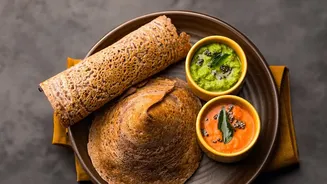
core, an oats dosa swaps out the traditional base of rice and lentils for ground oats. There are two main approaches. The 'instant' version, which is incredibly popular, involves a batter made from powdered oats, often mixed with rice flour and semolina (rava) to achieve a crispy, lacy texture similar to a rava dosa. This version requires no lengthy soaking or fermentation, meaning you can go from a craving to a crisp dosa in about 20 minutes. The other method involves soaking rolled oats along with urad dal, similar to the traditional process but still faster as it bypasses the overnight fermentation. In both cases, the batter is typically seasoned with ingredients like cumin, ginger, green chillies, and curry leaves for that signature savoury flavour.
The Appeal of a Healthier Twist
The primary driver behind the oats dosa's popularity is its health profile. Oats are celebrated for being rich in dietary fibre, particularly a soluble fibre called beta-glucan, which is known to help keep you feeling full for longer. This makes oats dosa an excellent option for weight management and a fulfilling meal. Compared to a traditional rice-based dosa, the oat version is often lower in carbohydrates and has a moderate glycemic index, which can lead to a more gradual rise in blood sugar levels. This quick-to-prepare dish is also easier on the digestive system for many, as some recipes skip the fermentation process entirely.
Taste and Texture: How Does it Compare?
For any purist, the big question is about the taste and texture. An oats dosa does not taste identical to a traditional one, and that’s part of its unique charm. It has a slightly nutty, wholesome flavour from the oats. When made in the instant style with semolina and rice flour, the texture is wonderfully light, crispy, and lacy, much like a rava dosa. It may not have the distinct sour tang that comes from the long fermentation of a classic dosa batter, although adding a bit of curd or yogurt can mimic some of that flavour. It is less about replication and more about creating a new, equally delicious experience that stands on its own merits.
A Trend in Modern Indian Kitchens
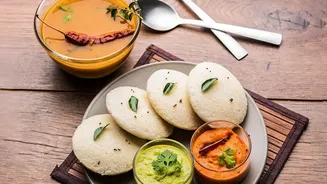
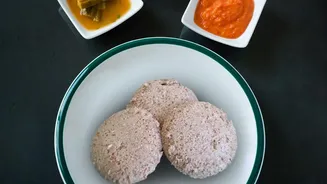
The oats dosa is part of a larger, exciting trend in Indian cuisine: adapting traditional recipes to fit contemporary health goals without sacrificing flavour. For years, many in India associated oats with sweet, milky porridge, a flavour profile that doesn't always align with the nation's savoury breakfast palate. By incorporating oats into familiar formats like dosas, idlis, and upma, home cooks have found a way to harness their nutritional benefits in a culturally resonant way. This innovation allows families to enjoy the comforting flavours of home-cooked meals while embracing ingredients known for their health benefits, from better heart health to sustained energy.
Tips for a Perfect Oats Dosa
Thinking of trying it at home? Success lies in the batter's consistency. For the instant variety, the batter should be thin and watery, almost like buttermilk, to get that crispy, porous texture. It's also important to let the batter rest for at least 15–20 minutes after mixing; this allows the oats and semolina to absorb the water and swell. When cooking, ensure your tawa or skillet is very hot. Instead of spreading the batter in a circle like a traditional dosa, you pour it from the outside in, filling the gaps to create its signature lacy pattern. Be patient and cook on a medium flame until the edges turn golden brown and start to lift from the pan.