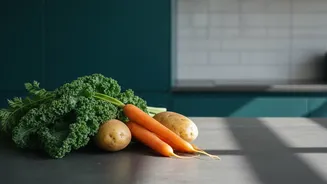








The Allure of the 'Value' Pack
Walking down a supermarket aisle, it’s hard to ignore the appeal of a bulk discount. The price-per-unit is lower, and the idea of being stocked up for weeks feels efficient and savvy. This is no accident. Retailers use psychological triggers to make us feel like
we're getting a fantastic deal. Words like "jumbo," "family pack," and "value size" tap into our desire for abundance and savings. The perception is that we are making a smart financial decision, stretching our rupee further. This feeling of getting more for less can be a powerful motivator, often leading us to purchase larger quantities than we originally intended or realistically need, without considering the practicalities of storage and consumption.
The Hidden Cost of Food Waste
The grim reality is that a significant portion of food purchased in bulk by households ends up as waste. In India, household food waste is a staggering issue. According to reports from the United Nations Environment Programme (UNEP), the average Indian household discards around 55 kg of food annually. This translates to a nationwide loss of over 78 million tonnes per year, valued at thousands of crores. When that half-used jar of sauce grows mould or those extra vegetables wilt in the back of the fridge, the initial savings are completely wiped out. In fact, you've paid to transport and store an item only to throw it away. This waste isn't just a financial loss; it's an environmental burden, contributing to landfills and greenhouse gas emissions.
Know Your Spoilage Culprits
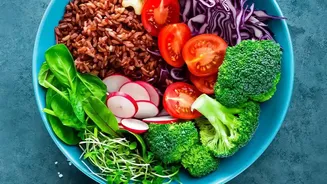
Not all bulk buys are created equal. The biggest mistake is buying perishable items in quantities you can't consume before they spoil. Given India's often hot and humid climate, the shelf life of fresh foods can be short. Key items to be wary of include: Fresh Produce: Berries, leafy greens, and soft vegetables like tomatoes and cucumbers have a very short shelf life. Buying a kilo when you only need 250 grams is a recipe for waste. Dairy and Paneer: Milk, yogurt, and especially paneer should be bought fresh and consumed within a few days. Larger tubs might seem economical but are risky unless you have a large family that consumes them quickly. Bread and Baked Goods: These items stale or mould quickly, especially during the monsoon season. Spices and Flours: While they have a longer shelf life, spices lose their potency and aroma over time. Whole-wheat flour (atta) and other grain flours can go rancid or attract pests if not stored in airtight containers in a cool place. * Oils and Nuts: Cooking oils and nuts can go rancid due to their high fat content, especially when exposed to heat and light.
Smarter Strategies for Shopping
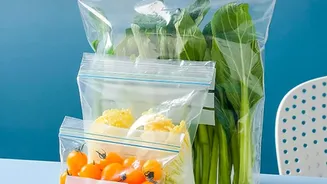
So, how do you balance the desire to save with the need to avoid waste? It's about shifting from being a bulk buyer to a smart shopper. Start by planning your meals for the week. A meal plan creates a precise shopping list, which is your best defence against impulse buys. Before you leave for the store, do a quick audit of your pantry, fridge, and freezer to avoid buying duplicates. When you're at the market, think about your actual needs. If a recipe calls for a small amount of a specific herb, don't buy a huge bunch unless you have plans for the rest. For items you do decide to buy in a larger quantity, proper storage is crucial. Use airtight containers for dry goods, understand what produce needs refrigeration, and use your freezer to extend the life of items like bread or even portions of cooked meals.
When Bulk Buying Makes Sense
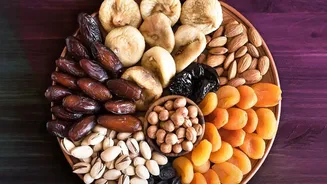
This doesn't mean you should swear off bulk buying entirely. The key is to focus on items that are truly non-perishable or that your household consumes in large volumes consistently. Staples of the Indian kitchen are often excellent candidates for bulk purchase. Items that are generally safe and economical to buy in larger quantities include: Dried Goods: Rice, lentils (dal), and dried beans have a very long shelf life when stored correctly in a cool, dry place. Canned Goods: Items like canned tomatoes or chickpeas are pantry powerhouses. Household Supplies: Things like toilet paper, cleaning supplies, and soaps don't expire and are great candidates for bulk savings. Frozen Foods: If you have the freezer space, frozen vegetables, fruits, or parathas can be a good bulk buy as their shelf-life is significantly extended.