

The Case for Robots: Tireless, Cheap, and Disposable
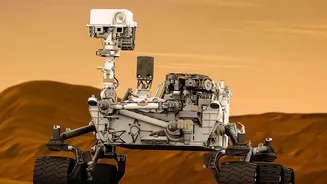
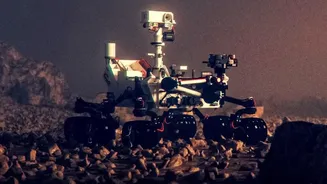
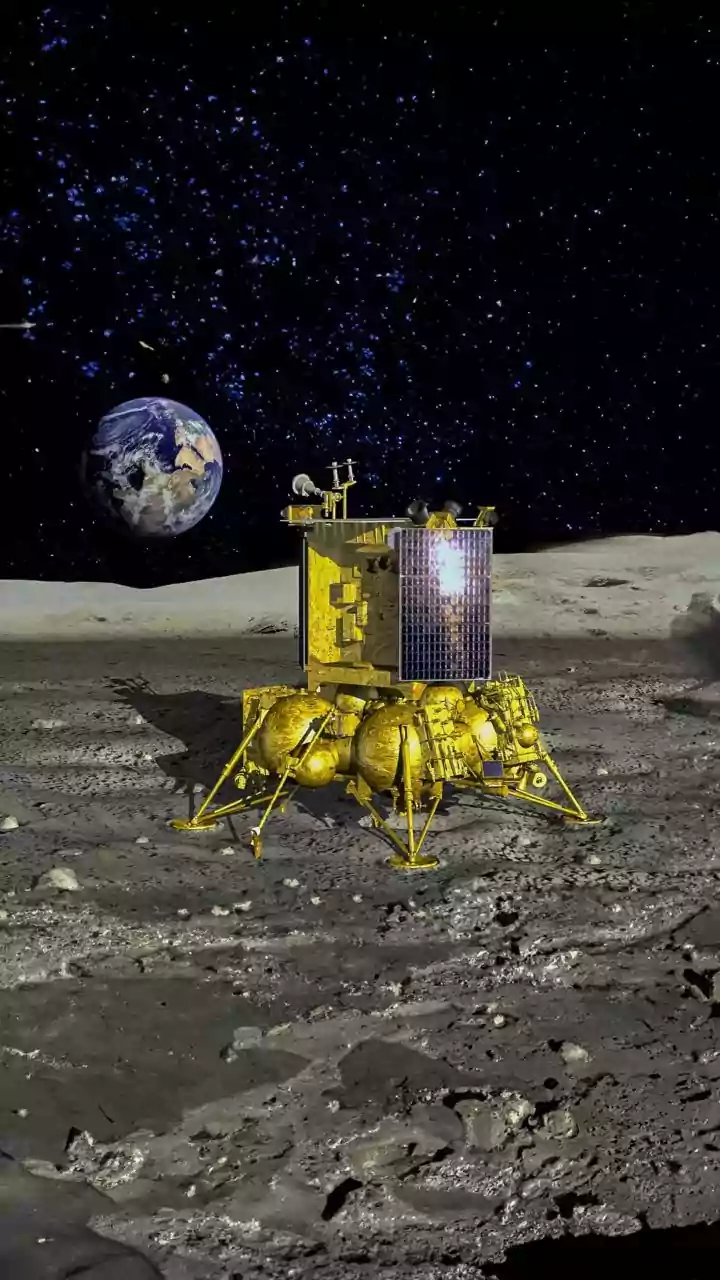
The most compelling argument for robotic exploration is brutally pragmatic: cost and safety. Sending a machine to Mars is vastly cheaper and less complex than sending a human. A rover like Perseverance cost under $3 billion, whereas estimates for a crewed
mission soar into the hundreds of billions. Robots don't need food, water, or a return ticket. They don't require heavy, expensive life support systems or massive amounts of fuel to bring them home. More importantly, they are immune to the hazards of deep space—crippling radiation, the psychological toll of isolation, and the physiological decay from microgravity. If a rover gets stuck or its systems fail, the loss is financial and scientific. For an astronaut, the same failure is fatal. Robots are our tireless, expendable pioneers, scouting ahead to map the terrain, analyze the atmosphere, and identify potential resources and risks long before humans dare to follow.
The Human Advantage: Speed, Intuition, and Adaptability
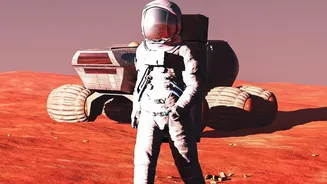
Despite their strengths, robots are slow and deliberate. A rover like Curiosity moves at a crawl, covering in years what a human could explore in days. Every action is commanded from Earth, with communication delays of up to 20 minutes each way, turning simple decisions into lengthy processes. In contrast, a human geologist on Mars would be a force of nature. Astronauts can make instant decisions, adapt to unexpected discoveries, and navigate complex terrain that would trap a robot. They possess an unmatched ability for creative problem-solving and intuition. As seen during the Apollo missions, astronauts can spot scientifically valuable opportunities in real-time—a feat of judgment that current AI cannot replicate. A human can dig a trench in minutes that a robotic probe might struggle with for months, drastically accelerating the pace of discovery.
The Unseen Risks of a Human Mission
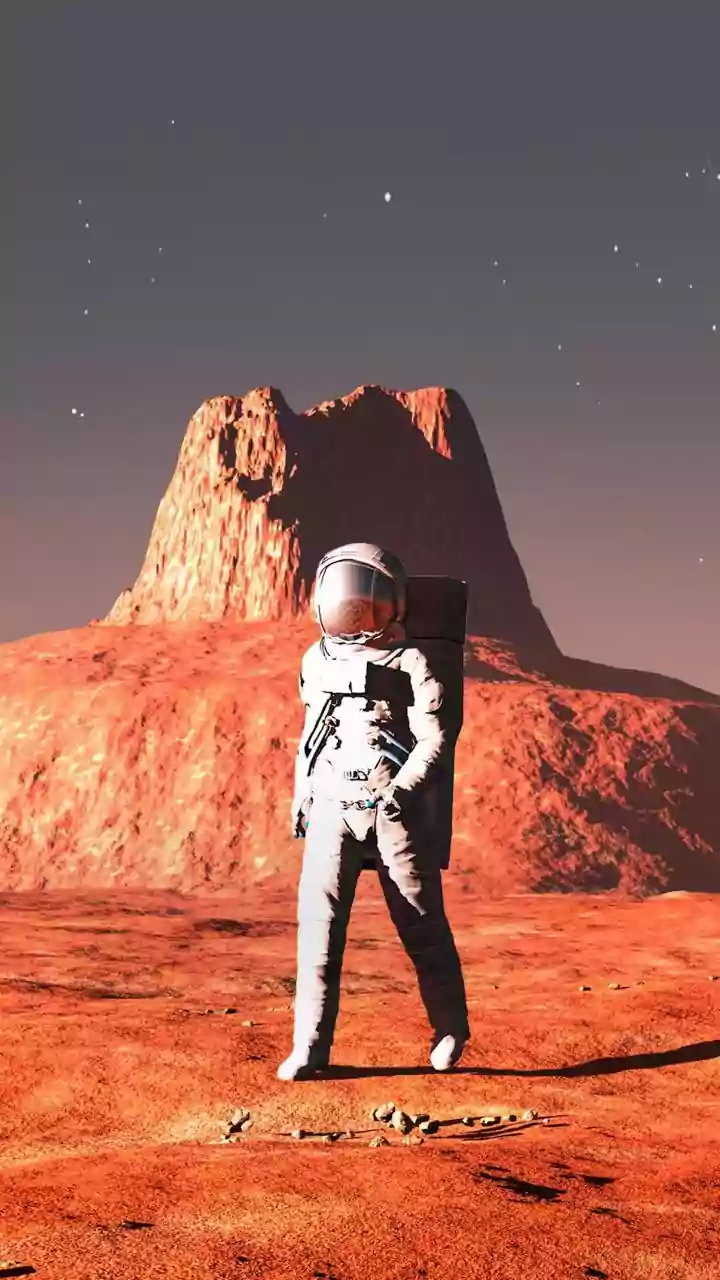
The challenges of sending humans to Mars extend far beyond the launchpad. NASA identifies five major hazards: space radiation, isolation and confinement, distance from Earth, gravity changes, and hostile environments. A round trip could take nearly three years, during which astronauts would be exposed to cosmic radiation that increases cancer risk. They would have to endure prolonged confinement in a small space, a psychological pressure cooker that requires intense training to manage. On Mars itself, they would live and work in just three-eighths of Earth's gravity, with unknown long-term effects on the body. And with help being millions of miles and months away, any medical emergency or equipment failure would have to be handled autonomously by the crew.
Beyond the Binary: A Collaborative Future
Ultimately, the debate is not a simple 'either/or' choice. The most effective—and most likely—future of Mars exploration involves a deep and symbiotic partnership between humans and robots. The current strategy already uses robots as essential precursors, mapping the planet and preparing the way for human arrival. Future scenarios envision an even deeper integration. Astronauts on Mars will likely command fleets of robotic assistants. Humanoid robots could perform dangerous or repetitive tasks like construction, maintenance, and scouting hazardous terrain, leaving the astronauts to focus on high-level science and exploration. Robotic rovers could serve as 'mules' to carry equipment on long traverses, while aerial drones provide reconnaissance. This model amplifies human effectiveness, combining the resilience and precision of machines with the ingenuity and adaptability of human explorers. It’s a vision where robots don't replace humans, but empower them to go further and learn more than ever before.