







The Peace Lily: An Elegant Dehumidifier
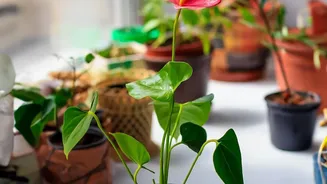
The Peace Lily is more than just a beautiful plant with its glossy dark green leaves and elegant white spathes; it's a functional powerhouse. Native to tropical rainforests, it naturally thrives in and helps regulate humid environments. This plant absorbs
moisture from the air through its large leaves, helping to reduce ambient humidity. Studies have also shown that Peace Lilies can significantly reduce airborne mould spores, which often proliferate in damp conditions. They are relatively easy to care for, preferring bright, indirect light and consistently moist—but not waterlogged—soil. This makes them an excellent choice for living rooms and bedrooms where you want both aesthetic appeal and a more comfortable atmosphere during the rains.
The Boston Fern: A Lush Moisture Magnet
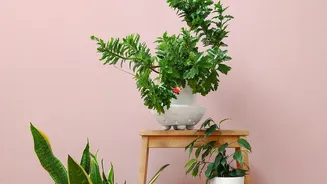
Boston Ferns are classic houseplants known for their lush, feathery fronds that create a tropical feel. These plants are humidity lovers and work as excellent natural dehumidifiers. A Boston Fern absorbs moisture from the air through its leaves, a process that helps its delicate fronds stay green and healthy. In a humid room, they can work overtime to pull excess water from the atmosphere. Beyond controlling humidity, they are also celebrated for their ability to purify the air by removing common toxins like formaldehyde and xylene. To keep a Boston Fern happy, place it in a spot with bright, indirect light and keep its soil consistently damp. It's a perfect pick for a bathroom or a kitchen corner that gets plenty of steam.
The Snake Plant: Hardy and Effective
Also known as Mother-in-Law's Tongue, the Snake Plant is renowned for being incredibly resilient and low-maintenance. While many plants release moisture, the Snake Plant can help regulate indoor humidity levels. Its ability to thrive in a wide range of conditions, from low light to bright, indirect light, makes it suitable for almost any room. These plants are particularly good at absorbing toxins and releasing oxygen at night, which can contribute to better air quality while you sleep. By helping to moderate humidity, snake plants contribute to an environment with fewer airborne irritants like mould and dust mites. Their striking, upright leaves add a modern touch to any decor, making them a stylish and practical choice for combating monsoon dampness.
The Spider Plant: A Resilient Air Purifier
The Spider Plant is one of the most adaptable and easy-to-grow houseplants, making it perfect for beginners. It is highly effective at absorbing moisture from the air and is known for its impressive air-purifying qualities, removing up to 90% of certain toxins within two days. These plants thrive in humid conditions, making them ideal for monsoon season. They prefer bright, indirect light but are quite forgiving. One of their most charming features is the production of 'spiderettes,' or baby plants, which can be easily repotted, allowing you to expand your collection of natural dehumidifiers for free. Their arching leaves bring a sense of life and movement to a space, all while working to keep the air fresher.
The English Ivy: A Prolific Climber
English Ivy is a beautiful, fast-growing vine that is well-known for its ability to absorb moisture. Its dense foliage is excellent at drawing in airborne water, which is why it thrives in damp, shady areas outdoors and can do the same indoors. Some studies have highlighted its remarkable efficiency at removing airborne mould. As a houseplant, it's perfect for hanging baskets or placed on a high shelf where its vines can trail down elegantly. It requires consistently moist soil and prefers moderate to high humidity, making it well-suited for the rainy season. By keeping an English Ivy, you not only add a touch of classic greenery but also introduce an effective, natural tool against indoor dampness.
The Science of Clay Absorbers
Beyond plants, another simple and eco-friendly tool in the fight against humidity is clay. Natural, unglazed clay, such as terracotta, is a porous material. This porous structure gives it a high surface area with countless tiny holes that naturally attract and trap water molecules from the air through a process called adsorption. Think of how a terracotta pot feels cool and damp in humid weather—it's actively pulling moisture from its surroundings. You can strategically place unglazed clay or terracotta decorative items, bowls, or even small desiccant packets made of bentonite clay in closets, bathrooms, or basements. While they won't have the dramatic effect of an electric dehumidifier, they serve as excellent passive moisture absorbers, helping to prevent musty smells and the growth of mould in enclosed spaces. They are also cost-effective and can often be 'recharged' by drying them in an oven at a low temperature.