





What the New Rules Actually Do
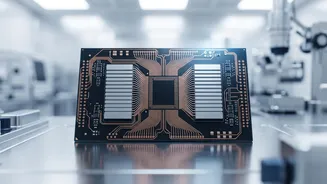
The Commerce Department's Bureau of Industry and Security (BIS) released an interim final rule on November 16 that closes a significant loophole in its export controls. Previously, while companies in China were barred from directly buying the most powerful
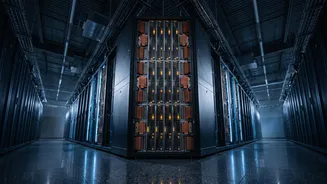
American AI chips from companies like Nvidia and AMD, they could still access that computing power by renting it from data centers located in third countries. The new rule targets this 'remote access'. It requires a license for any data center, regardless of its location worldwide, if it provides a significant volume of computing power to companies headquartered in China, Russia, or other restricted nations. This essentially extends US control beyond the physical chip sale to how that chip is used anywhere in the world.
Targeting New Diversion Hubs
In addition to the remote access controls, the rule names five specific countries—Indonesia, Malaysia, Singapore, Thailand, and Brazil—as presenting a 'higher-than-normal risk of diversion'. Consequently, a license is now required to export advanced AI chips to these nations, even if the end user isn't Chinese. This measure is designed to stop the creation of intermediary hubs where chips could be bought and then smuggled or redirected to China. There is an exemption for exports to ultimate consignees or end users that are US-headquartered companies, provided they meet reporting requirements.
Why Is This Happening Now?
The US government has stated its goal is to safeguard American technology and prevent it from being used in ways that threaten national security. Officials have been concerned that access to vast computing power could accelerate the development of advanced military applications and surveillance technologies by strategic rivals. The rules aim to close loopholes that were being actively exploited. Chinese firms had been successfully circumventing earlier bans by purchasing computing services from data centers in the Middle East and Southeast Asia. The new regulations are a direct response to this strategy, shifting the focus from controlling chip sales to controlling access to computing power itself.
Impact on the Global Tech Industry
The effects of these rules are immediate and far-reaching. American chipmakers like Nvidia now face a more complex compliance landscape, as do global cloud providers and data center operators who must now police who is using their services. For Chinese tech giants, the impact is direct. Tencent's president, Martin Lau, admitted that the new curbs will set back AI development in China in the short term, likely delaying the creation of their next-generation AI models. Alibaba has also expressed concern that the rules could affect its services and long-term capacity goals. While the measures are intended to slow down China's AI progress, some analysts and investors believe it will only accelerate Beijing's push for technological self-sufficiency, boosting its domestic chip industry.
A Broader Strategic Shift
This latest move represents a significant evolution in US technology policy. The focus has moved beyond simply controlling physical hardware exports to regulating the use of that hardware on a global scale. The rules were released just days after the US and nine other nations, including Singapore, signed the 'San Francisco Declaration', a pact to safeguard AI supply chains. However, the unilateral nature of the US export controls highlights a persistent tension between protecting national security interests and maintaining a collaborative global tech ecosystem. The long-term consequences of this increasingly fragmented landscape are yet to be fully understood, but it's clear the global contest for AI supremacy has entered a new and more complex phase.