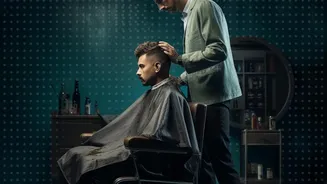






The undercut remains one of the sharpest haircuts a man can get, but its success hinges on the right styling product. For too long, shiny gel was the default, often creating a stiff, dated look. A modern undercut deserves a modern tool.
Understanding the Undercut
The undercut is
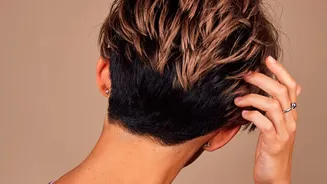
a high-contrast style defined by short, faded, or clipped back and sides with a longer length of hair on top. This dramatic difference is what gives the cut its edge, but it also means that all the styling focus is on that top section. How you shape, texturise, and finish that hair determines whether the look is a sharp, contemporary statement or a throwback to another era. The goal for most is a style that looks intentional yet effortless, with visible texture and movement. This is where the choice between styling clay and gel becomes critical.
The Case Against Shiny Gel
Hair gel has been a bathroom staple for decades, primarily because it offers a strong, fast hold. Gels work by coating the hair and drying into a rigid film, locking strands in place. While effective for creating spikes or a wet, slicked-back look, this very property is what makes it less suitable for a textured undercut. The high shine can make hair appear greasy or plastic-like, while the crunchy, stiff finish prevents any natural movement. Running your hands through gelled hair is often impossible without causing the product to flake. Furthermore, many traditional gels contain drying alcohols that can strip moisture, leaving hair brittle and irritating the scalp over time.
The Rise of Matte Styling Clay
Matte styling clay is the modern answer for men seeking control without the artificial shine. These products are typically formulated with natural clays like kaolin or bentonite, which absorb excess oil from the hair and scalp. This not only creates a true matte finish but also adds a gritty texture that helps build volume and makes fine hair appear thicker. Unlike gel, which glues hair together, clay separates strands, enhancing the layers of a cut and creating definition. It provides a strong but pliable hold, meaning the hair remains reworkable throughout the day. You can reshape your style with just your fingers, offering a flexibility that gel simply can't match.
Clay vs. Gel: Head-to-Head
When placed side-by-side, the advantages of clay for a textured undercut become clear. Gel offers a shiny, wet finish, whereas clay provides a natural, matte look. Gel creates a rigid, helmet-like hold; clay gives a flexible, touchable hold. Gel can clump hair together, while clay is designed specifically to add texture and separation. For a style like the undercut, where the top needs to look full, textured, and effortlessly cool, clay is the superior tool. It delivers a controlled finish that doesn't scream 'I'm wearing product', which is the hallmark of sophisticated, modern grooming.
How to Style Your Undercut with Clay
Achieving the perfect textured look with clay is straightforward. Start with completely dry or towel-dried hair. Scrape a small, pea-sized amount of clay from the container with your fingernail. The key is to warm the product thoroughly by rubbing your palms together for 10-15 seconds until it becomes soft and nearly invisible. Begin by working the product into the roots of your hair, especially at the crown and front, to build volume. Once the foundation is set, use the remaining product on your palms to lightly coat the ends, twisting and pinching small sections to create definition and that desired piecey texture. You can use a blow dryer before application to create extra volume for the clay to lock in.