







Why Rain Brings Railways to a Crawl
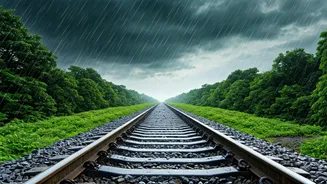
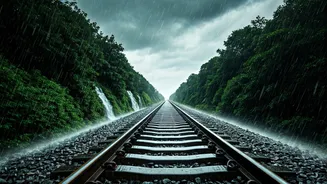
It’s more than just a bit of water. Heavy monsoon rains create a perfect storm of problems for the Indian Railways network. The most immediate issue is waterlogging. When tracks are submerged, especially in low-lying areas, trains must slow down or stop
completely for safety. Poor visibility from intense rain or fog forces loco pilots to reduce speed, adding to delays. Furthermore, moisture can wreak havoc on the complex signalling systems that manage train traffic, causing failures that bring everything to a standstill. In hilly regions, particularly along scenic routes like the Konkan Railway or the ghat sections near Mumbai, there's the added danger of landslides and boulders falling onto the tracks, which can block lines for hours or even days.
The Domino Effect of a Single Delay
India's railway network is one of the busiest in the world, with thousands of trains sharing a finite number of tracks. It operates like a complex, interconnected web. When one train is delayed due to waterlogging or a signal failure, it doesn't just affect its own schedule. It occupies a track or a platform longer than planned, forcing subsequent trains on the same route to slow down or wait. This creates a cascading or domino effect, where a single delay in one part of the country can ripple outwards, causing disruptions to services hundreds of kilometres away. This is why a short halt can sometimes turn into a multi-hour ordeal as the system struggles to clear the backlog.
Monsoon Hotspots: Where to Be Extra Cautious
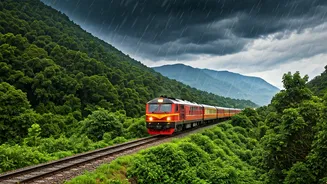
While rain can cause delays anywhere, some regions are notoriously prone to severe disruptions. The Konkan Railway route, running along the western coast from Mumbai to Goa, is famous for its breathtaking monsoon views but also for delays due to its hilly terrain and numerous bridges. The Central Railway line in Mumbai frequently faces issues with waterlogging in low-lying areas. Similarly, regions like Bihar, Assam, and parts of West Bengal that are susceptible to major flooding often experience widespread cancellations and diversions during peak monsoon. As seen in early July 2026, heavy rains in and around Mumbai have led to numerous cancellations, diversions, and significant delays.
Your Monsoon Travel Toolkit
A little preparation goes a long way in managing rain-related travel woes. Before and during your trip, make these a habit:
Stay Updated: Constantly check your train's live status using the NTES app or other reliable platforms. Keep an eye on weather forecasts and official railway announcements, often posted on social media.
Pack for Delays: Assume you might be on the train longer than expected. Carry extra drinking water, non-perishable snacks, a fully charged power bank, and any essential medicines.
Travel Light and Waterproof: Use waterproof bags or covers to protect your luggage, documents, and electronics. Wear footwear with good grip for slippery station platforms.
Build a Buffer: If you have a connecting journey or an important event, plan to arrive at your destination a day early. Don't book appointments or onward travel with tight schedules.
Know Your Rights: Refunds and Cancellations
Understanding the rules can save you money and stress. If Indian Railways cancels your train, you are entitled to a full, automatic refund for e-tickets. For tickets bought at a counter, you'll need to surrender the ticket at a station within three days of the train's scheduled departure to claim the refund. If your train is running late by more than three hours, you also have the right to cancel your ticket and receive a full refund. To do this for an e-ticket, you must file a Ticket Deposit Receipt (TDR) online before the train's actual departure. It’s important not to just cancel the ticket yourself through the normal process, as that might incur standard cancellation fees.