

A Sensory Break from a Digital World
Our daily lives are dominated by the cold, smooth glass of screens. This constant digital interaction has created a subconscious craving for a multi-sensory physical environment. Interior design is responding by moving away from flat, impersonal surfaces
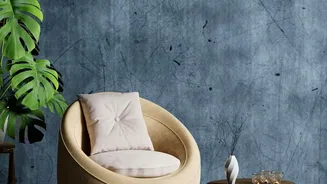
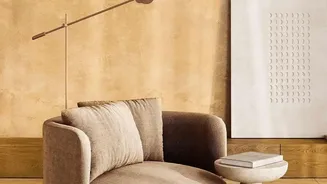
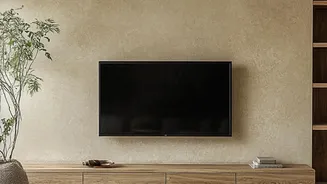
towards those that engage our sense of touch. Textured interiors offer a necessary counterbalance, providing a tactile richness that screens cannot. Designers are increasingly using materials like limewash, plaster, raw wood, and stone not just as accents, but as foundational elements that make a home feel more grounded and real.
The Psychology of Comfort and Safety
There's a deep psychological reason why we're drawn to texture. Soft, varied surfaces can evoke feelings of warmth, comfort, and safety. Think of a plush boucle sofa, a chunky knit throw, or a soft rug underfoot; these materials are inherently comforting and make us feel relaxed. Research in environmental psychology shows that textural variety can reduce mental fatigue and improve focus. The subtle irregularities in natural materials catch light in dynamic ways, making a space feel alive and soothing throughout the day. This move towards tactile design is a move towards creating homes that function as genuine sanctuaries.
Embracing Nature with Biophilic Design
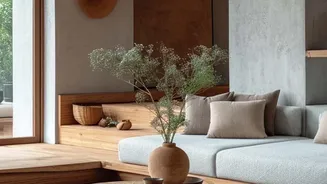
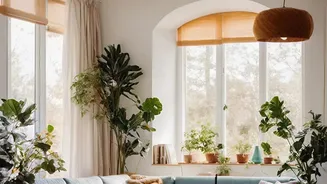
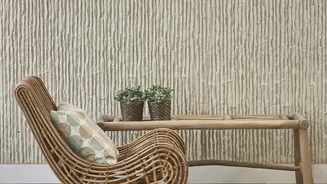
The trend towards texture is deeply intertwined with biophilic design—the practice of connecting people with nature within built environments. Using natural materials like wood, stone, rattan, and linen brings the calming, restorative qualities of the outdoors inside. These materials are not just visually appealing; their textures mimic what we find in nature, tapping into our innate connection to the natural world. This creates spaces that are not only beautiful but also support our mental and emotional well-being by reducing stress and fostering a sense of peace.
A Modern Take on Indian Traditions
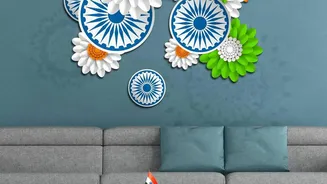
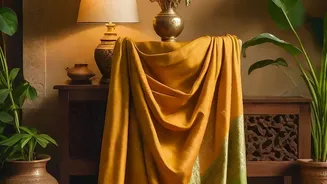
For Indian homes, this global trend feels wonderfully familiar. Traditional Indian design has always celebrated rich, textured textiles and natural materials. From the intricate weaves of handloom fabrics like khadi and silk to the earthy coolness of terracotta and the warmth of carved wood, texture is embedded in our cultural DNA. Today, these timeless elements are being reinterpreted in modern settings. A minimalist living room can be instantly warmed by Ikat cushion covers or a hand-embroidered Kantha throw. Using traditional textiles and crafts not only adds depth and authenticity to a space but also supports local artisans and keeps ancient traditions alive.
How to Bring Texture Home
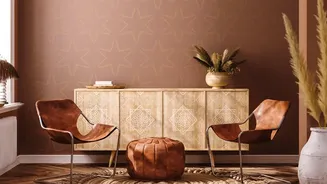
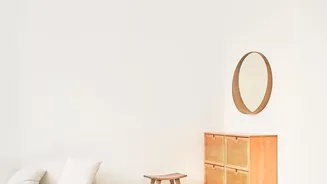
Incorporating texture doesn't require a complete overhaul. The key is to layer different materials to create a space that feels curated and personal. Start by mixing hard and soft textures: pair a smooth leather sofa with a woven jute rug. Introduce a variety of fabrics through cushions, curtains, and throws in materials like linen, cotton, velvet, or wool. Don't forget the walls and other surfaces. A textured wallpaper, a piece of fabric art, or even fluted wood panels can add immense character without creating clutter. The goal is to create a balanced, cohesive look that invites you to touch and feel your surroundings.