




The Science of a 'Sticky' Situation
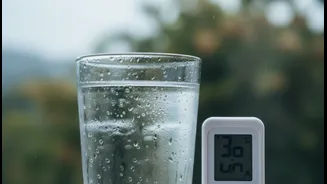
We often blame the heat for summer fatigue, but humidity is the silent partner in crime. Humidity is the measure of water vapour in the air. When it's high, the air is already saturated with moisture. This is crucial because our body's primary cooling
system is sweating. As sweat evaporates from our skin, it takes heat with it, cooling us down. But in high humidity, this evaporation process slows down dramatically or stops altogether. The sweat just sits on your skin, leaving you feeling sticky and getting you no closer to cooling off.
Your Body Working Overtime
When your natural cooling mechanism is compromised, your body has to find another way to beat the heat. It starts working harder, forcing your cardiovascular system into overdrive. Your heart rate increases as it pumps more blood to your skin's surface in an attempt to release heat. This increased workload is a major reason you feel so drained and lethargic. Your body is expending significant energy just trying to maintain a stable internal temperature, a process called thermoregulation. This leaves less energy for everything else, from physical activity to simple concentration.
The Dehydration Trap
It’s a common misconception that if you’re not seeing sweat evaporate, you’re not losing much fluid. In reality, your body continues to produce sweat in a desperate attempt to cool down, leading to significant fluid and electrolyte loss. This can quickly lead to dehydration, which is a primary cause of fatigue, dizziness, and headaches. The tricky part is that dehydration can set in even before you start to feel thirsty, especially in humid conditions. This silent fluid loss compounds the fatigue caused by your body working so hard to regulate its temperature.
Beyond Tiredness: When It Gets Dangerous
While feeling tired is the most common symptom, the combination of heat and high humidity can lead to more serious health issues. When your body can no longer cool itself effectively, you're at risk for heat-related illnesses. The first stage is often heat exhaustion, with symptoms like heavy sweating, weakness, muscle cramps, nausea, and dizziness. If not addressed by moving to a cool place and rehydrating, it can progress to heatstroke, a life-threatening emergency where the body's core temperature rises to dangerous levels. Symptoms of heatstroke include confusion, a rapid heartbeat, and a change in sweating patterns, and require immediate medical attention.
How to Fight the Fatigue and Stay Energised
The good news is that you can take proactive steps to combat humidity-induced fatigue. Staying hydrated is non-negotiable; drink plenty of water throughout the day, even before you feel thirsty. Opt for lightweight, loose-fitting, and light-coloured clothing made from breathable fabrics like cotton to help air circulate. Plan any strenuous outdoor activities for cooler parts of the day, like early morning or late evening. Inside, using air conditioners and dehumidifiers can create a much more comfortable and less draining environment. Finally, listen to your body. If you feel tired or sluggish, take a break in a cool, shaded place. Don't push through the fatigue, as it's your body's signal that it's under stress.