





The Post-Pandemic Fitness Hangover
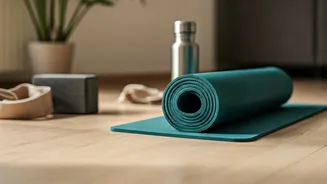
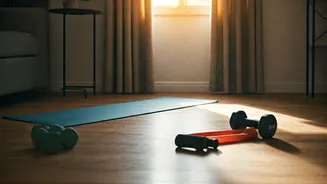
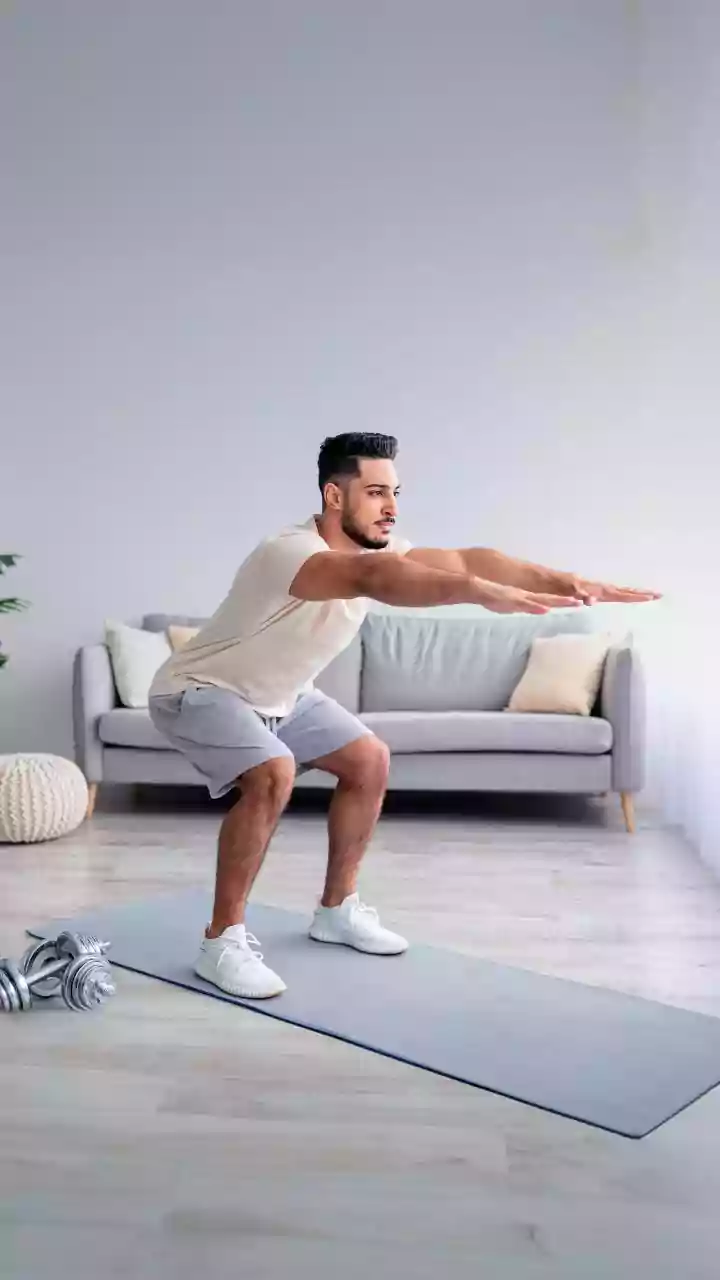
The great at-home fitness migration began as a necessity during pandemic lockdowns, but it has since evolved into a preference. Millions of Americans invested in yoga mats, resistance bands, and a pair of adjustable dumbbells, creating personal fitness sanctuaries
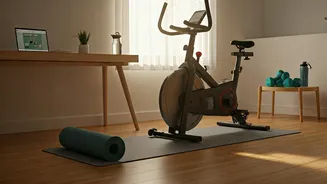
out of spare corners and living rooms. When gyms reopened, many realized they didn't miss the commute, the crowds, or the monthly fees. The convenience and control offered by home workouts created a sticky habit. This wasn't just about avoiding germs; it was about reclaiming time and integrating movement into daily life on one's own terms, turning a temporary solution into a permanent lifestyle choice for a significant portion of the population.
Ditching 'Gymtimidation' for Good
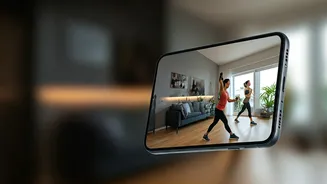
A major driver of the gym-free movement is the desire to escape what many call 'gymtimidation'—the feeling of being judged, watched, or simply out of place in a traditional gym environment. The weight room can feel dominated by grunting experts, and group classes can seem unwelcoming to newcomers. Working out at home eliminates this social pressure entirely. It creates a private, judgment-free zone where you can try a new move without fear of looking foolish, wear whatever you want, and go at your own pace. This psychological comfort is a powerful motivator, empowering people who previously felt excluded from fitness culture to finally get started and stay consistent.
The Rise of the Digital Trainer
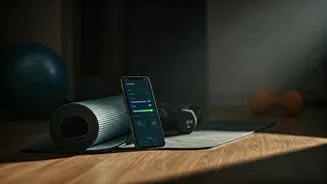
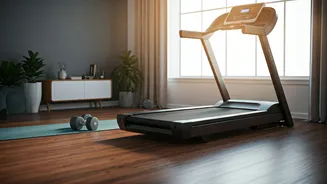
You no longer need a pricey personal trainer to get expert guidance. The internet is flooded with high-quality, free, or low-cost fitness content. YouTube channels led by charismatic and qualified instructors offer thousands of follow-along workouts, from 10-minute HIIT sessions to hour-long yoga flows. Fitness apps provide structured programs and progress tracking for a fraction of the cost of a gym membership. On TikTok and Instagram, trainers and enthusiasts share quick tips, workout inspiration, and viral challenges like the '12-3-30' treadmill routine, making fitness feel more accessible, community-driven, and fun than ever before. This democratization of expertise has put effective, guided fitness within everyone's reach.
It’s a Budget-Friendly Revolution
In an era of rising costs, the economic argument for gym-free fitness is undeniable. The average gym membership in the U.S. can cost anywhere from $40 to $70 per month, not including initiation fees or specialized classes. Over a year, that adds up to hundreds of dollars. In contrast, a one-time investment in basic home equipment like resistance bands ($20) and a good mat ($30) can provide the foundation for a huge variety of effective workouts. Coupled with the abundance of free online content, the cost barrier to getting fit has been dramatically lowered. For many, redirecting their former gym budget toward other financial goals is a major win.
From 'Beast Mode' to 'Cozy Cardio'
Perhaps the most telling aspect of this viral trend is the shift in what 'counts' as a workout. The old 'go hard or go home' mentality is being replaced by a more gentle, sustainable approach. Trends like 'cozy cardio'—where users hop on a walking pad while watching TV or listening to a podcast—have exploded in popularity. These activities prioritize consistency and enjoyment over intensity and suffering. The focus is on movement, not punishment. This reframing makes fitness feel less like a chore and more like a form of self-care, encouraging a healthier, long-term relationship with physical activity that fits seamlessly into a person's life.