






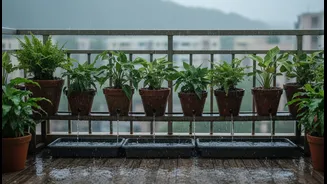



Beyond the Blooms: What is a Sensory Garden?
At its heart, a sensory garden is an area intentionally designed to stimulate our senses of sight, smell, sound, touch, and taste. It’s more than just a collection of beautiful plants; it's an interactive environment that invites you to slow down and connect
with nature on a deeper level. These gardens can be therapeutic, educational, or simply a peaceful retreat. They are often created to be accessible for everyone, including children and those with sensory sensitivities or mobility challenges, making thoughtful design paramount. The goal is to encourage visitors to look closely, inhale a fragrance, listen to the rustle of leaves, and reach out and touch the different textures the garden offers.
Giving Your Senses Room: The Path for Air
One of the most common mistakes in garden design is overcrowding. A sensory garden, in particular, needs space. This is where the “path for air” comes in. It refers to creating literal and figurative breathing room within your garden. Well-planned pathways that are wide and uncluttered allow air to circulate, which is crucial for carrying the scent of fragrant plants like jasmine, lavender, or motia. This creates pockets of aroma that you walk into and out of, making the experience more dynamic. Spacing also provides visual relief, preventing the garden from feeling overwhelming and allowing each plant or feature to be appreciated individually. Winding paths that gently curve can create a sense of discovery, as the entire garden is not visible at once, encouraging exploration.
A Hands-On Journey: The Path for Hands
The “path for hands” is about bringing the tactile experience to the forefront of the garden journey. Too often, interesting textures are confined to garden beds, out of easy reach. The key is to design your pathways to encourage touch along the way. This can be achieved by planting soft, fuzzy, or uniquely textured plants right at the edge of walkways. Think of soft lamb's ear, the feathery foliage of ferns, or the interesting bark of a tree planted near the path. You can also use different materials for the path itself—smooth flagstones, crunchy gravel, or textured wood slices can provide a changing tactile experience underfoot. For accessibility, raised beds along pathways allow those in wheelchairs or with difficulty bending to easily interact with plants.
Designing for Air and Scent
To create effective 'air paths', start with the walkway itself. For general comfort and accessibility, paths should ideally be at least 1.2 metres wide. This allows for easy movement and for two people to walk side-by-side. Consider planting fragrant shrubs or climbers like raat ki rani (night-blooming jasmine) where the wind will carry their scent towards a seating area. Use taller, rustling plants like ornamental grasses to create sound and guide airflow. You can also create small, open 'keyhole' areas off the main path with a bench, allowing a person to sit and be completely surrounded by the sights and smells of a specific garden section. The contrast between these enclosed nooks and the open paths enhances the sensory journey.
Crafting a Tactile Route
Building a 'hand path' involves placing touchable elements within arm's reach of the walkway. Line your paths with plants known for their texture. In an Indian climate, consider the soft leaves of Tulsi (Holy Basil) or the velvety feel of some succulents. Don't limit texture to plants alone. The path surface can be a sensory experience; a section of smooth river stones can transition to a patch of fine gravel, creating different sounds and feelings underfoot. Edging pathways with low, smooth stones or incorporating a handrail made from textured wood also invites touch. The idea is to make the journey itself as interactive as the destinations within the garden.