

In a major nod to one of India's most treasured cities, National Geographic has placed Jaipur on its coveted travel list for 2027. This recognition cements the Pink City's status as a world-class destination for culture, history, and artistry.
A Well-Deserved Global Spotlight
For those
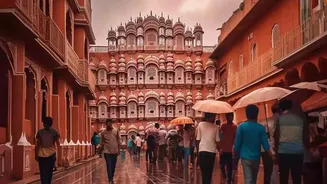
who have wandered its rose-tinted streets, this honour comes as no surprise. Lists like National Geographic's highlight destinations that offer extraordinary cultural experiences, and Jaipur delivers this in abundance. The recognition serves as a global affirmation of the city's unique blend of royal grandeur and living heritage. Founded in 1727 by the visionary Maharaja Sawai Jai Singh II, Jaipur was one of India's first planned cities, designed on a grid system based on ancient architectural principles. This thoughtful urban design, which was granted UNESCO World Heritage status in 2019, created a harmonious city that continues to captivate architects, historians, and travellers alike.
The City of Architectural Marvels
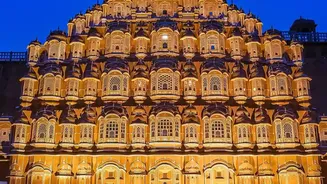
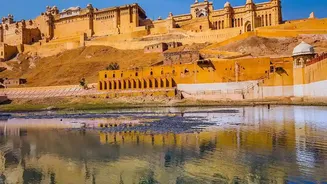
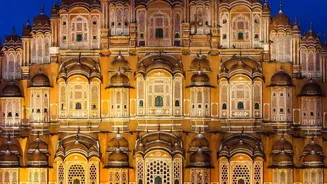
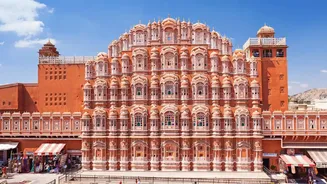
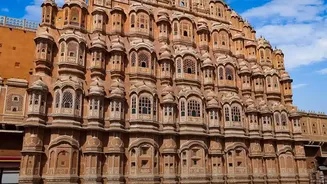
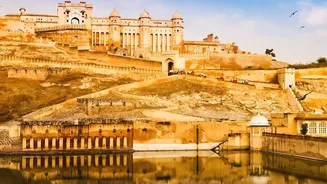
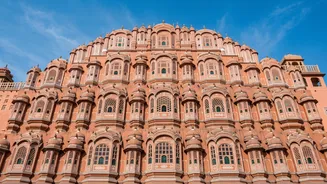
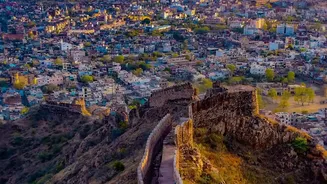
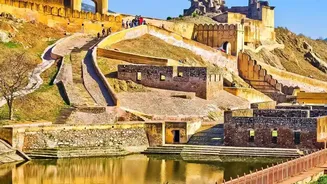
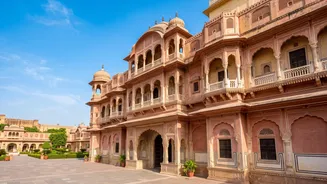
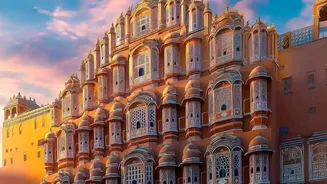
Jaipur's landscape is a breathtaking gallery of architectural wonders, each telling a story of its regal past. The most iconic of these is the Hawa Mahal, or 'Palace of Winds', with its intricate five-story façade of 953 latticed windows, designed to allow royal women to observe street festivities unseen. A short journey away lies the magnificent Amer Fort, a sprawling sandstone and marble palace perched on a hilltop, offering panoramic views and a glimpse into the opulent lives of Rajput rulers. At the heart of the old city, the City Palace complex remains the residence of the royal family, showcasing a stunning fusion of Rajput and Mughal design. Visitors can also marvel at Jantar Mantar, an 18th-century astronomical observatory and a UNESCO World Heritage site in its own right, filled with colossal instruments used to track celestial movements.
A Living Museum of Arts and Crafts
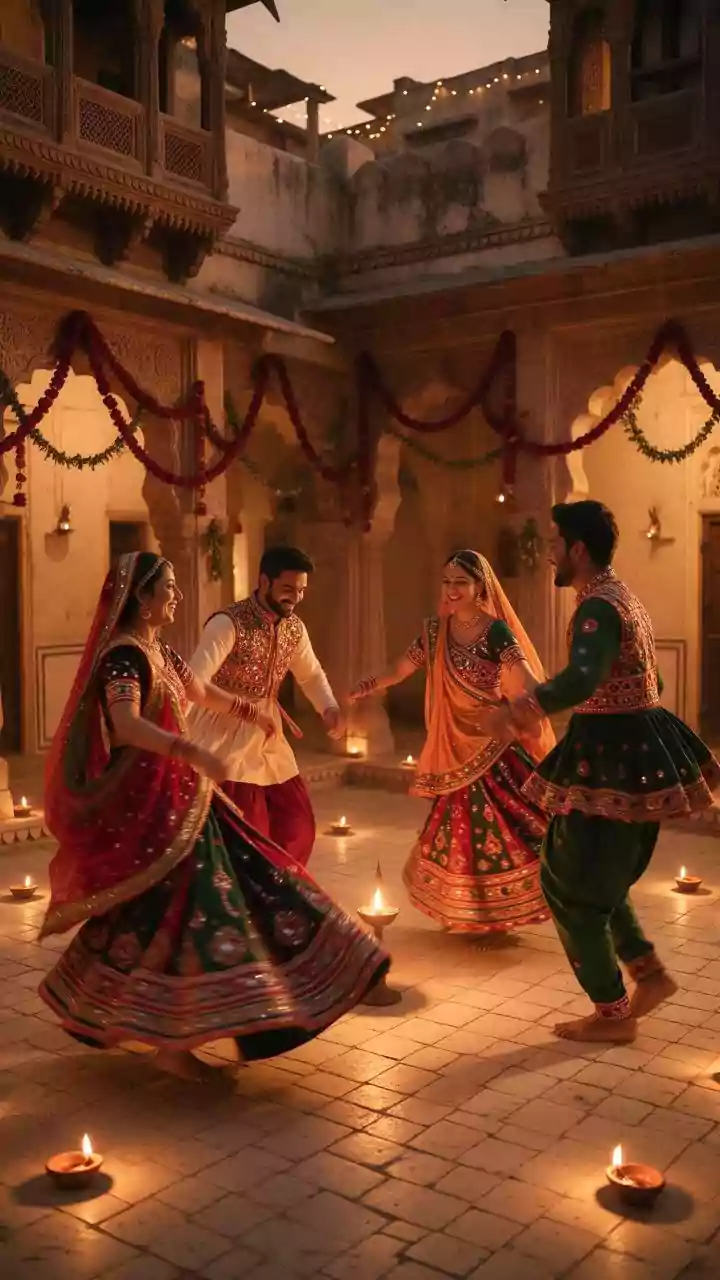
Beyond its monuments, Jaipur's soul is found in its vibrant, living traditions of craftsmanship. For centuries, artisans have passed down skills that are still practised in the city's bustling bazaars. The Johari and Bapu Bazaars are treasure troves of handcrafted goods, from the famous blue pottery, made from quartz stone powder, to exquisite Meenakari enamel work and Kundan jewellery. The city is also a global hub for block printing, where skilled hands press carved wooden blocks onto fabric to create intricate patterns. This dedication to artistry is not just a relic of the past; it is a thriving part of Jaipur's economy and cultural identity, with each handmade piece telling a story of heritage and skill.
Where Tradition Meets Modernity
While deeply rooted in history, Jaipur is not a city frozen in time. It is a dynamic urban centre where ancient traditions blend seamlessly with contemporary life. Heritage havelis have been transformed into chic boutique hotels, and modern cafes sit comfortably alongside traditional eateries serving delicious Rajasthani cuisine like Dal Baati Churma. The city's cultural calendar is packed with world-renowned events, most notably the Jaipur Literature Festival, the largest free literary festival on the planet, which draws authors and intellectuals from across the globe. This fusion of old and new creates a unique energy, making Jaipur a city that respects its past while embracing the future.