





What is Hyper-Personalized Skincare?
For decades, the beauty industry has relied on broad categories: oily, dry, or combination. But this approach is quickly becoming outdated. Hyper-personalization is the new standard, where technology and data combine to create skincare solutions tailored
to your unique needs. Instead of choosing from a limited menu, consumers are now active participants, getting routines and products that reflect their specific skin condition, lifestyle, and even environmental factors. This shift moves skincare from a reactive practice to a proactive, intelligent system designed for an audience of one.
The AI Dermatologist in Your Pocket
At the heart of this transformation is Artificial Intelligence (AI). Using just a smartphone camera, AI-powered apps can perform a detailed skin analysis that was once only possible in a dermatologist's clinic. These apps use advanced computer vision to scan your face, evaluating everything from hydration levels and pore size to fine lines, pigmentation, and hidden UV damage. The AI has been trained on millions of dermatology images, allowing it to recognize visual patterns with remarkable accuracy. It then translates this complex data into a clear, understandable report, removing the guesswork from identifying your skin’s true needs.
From Analysis to Action
This detailed analysis is more than just interesting data; it's actionable intelligence. Based on your skin scan, these platforms recommend specific active ingredients, products, and routines. For example, if the AI detects increased dryness, it might suggest adding a product with hyaluronic acid. Some advanced systems can even connect to devices that create custom-mixed serums on the spot, ensuring you get the perfect formulation in real-time. This data-driven approach means fewer wasted products from trial-and-error and a higher likelihood of achieving your desired results.
Smart Devices Closing the Loop
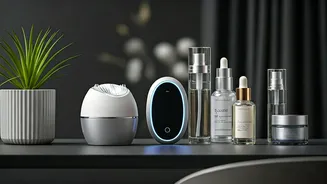
The trend extends beyond apps to a new generation of smart hardware. These devices bring professional-grade treatments into the home and often sync with analysis apps to create a complete ecosystem. LED light therapy masks now come in flexible silicone designs for better skin contact and use different wavelengths of light to target everything from acne to signs of aging. Handheld microcurrent tools, often called a "five-minute facelift," use low-level electrical currents to gently stimulate facial muscles, improving tone and firmness. Other innovations include cleansing brushes that automatically adjust to your skin's sensitivity and tools that use gentle heat to enhance product absorption.
The Bigger Picture: Privacy and Practicality
As with any technology that collects personal data, privacy is a valid concern. Companies in this space are tasked with being transparent about how facial data is stored and used. Furthermore, while these AI tools offer incredible insight, they are designed for cosmetic recommendations, not medical diagnoses. There is also the question of cost, as many of these advanced devices come with a significant price tag. However, as the technology becomes more widespread, prices are expected to become more accessible, and the potential savings from avoiding ineffective products may offset the initial investment.