



The Plant World's Night Shift
For most plants, photosynthesis is a daytime activity. They open tiny pores on their leaves, called stomata, to take in carbon dioxide (CO2), use sunlight to convert it into energy, and release oxygen as a byproduct. But a special group of plants, including
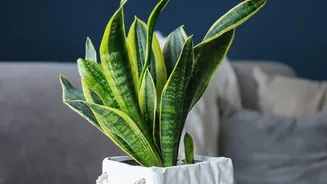
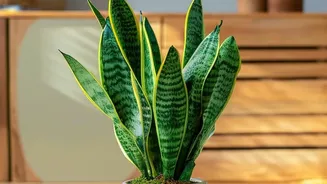
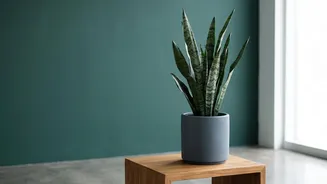
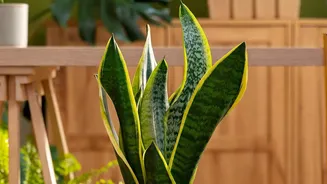
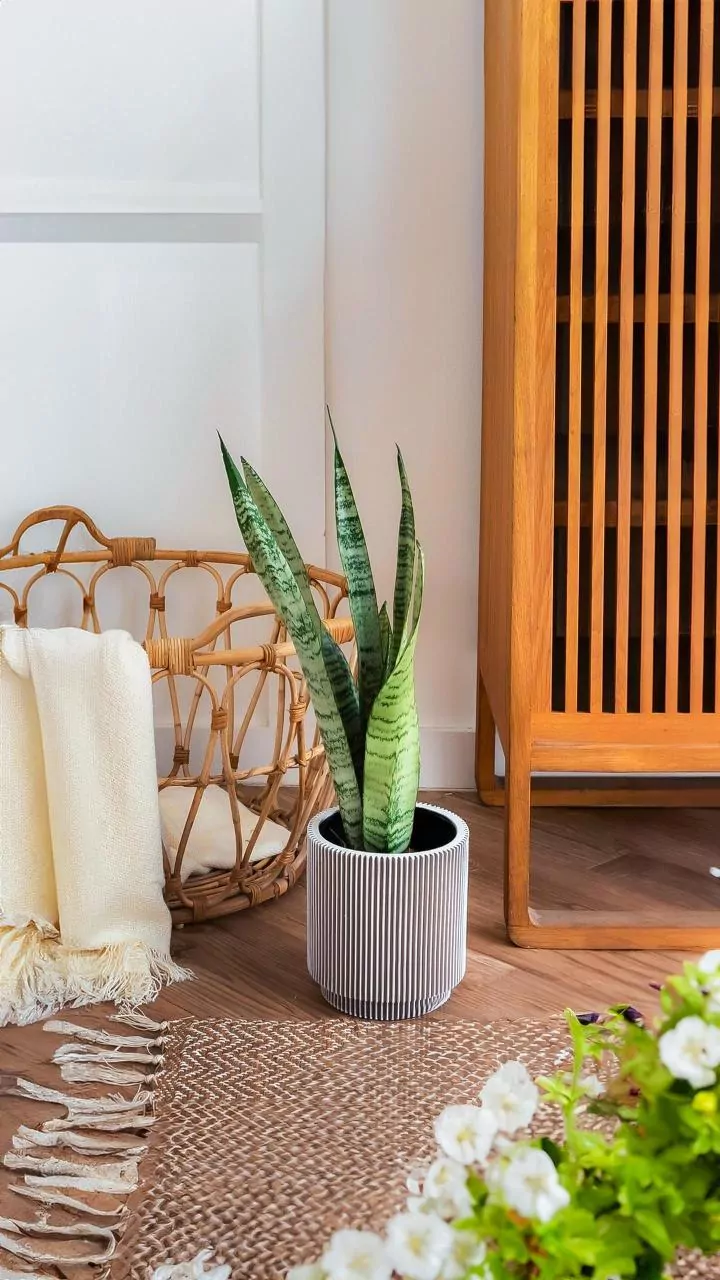
the Snake Plant (Dracaena trifasciata), operates on a different schedule. These plants are native to arid environments where opening their stomata during the hot, dry day would lead to excessive water loss. To survive, they evolved a clever adaptation called Crassulacean Acid Metabolism, or CAM for short.
A Different Way to Breathe
CAM photosynthesis essentially separates the process into two parts. At night, when the air is cooler and more humid, plants like the Snake Plant, as well as succulents like aloe vera and some orchids, open their stomata to absorb CO2. Instead of using it right away, they convert the CO2 into an organic acid (specifically malic acid) and store it in their cells until morning. During this nighttime gas exchange, a small amount of oxygen is indeed released. When the sun comes up, the plant closes its stomata to conserve water and then uses the stored acid and sunlight to complete the photosynthetic process.
What About That Famous NASA Study?
Much of the buzz around air-purifying plants comes from a 1989 NASA study. Researchers were looking for ways to clean the air in sealed environments like space stations and found that certain common houseplants could remove volatile organic compounds (VOCs) like benzene and formaldehyde from small, sealed chambers. The Snake Plant was one of the plants tested. This research was groundbreaking and accurate within its specific, controlled conditions. However, translating these findings to a typical home or bedroom is where the popular claims often get overstated.
A Reality Check on Air Quality
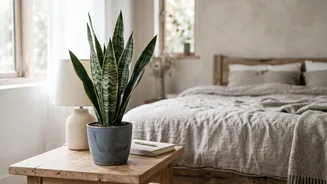
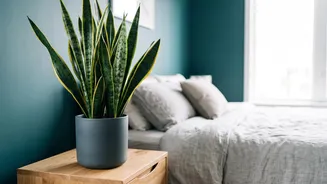
So, will a few Snake Plants in your bedroom act as a powerful natural air purifier? The science suggests the effect is quite modest. While CAM plants do release some oxygen at night, the volume is negligible in a normally ventilated room. An adult human consumes over 11,000 litres of oxygen daily, while a healthy houseplant might produce about 5 to 9 litres in the same period. You would need hundreds of plants in a single room to make a significant impact on oxygen levels. Similarly, while plants do absorb VOCs, the rate is much slower than the air exchange already happening from open doors, windows, and ventilation systems. Studies have concluded you might need anywhere from 10 to 1,000 plants per square metre to truly replicate the cleaning power seen in the sealed NASA chambers.
More Than Just Oxygen
Even if they aren't miracle air purifiers, filling your home with greenery has proven benefits for your well-being. Numerous studies have shown that the presence of indoor plants can help reduce stress, improve your mood, and even increase focus and productivity. The simple act of caring for a living thing can provide a sense of purpose and connection to nature. The aesthetic value is undeniable; plants add life, colour, and texture to our living spaces, making them more pleasant and calming environments. Simply being around plants can lower stress hormones and reduce anxiety.