






The Legend of the 'Anabolic Window'
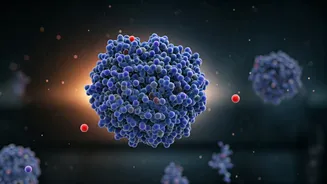
The idea behind the post-gym rush is the “anabolic window.” This theory suggests there is a short period, often cited as 30-60 minutes after a workout, when your body is perfectly primed to absorb nutrients to repair and build muscle. [4, 17] During this
window, muscle protein synthesis (MPS)—the process of building new muscle—is thought to be at its peak, making immediate protein intake critical. [5, 17] This belief created the gym ritual of downing a protein shake before your muscles even have time to stop aching. The logic seems sound: you’ve just broken down your muscles, so you should feed them right away to help them rebuild stronger. [12, 13]
What the Science Actually Says
Modern sports science tells a more flexible story. While it's true that exercise stimulates muscle protein synthesis, that elevated state doesn't just slam shut after 30 minutes. Research shows the body's muscle-building response remains heightened for 24 to 48 hours after a workout. [4] A landmark 2013 meta-analysis by researchers Alan Aragon and Brad Schoenfeld found that the supposed urgency of the anabolic window was largely overstated. [9] They concluded that while protein intake is crucial, the window of opportunity is much wider, potentially lasting four to six hours around your workout, not just minutes after. [9, 15] So, while the window is real, it’s more like a large garage door than a tiny porthole.
Meet the Real Hero: Total Daily Protein
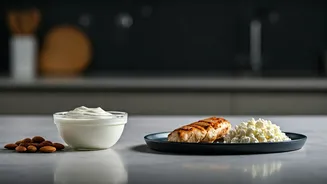
The scientific consensus has shifted focus from precise timing to a much more important factor: your total daily protein intake. [6, 15] Studies have shown that when total protein intake is sufficient and consistent, the benefits of specific timing become small to non-existent for most people. [5, 6, 24] The key is to provide your body with a steady supply of amino acids throughout the day. [3, 21] For most active individuals, this means consuming somewhere between 1.2 to 2.2 grams of protein per kilogram of body weight, spread out over several meals. [3, 15] Aiming for 20-40 grams of high-quality protein per meal, every 3-4 hours, is a great strategy to maximize muscle repair and growth. [7, 4] A shake can help you hit those numbers, but it's just one piece of the puzzle.
So, Should You Ditch the Shake?
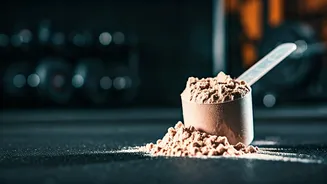
Not necessarily. While you don't need to panic, a post-workout shake is still a convenient and efficient way to get high-quality protein into your system. [2] If you've trained hard and won't be eating a full meal for a couple of hours, a shake is an excellent option. [3] The key is understanding its role: it's for convenience and to help you meet your daily protein goals, not because you’re racing against a 30-minute clock. If you had a protein-rich meal 1-2 hours before your workout, those amino acids are still circulating in your system, and the need for an immediate post-workout shake is even less critical. [9, 15] Essentially, the shake is a helpful tool, not a mandatory rule.
When Timing Might Matter More
While most casual gym-goers can relax about timing, there are specific scenarios where it becomes more important. If you train in a fasted state, such as first thing in the morning without eating, having protein shortly after your workout is a good idea to kickstart the recovery process. [9, 15] Similarly, elite athletes or individuals who train multiple times a day may benefit from more precise nutrient timing to maximize recovery between sessions. [7, 23] For women, hormonal fluctuations throughout the menstrual cycle can also impact muscle breakdown and synthesis, potentially making timely post-workout nutrition more beneficial during certain phases. [1]