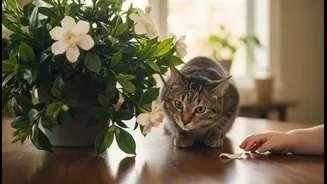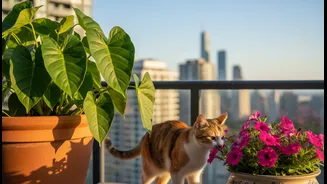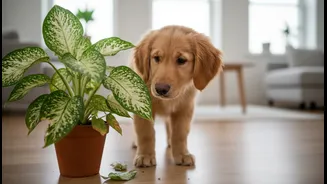



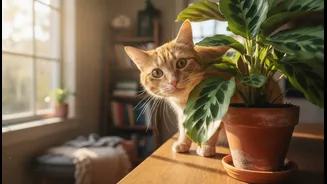



Recognising the Danger Signs
The initial headline says it all: vomiting and drooling are classic first indicators that a child or pet may have ingested something toxic. Other immediate symptoms can include intense burning or irritation in the mouth, swelling of the tongue and throat,
and excessive drooling. Depending on the plant and the amount consumed, you might also observe diarrhoea, lethargy, a loss of appetite, or more alarming neurological signs like disorientation, tremors, or seizures. In both humans and animals, an irregular heartbeat or difficulty breathing are critical signs that require immediate emergency attention. These symptoms appear because plants have developed toxins as a natural defence, and these chemicals can wreak havoc on different body systems.
Common Culprits in Indian Homes
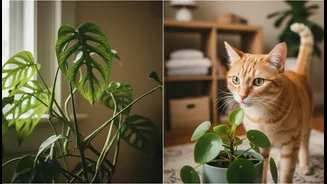
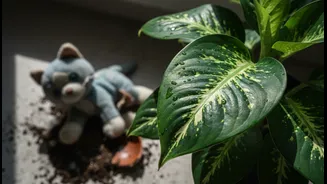
Many popular plants found in Indian homes and gardens are beautiful but toxic. Oleander (Kaner), for instance, is extremely poisonous; every part of the plant contains cardiac glycosides that can disrupt heart function. Dieffenbachia, often called ‘Dumb Cane’, contains sharp, needle-like crystals that cause intense pain and swelling in the mouth if chewed, sometimes becoming severe enough to block airways. Other common plants to be wary of include Snake Plant (Dracaena trifasciata) and Money Plant/Pothos (Epipremnum aureum). While their toxicity is milder, they contain compounds like saponins and calcium oxalates that lead to significant gastrointestinal distress, including vomiting, diarrhoea, and mouth irritation in pets and children. Even the popular Sago Palm, whose seeds are particularly potent, can cause devastating liver damage if ingested.
Your Emergency Action Plan
If you suspect your child or pet has ingested a potentially poisonous plant, act quickly and calmly. First, remove any remaining pieces of the plant from their mouth. Try to identify the plant; taking a quick photo can be extremely helpful for medical professionals. Do not try to induce vomiting unless you are explicitly instructed to do so by a doctor or veterinarian, as it can sometimes cause more harm. Instead, immediately contact your local hospital, veterinarian, or a poison information centre for guidance. In India, you can reach out to the National Poisons Information Centre. You will need to describe the plant, the parts eaten, and the symptoms your loved one is exhibiting. Follow the expert's advice precisely. In cases of severe symptoms like seizures or unconsciousness, seek emergency medical care without delay.
Prevention Is the Best Protection
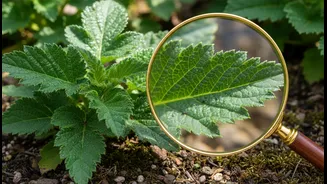
The best way to handle plant poisoning is to prevent it from happening. The first step is knowledge. Take the time to identify all the plants in and around your home. If you're unsure, use a plant identification app or consult an expert at a local nursery. Once you know what you have, you can take appropriate action. Place all toxic plants well out of reach of small children and pets—on high shelves, in hanging baskets, or in rooms that are off-limits. For households with particularly curious toddlers or pets, it may be safest to re-home highly toxic plants like Oleander or Sago Palm. Educate children from a young age that they should not put any part of a houseplant in their mouths. When bringing new plants home, actively choose non-toxic varieties such as the Money Tree (Pachira aquatica), many types of ferns, and spider plants, which are confirmed to be safe for both kids and pets.