



The Clumping Catastrophe
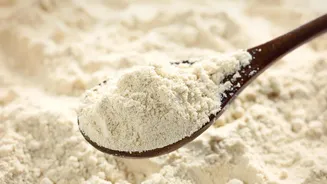
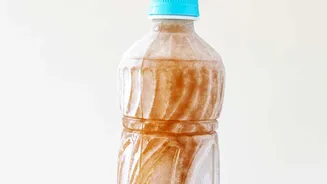
The most immediate and visible problem caused by a wet spoon is clumping. When water meets a dry powder, it acts like a glue. The particles on the surface absorb the moisture, swell, and stick together, forming hardened lumps. This is more than just a minor
annoyance. These clumps can be difficult to break up, making it hard to measure ingredients accurately for your recipes. A clumpy cocoa powder won’t dissolve smoothly into milk, and lumpy spice blends will not sprinkle evenly over your food. Over time, repeated exposure to moisture can turn an entire container of free-flowing powder into a solid, unusable brick.
An Invitation for Spoilage
Beyond the physical texture, moisture introduces a more serious threat: spoilage. Dry ingredients like flour, spices, and milk powder are shelf-stable precisely because their low moisture content prevents microorganisms from growing. When you introduce water—even the tiny amount from a wet spoon—you raise the water activity in that spot. This can create a perfect breeding ground for mould, yeast, and bacteria. You may not see it at first, but this contamination can spoil the entire container, leading to off-flavours, unpleasant odours, and potential health risks. In some cases, pathogens like Salmonella or E. coli can persist in powdered products with increased moisture.
The Degradation of Flavour and Aroma
Powdered ingredients are prized for their concentrated flavour and aroma, from the rich notes of coffee to the fragrant kick of ground cumin. Moisture is the enemy of this sensory experience. Water can initiate chemical reactions that degrade the delicate compounds responsible for taste and smell. For example, it can accelerate the oxidation of fats and oils within powders like cocoa or milk powder, leading to rancidity. Spices are particularly vulnerable, losing their potency and developing stale or off-flavours when exposed to humidity. Essentially, every drop of water that gets into the container dilutes the quality of your ingredient long before you even use it.
Best Practices for a Dry Pantry
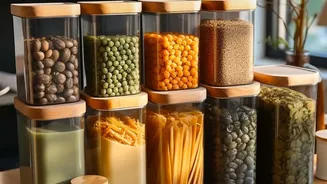
Protecting your powdered goods is simple with a few good habits. The cardinal rule is to always use a completely dry spoon. Consider keeping a dedicated spoon inside the container of your most-used powders, like coffee or sugar, ensuring it stays dry and ready. Store all powdered ingredients in airtight containers. The original packaging is often fine if it has a tight-fitting lid, but transferring to glass jars or dedicated food storage containers offers better protection. Finally, pay attention to your environment. Avoid scooping powders directly over a steaming pot or kettle, as the rising steam can introduce moisture into your container. Store them in a cool, dark, and dry place like a pantry, away from the stove, sink, or refrigerator, where humidity can be high.
It’s Not Just Cocoa
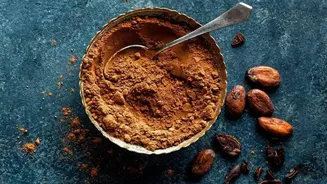
This advice applies to a wide range of pantry staples. Think about your instant coffee, milk powder, protein powders, baking powder, flour, cornstarch, and entire spice rack. All these items rely on being kept dry to maintain their texture, safety, and quality. Sugar, especially brown sugar, is notorious for hardening into a rock when exposed to moisture changes. Milk powders are particularly susceptible and can become not only lumpy but also unsafe if moisture allows bacteria to proliferate. Applying the 'dry spoon' rule across your pantry will extend the life of your ingredients and save you from the frustration and waste of having to throw out spoiled food.