



Understanding the Electric Coach
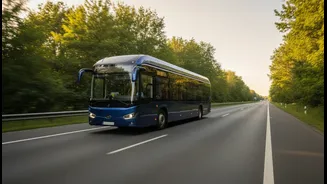
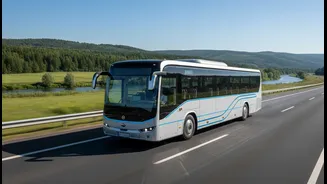
At the heart of this travel revolution is the electric coach itself. Unlike their diesel-powered counterparts, these buses run on large battery packs, driving electric motors. The result is a journey with zero tailpipe emissions, which is a significant
win for air quality. Passengers experience a dramatically different ride; it's exceptionally quiet and smooth, free from the constant vibrations and engine noise of a traditional bus. Manufacturers like Olectra Greentech, JBM, and Switch Mobility are producing buses with advanced designs, including lightweight monocoque chassis for better stability and handling. Many of these modern coaches also feature regenerative braking, a technology that captures energy when the bus slows down to partially recharge the battery, increasing overall efficiency. This fundamental shift in vehicle technology is the first key to understanding the premium electric bus concept.
The 'Premium Seating' Experience
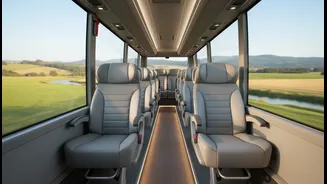
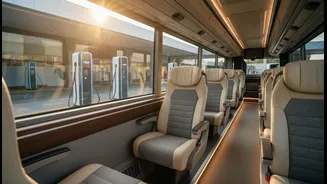
What truly separates these services, offered by brands like NueGo and zingbus, is the focus on the passenger experience, often summarized by 'premium seating'. This goes far beyond just a place to sit. We're talking about spacious, ergonomic seats or berths with more legroom, deeper reclining capabilities, and sometimes even calf support. The standard amenities are more akin to what you'd expect on a flight. Individual USB charging ports for every passenger, personal reading lamps, and reliable onboard Wi-Fi are becoming standard features. The interiors are designed to be more luxurious, with soft-touch materials and ambient LED lighting creating a calmer atmosphere. Some operators even provide welcome kits with essentials, and all place a high emphasis on safety, with features like CCTV surveillance and GPS tracking. This focus on comfort and convenience transforms a long, tiring bus journey into a relaxed and productive travel experience.
Solving the Range Puzzle with Scheduled Charging
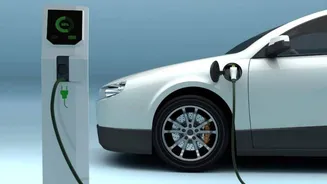
A common question with any electric vehicle is about range and charging. For intercity buses covering hundreds of kilometres, this is a critical logistical challenge. The solution lies in 'scheduled charging'. Operators don't leave this to chance. They build a robust network of high-capacity, fast-charging stations at strategic points. These are located at depots where buses start and end their journeys, as well as at designated layover spots for meal breaks on longer routes. A single charge can give a bus a range of around 350-500 kilometres, and with fast charging during a scheduled stop, a bus's daily operational range can be extended significantly, often to 600 km or more. Companies like GreenCell Mobility, which operates NueGo, are investing heavily in this essential infrastructure, sometimes even integrating renewable energy sources like wind and solar to power their charging hubs. This planned approach ensures that buses can reliably complete their routes without causing delays or 'range anxiety' for passengers or operators.
Why It Matters for India's Future
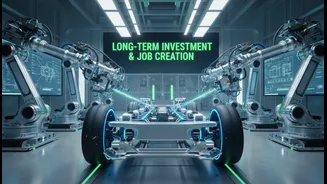
The shift to premium electric intercity buses is more than just a new way to travel; it represents a significant step towards a more sustainable future for Indian transport. By replacing diesel buses, these electric coaches directly reduce CO2 emissions and local air pollution in and between cities. The lower operating costs are also a major factor. While the initial purchase price of an electric bus is higher, the savings on fuel and maintenance are substantial. Some operators note that even without subsidies, the total cost of ownership for an electric bus is now better than for a diesel one, saving state transport undertakings significant money. This transition, supported by government initiatives like the FAME-II scheme, is helping to create a new ecosystem for green mobility, encouraging investment and innovation across the country.