





From Kirana Run to 10-Minute Dash
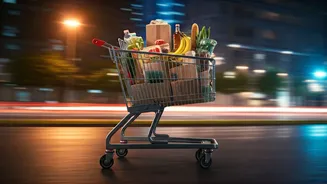
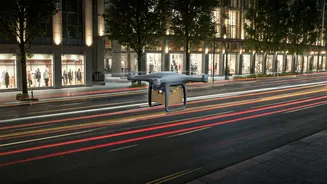
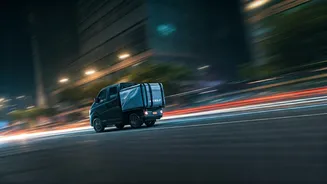
Welcome to the era of quick commerce, or q-commerce, a retail model that promises to deliver groceries, medicines, and other essentials to your doorstep in as little as 10 to 30 minutes. This isn't the traditional e-commerce of yesterday that took a day or more
to arrive. Propelled by the pandemic-induced shift in shopping habits and the urban Indian's growing need for convenience, q-commerce has exploded into a multi-billion dollar industry. Platforms like Blinkit, Zepto, and Swiggy Instamart are now household names, fundamentally changing how city dwellers plan—or rather, don't plan—their daily needs. The market, valued at over USD 3 billion in 2024, is rapidly expanding, reshaping consumer expectations around speed and access.
The Engine Room: A Network of Dark Stores
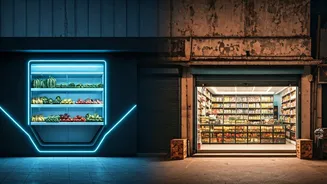
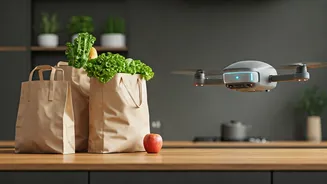
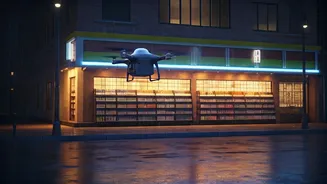
The magic behind this ultra-fast delivery isn't magic at all; it's a sophisticated logistics network built on 'dark stores'. These are not retail shops you can walk into. Instead, they are small, strategically located warehouses scattered across dense residential neighbourhoods, each serving a radius of just a few kilometres. Stocked with a curated list of 1,500 to 5,000 high-demand products, these micro-fulfilment centres allow delivery partners to pick up orders and reach customers in minutes. Powered by artificial intelligence that optimises inventory and predicts demand, this hyperlocal model is the backbone that enables the 10-minute promise.
Beyond Groceries and Impulse Buys
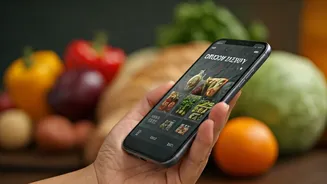
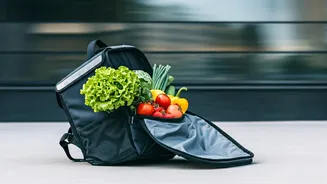
Initially seen as a service for late-night snack cravings or emergency top-ups, quick commerce has evolved far beyond that. While snacks and beverages are still a major category, consumers now use these apps for everything from daily produce and dairy to personal care items, over-the-counter medicines, and even small electronics. This shift indicates a deeper change in consumer habits. The small, frequent purchases driven by immediate need are replacing the traditional weekly or monthly bulk shopping trips for many urban families. Studies show that a majority of q-commerce orders are impulse-driven, catering to a 'buy-it-when-you-need-it' mindset that prioritises convenience over planning.
The Hidden Costs of Convenience
This convenience, however, comes with complex challenges. The business model operates on razor-thin margins, with high operational costs for maintaining dark stores, managing logistics, and paying a vast fleet of delivery riders. Profitability remains a major question mark in the industry, with even major players struggling to make the unit economics work on small-ticket orders. Furthermore, the intense competition has put immense pressure on local kirana stores, which find it difficult to compete with the speed and deep discounts offered by venture-funded platforms. Some reports indicate a significant number of small shops have faced declining footfall and even closures in the face of this new competition.
A Permanent Shift in Household Management
Is quick commerce just a fleeting trend or a permanent fixture in our lives? All signs point to the latter. The model has fundamentally altered consumer expectations; once you get used to 10-minute delivery, waiting a day for an online order can feel painfully slow. This behavioural shift is steering households away from meticulous planning and stocking up, towards a more spontaneous, on-demand consumption model. As these platforms expand into Tier-II and Tier-III cities, and broaden their product catalogues, they are cementing their role not just as a convenience, but as an essential utility for modern household management.