



More Than Just Marshes
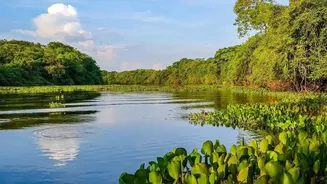
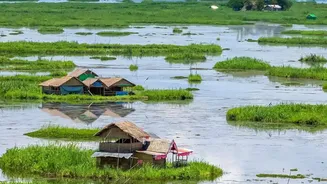
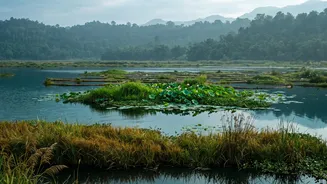
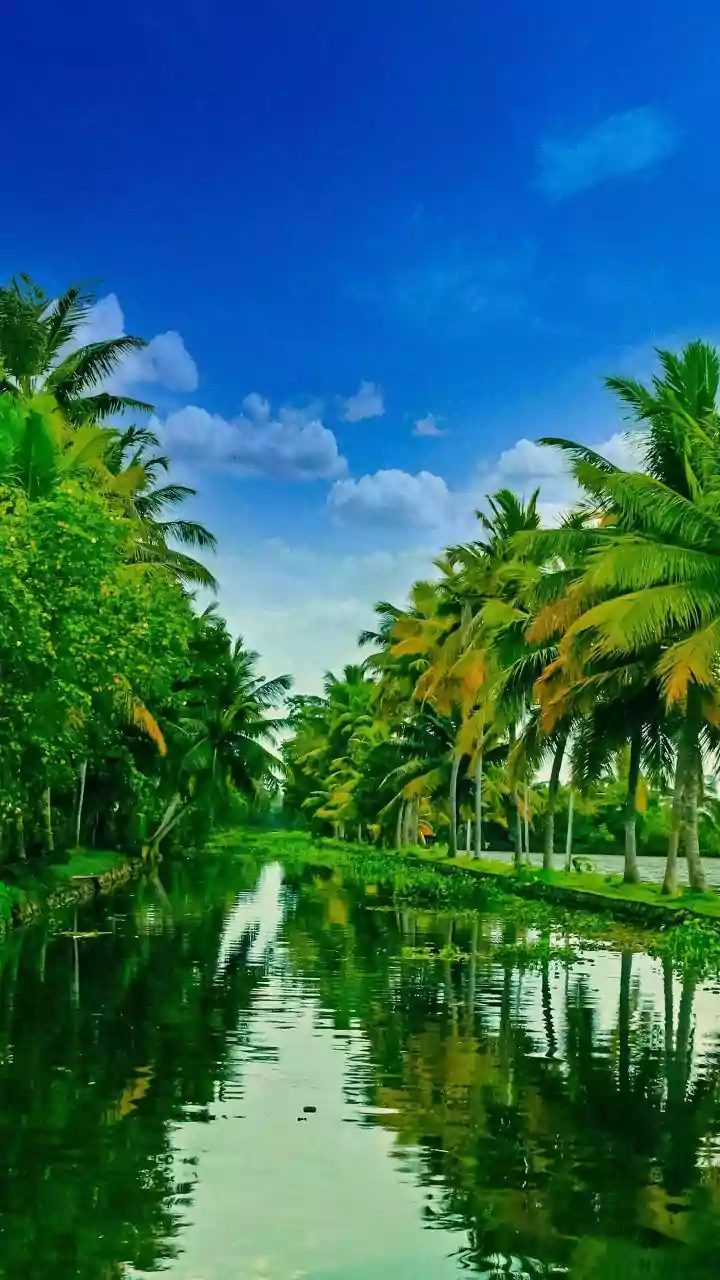
Wetlands are often misunderstood as mere swamps or wastelands. In reality, they are incredibly productive ecosystems where land and water meet. This includes marshes, lakes, rivers, estuaries, and mangroves. Often called 'nature's kidneys,' they play
a critical role in filtering pollutants from water, recharging groundwater, and acting as natural sponges that absorb floodwaters. They are also hotspots of biodiversity, providing food, water, and shelter to countless species. Protecting these areas is not just about saving wildlife; it is about securing the natural infrastructure that supports human communities with clean water and climate resilience.
The Significance of 103 Ramsar Sites
The recent designation of Sukhna Lake in Chandigarh and Sauj Jheel in Uttar Pradesh brought India's tally of 'Wetlands of International Importance' to 103. This listing comes under the Ramsar Convention, an international treaty adopted in 1971 to promote the conservation and wise use of wetlands. Gaining a Ramsar designation elevates a wetland's status, encouraging better management and often unlocking access to technical and financial support. Reaching this milestone underscores a national commitment to preserving these vital ecosystems, which provide immense ecological, climatic, and livelihood benefits.
A Superhighway for Birds
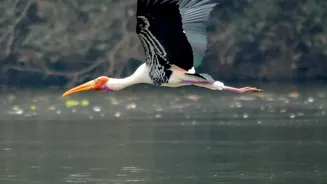
India holds a geographically critical position on the Central Asian Flyway (CAF), one of the world's nine major migratory routes for birds. This flyway spans 30 countries, connecting the birds' northern breeding grounds in the Arctic and Siberia with their non-breeding wintering grounds in South Asia and the Indian Ocean. For many species, India is the final stop on their exhausting journey. Each winter, millions of birds, from Bar-headed geese flying over the Himalayas to Siberian Cranes, depend on Indian wetlands as their temporary homes. This makes the health of India's wetlands a matter of international conservation importance.
A Network of Safe Havens
The protection of migratory birds cannot be achieved by safeguarding one or two locations. These birds require a chain of safe and resource-rich sites to rest, feed, and refuel during their arduous migration. The expansion to 103 Ramsar sites creates a functional network of protected 'pit stops'. This connectivity is the key. When a bird arrives at a site like Sukhna Wetland, a crucial stop on the CAF, it finds a protected environment to recover before continuing its journey or settling for the winter. A single degraded or unprotected wetland in the chain can have a devastating ripple effect, impacting the entire migration cycle. By strengthening the network, India reduces the vulnerability of these birds and increases their chances of survival.
Benefits Beyond the Birds
While protecting migratory species is a primary goal, the benefits of a robust wetland network extend much further. These ecosystems are powerful tools for climate action, sequestering significant amounts of carbon. They provide critical resources for local communities, supporting livelihoods through fishing, agriculture, and eco-tourism. For instance, the new Ramsar site at Sukhna Lake is not just a bird habitat but also a vital recreational and educational resource for the city of Chandigarh. Ensuring the health of these wetlands helps India meet its broader commitments to biodiversity conservation, water security, and sustainable development for its people.