

Rethinking Festive Feasting
The familiar cycle of festive indulgence followed by bloating and discomfort is becoming less appealing to many. Modern life, with its demanding schedules, has prompted a shift towards wellness, influencing everything from daily routines to how we celebrate.
An increasing number of people are seeking ways to enjoy traditional flavours without the guilt or digestive distress that often accompanies rich, heavy foods. This has sparked a trend towards lighter, more balanced festive menus that don't compromise on taste or tradition but are kinder to our bodies.
Smart Swaps for Healthier Treats
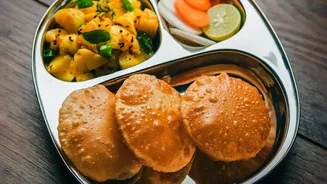
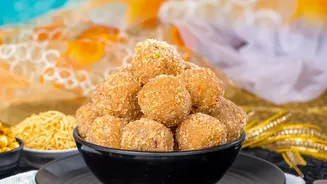
The key to this new approach lies in intelligent ingredient substitutions that retain the soul of the dish. Refined sugar is frequently being replaced with natural sweeteners like jaggery, dates, or palm sugar in sweets like gulab jamun and modak. Similarly, refined flour (maida) is giving way to whole grains and millets. Ladoos made from atta, ragi, or besan are gaining popularity as nutritious alternatives. Even classic savoury snacks are getting a makeover, with baked whole wheat samosas and multigrain chaklis offering a healthier crunch than their deep-fried counterparts. The focus is on making simple changes that enhance nutrition without sacrificing the celebratory spirit.
The Millet Revolution
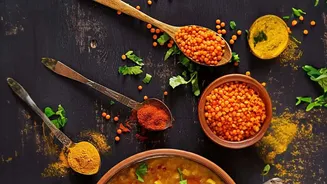
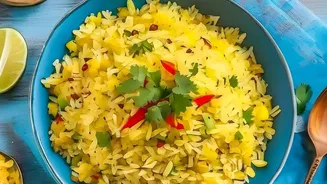
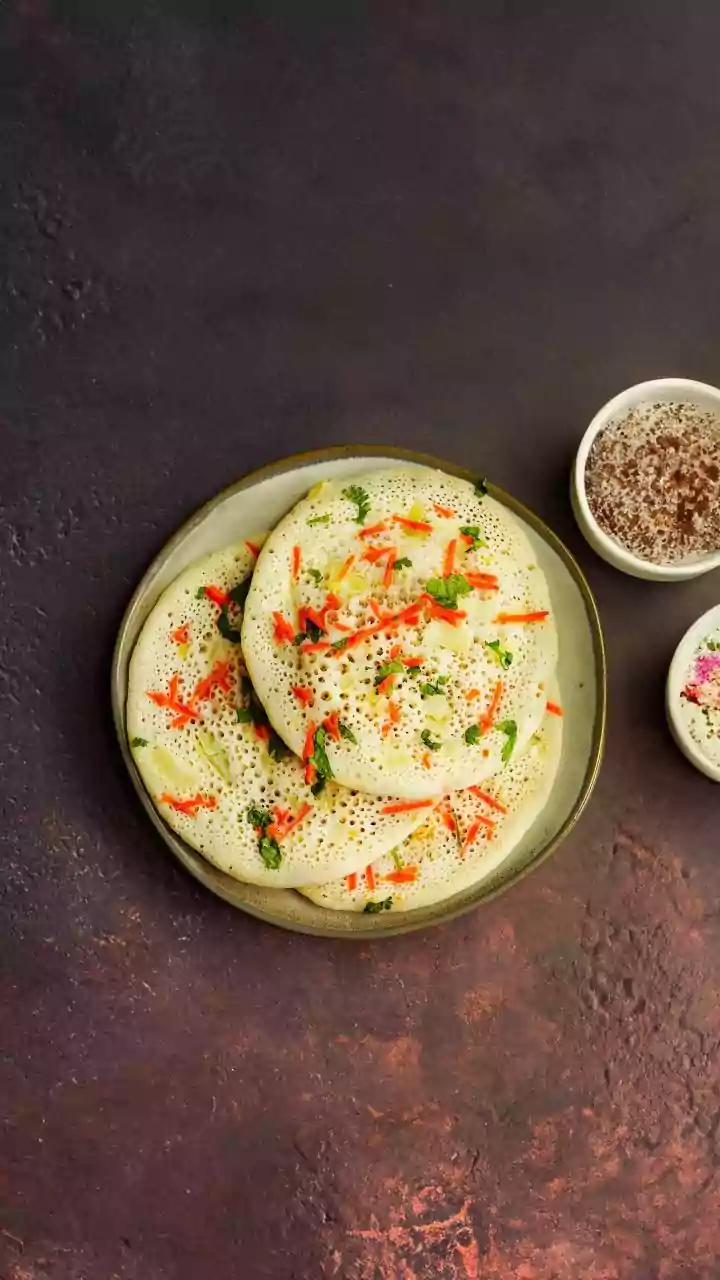
Millets, once considered humble grains, are at the forefront of this culinary evolution. Packed with fibre, protein, and essential minerals, millets like ragi (finger millet), bajra (pearl millet), and jowar (sorghum) are incredibly versatile. They are being seamlessly integrated into traditional festive recipes across India. In Tamil Nadu, rice in Pongal is being substituted with foxtail or Kodo millet. In Gujarat, the festive khichda is being prepared with pearl millet. South Indian favourites like dosas and idlis are made with ragi batter, and even desserts like kheer and halwa are being created with different types of millets, offering a nutritious and flavourful twist.
Modern Techniques Meet Traditional Flavours
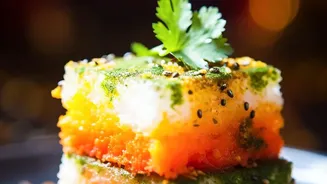
Beyond ingredient swaps, modern cooking methods are playing a significant role. The air fryer has become a popular tool for making traditionally deep-fried snacks like samosas, pakoras, and mathri with a fraction of the oil. This allows for the same crispy texture without the heaviness of deep-frying. Similarly, baking is being used as a healthier alternative for dishes like gujiya. Steaming, a gentle cooking method, is preferred for making items like dhokla and modaks, preserving nutrients and making them easier to digest. These techniques help reduce the overall oil and fat content in festive meals, making them lighter and more digestible.
A Focus on Gut Health
The conversation around festive eating now prominently features digestion and gut health. There is a greater understanding that feeling good is as important as the feast itself. Alongside lighter meals, there's an emphasis on incorporating foods that aid digestion. Probiotic-rich foods like homemade curd (dahi) and buttermilk (chaas) are recommended to balance the gut microbiome. Spices known for their digestive properties, such as ginger, cumin (jeera), and carom seeds (ajwain), are being mindfully included in festive preparations. Starting the day with a light breakfast like poha and staying hydrated are also seen as practical ways to support digestion during a period of heavy eating.