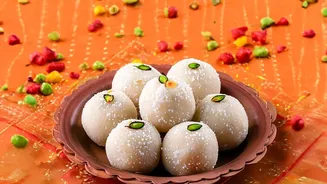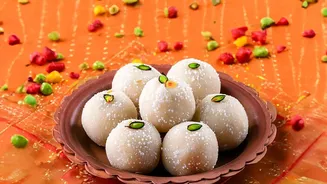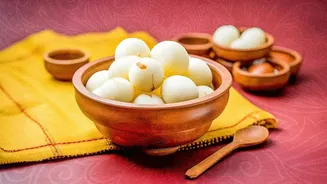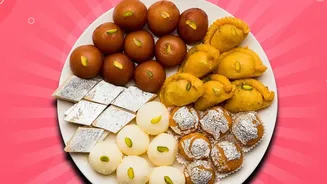





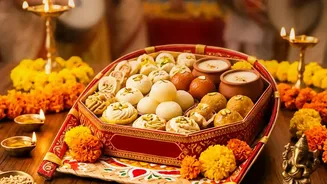
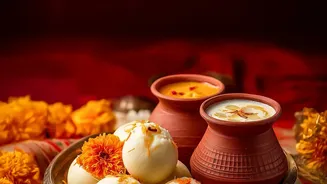
The festive season in India paints a familiar picture: the aroma of homemade laddoos fills the kitchen, while colourful boxes of store-bought chocolates and sweets pile up. But why are both thriving? The answer lies in a fascinating blend of tradition
and modern life.
The Modern Gifting Culture
In contemporary India, gifting has evolved significantly. While sweets have always been a token of love and good fortune, the nature of the gift now carries new weight, especially in corporate and wider social circles. Packaged confectionery, from assorted chocolates to premium baked goods, offers a level of presentation, hygiene, and convenience that is hard to match with homemade items. For many, a branded box of chocolates or a curated hamper is seen as a modern, sophisticated, and reliable gift for colleagues, clients, and extended family. This trend is a major driver of sales, with some reports indicating that festivals account for a huge percentage of annual confectionery sales. It's not that traditional sweets are unloved; rather, branded confectionery has carved out a distinct role in the formal and semi-formal gifting ecosystem.
Convenience in a Time-Strapped World
The reality of modern urban life is that time is a precious commodity. With more dual-income households and demanding schedules, many families find it challenging to prepare the vast array of sweets that tradition once called for. While they may still make a few signature dishes that are central to family rituals and pujas, the sheer variety for entertaining and gifting is often outsourced. Retailers and online platforms have stepped in to fill this gap, offering everything from classic mithai with longer shelf lives to a dazzling variety of chocolates and candies. This convenience allows families to uphold the spirit of festive generosity without adding to the stress of preparations. Quick commerce has further amplified this, making it possible to order festive sweets with the same ease as daily groceries.
A Place for Both: Segmented Consumption
The rise of packaged sweets isn't replacing homemade preparations; it's complementing them. Consumer behaviour shows a clear segmentation: traditional, homemade sweets are often reserved for the core of the celebration. They are the offerings for religious ceremonies (prasad), the treats shared within the immediate family, and the taste of home that carries irreplaceable sentimental value. Store-bought confectionery, on the other hand, serves a different purpose. It's for the broader social circle, the children's preferences for chocolate over mithai, and for adding variety to the festive table without spending days in the kitchen. This 'both-and' approach reflects a pragmatic and evolving culture that embraces modernity without abandoning its roots.
The Quest for Novelty and Premiumisation
Indian consumers, particularly the younger generation, have a growing appetite for novelty and premium experiences. This has fuelled demand for artisanal chocolates, international candy brands, and innovative 'fusion' sweets that blend global formats with local flavours, like gulab jamun cheesecakes or jalebi caviar. This trend of premiumisation is a key market driver, with consumers willing to pay more for unique tastes, high-quality ingredients, and attractive packaging. Confectionery brands have capitalised on this by launching limited-edition festive ranges and curated hampers that feel exclusive and special, transforming a simple box of sweets into a coveted gift.
The Assurance of Quality and Hygiene
In recent years, consumers have become increasingly conscious of food safety and hygiene. Branded and packaged confectionery comes with an implicit promise of quality control and standardised preparation, which many find reassuring. While local sweet shops remain popular, the consistency and perceived safety of a sealed, branded product can be a deciding factor, especially when gifting to others. This trust in established brands, combined with a longer shelf life, makes packaged sweets a practical choice for planning and distributing gifts over the festive period, which can often span several days or weeks.