

Beyond the Green Revolution's Legacy
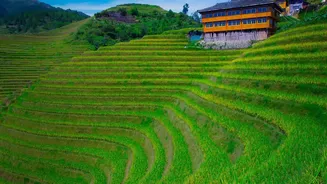
For decades, Indian agriculture prioritised a handful of high-yield rice varieties to ensure food security. While the Green Revolution of the 1960s dramatically increased production, it came at a cost: a massive loss of agricultural biodiversity. It's
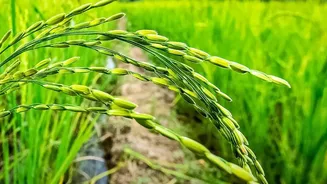
estimated that India was once home to over 100,000 distinct rice varieties, each uniquely adapted to its local climate, soil, and culture. By the turn of the century, fewer than 6,000 of these indigenous landraces were believed to remain, with many facing extinction. This shift towards uniformity meant that generations grew up with little knowledge of the rich tapestry of grains their ancestors cultivated, from the medicinal Navara of Kerala to the ceremonial Chak-Hao of Manipur.
The Seeds of a Modern Revival
Today, a confluence of factors is driving a powerful revival. Health-conscious urban consumers are looking for alternatives to polished white rice, seeking out grains with a lower glycemic index and higher nutritional value. Traditional rice varieties, often rich in fibre, antioxidants, and minerals like iron and zinc, fit the bill perfectly. Simultaneously, there's a growing appreciation for culinary heritage and authentic flavours. Chefs at high-end restaurants and home cooks alike are exploring the unique textures and aromas these grains offer, moving beyond monotonous meals to create dishes with a deep sense of place. This movement is also a response to climate change, as many indigenous varieties are naturally resilient to challenges like drought, floods, and soil salinity.
A Palette of Regional Treasures
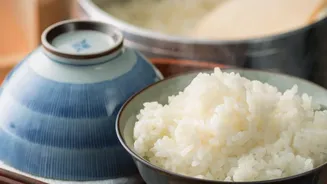
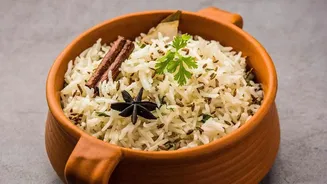
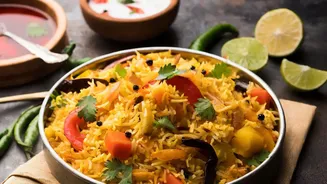
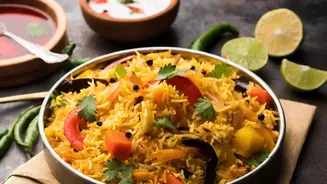
This revival introduces a vibrant spectrum of rice to the modern Indian kitchen. In West Bengal, the short-grained, aromatic Gobindobhog, which has a Geographical Indication (GI) tag, is prized for its sweet, buttery flavour in festive dishes and payesh. From Assam comes the sticky and fragrant Joha rice, another GI-tagged grain perfect for pulao and kheer, noted for being easily digestible. Manipur's stunning black glutinous rice, Chak-Hao, which turns a deep purple when cooked, is packed with antioxidants and has a nutty taste. Down south, Kerala's Navara red rice is celebrated in Ayurveda for its medicinal properties and is often used in restorative gruels. Similarly, Tamil Nadu's Mappillai Samba, or 'bridegroom rice', is a robust red variety traditionally eaten to build stamina.
Champions of the Grain
This comeback isn't happening on its own. It's being powered by a dedicated network of individuals and groups. Farmer-led collectives and conservationists across the country are at the forefront, establishing seed banks to preserve and exchange native varieties. Organisations like Vrihi in West Bengal and the M.S. Swaminathan Research Foundation in Kerala have been instrumental in saving hundreds of landraces from disappearing forever by reintroducing them to farmers. These efforts create a vital link between the guardians of agricultural heritage and a new generation of conscious consumers, ensuring that these grains not only survive but thrive. Chefs are also playing a crucial role, featuring these grains on their menus and educating diners about their unique qualities and origins.