


Beyond the Traditional Masala Dabba
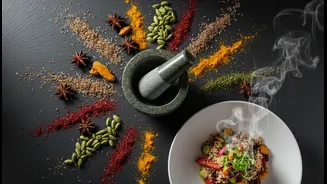
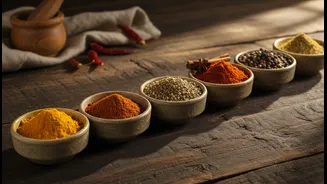
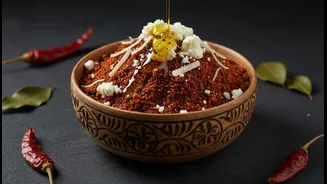
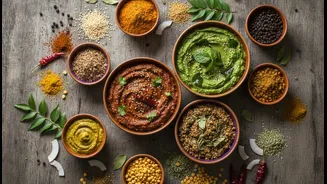
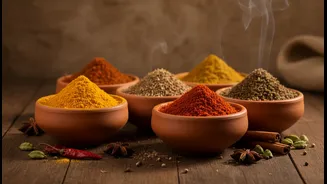
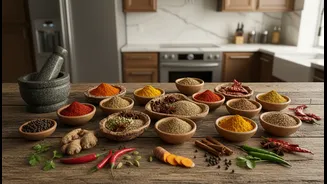
For generations, the Indian masala dabba, or spice box, has been the heart of the kitchen, holding essential players like turmeric, cumin, coriander, and mustard seeds. These spices formed the foundation of countless regional dishes, from a warming dal
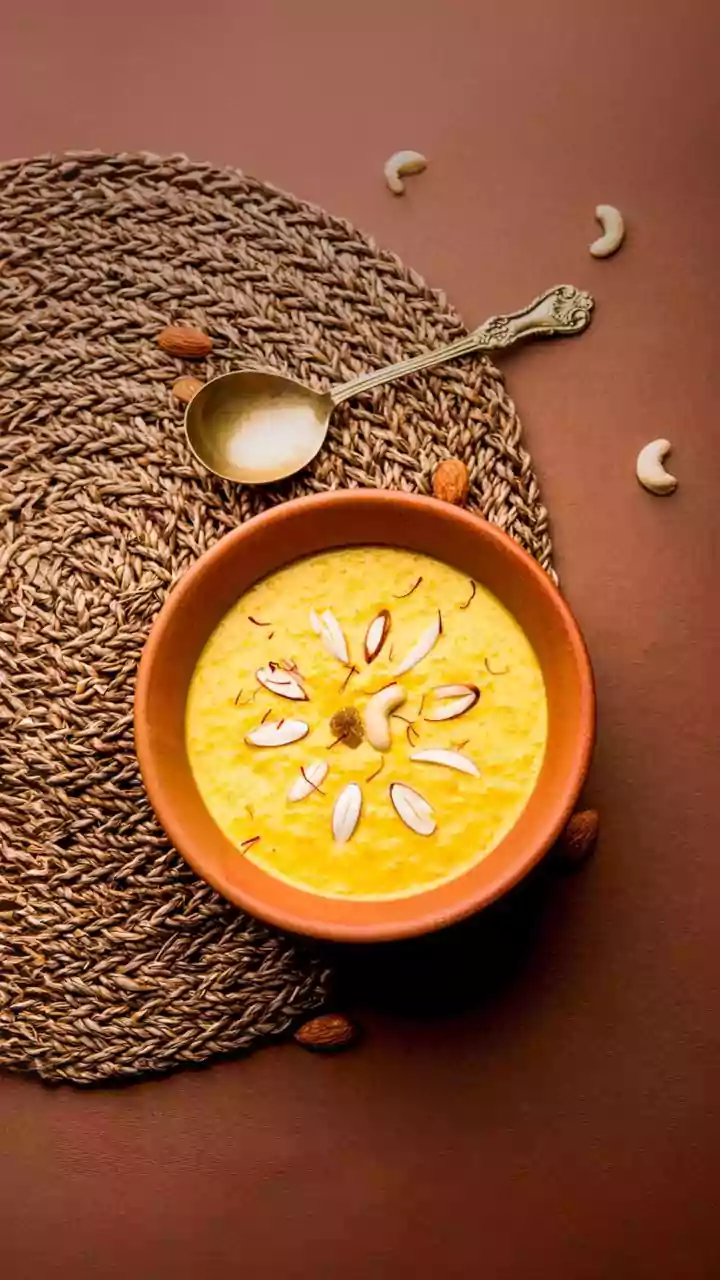
to an intricate biryani. Today, however, these spices are venturing out of their traditional roles. The same turmeric once reserved for sabzi is now lending its golden hue and anti-inflammatory properties to everything from sourdough bread to wellness lattes. Cardamom, the queen of spices long used in kheer and chai, is now infusing artisan coffee blends and decadent Western desserts like panna cotta and cheesecake. This shift isn't about replacing tradition, but expanding it, as cooks discover the incredible versatility of these flavours.
The Global Palate in the Local Kitchen
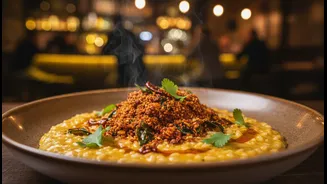
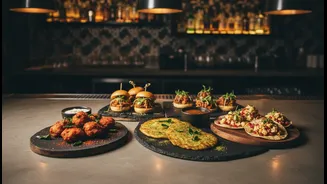
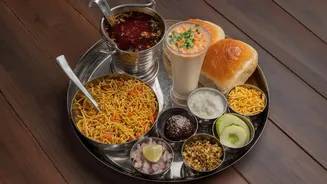
The most exciting part of this trend is how it manifests in everyday meals. In kitchens across India, fusion isn't a fine-dining concept; it's a practical and delicious reality. Think of pasta tossed in a creamy butter chicken sauce instead of a traditional marinara, or tacos filled with spicy paneer tikka and topped with a tangy chutney. Street food, always a hub of innovation, has become a playground for these experiments. Vendors are drawing crowds with creations like tandoori momos, cheese burst dosas, and masala-spiced Maggi noodles. These dishes work because they blend the comfort of the familiar with the thrill of the new, creating flavour combinations that are both surprising and deeply satisfying.
Why Now? The Social Media Effect
This culinary creativity is being fuelled by social media. Platforms like Instagram and YouTube have turned home cooks into influencers and local food stalls into viral sensations. A visually stunning dish, like a vibrant pink beetroot dosa or a cheesy butter chicken pizza, can spread like wildfire, inspiring thousands of others to try it themselves. Food bloggers and content creators demystify recipes, sharing step-by-step videos that make fusion cooking feel approachable and fun. This digital exchange has not only popularised new dishes but has also fostered a renewed appreciation for regional Indian cuisines, encouraging a generation to explore their own culinary heritage while experimenting with global influences.
A New Language of Flavour
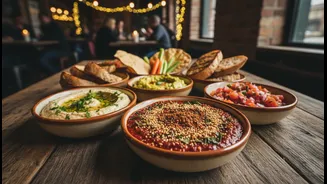
At its core, this trend is about more than just mixing ingredients; it's about creating a new culinary language. The structural brilliance of Indian spices—their ability to add warmth, depth, and complexity—makes them uniquely suited for fusion. A marinade of yogurt and tandoori masala works just as beautifully on cauliflower as it does on chicken. The tangy, funky notes of chaat masala can elevate a simple fruit salad or a plate of fries. This adaptability allows Indian flavours to harmonise with cuisines from around the world, whether it's Japanese miso, French techniques, or Mexican formats. The result is a dynamic, evolving cuisine that reflects a more interconnected world, where a dish can be both authentically Indian and excitingly global at the same time.