

The Myth of the Air-Purifying Plant
The popular belief that houseplants are secret weapons against indoor pollution can be traced back to a landmark 1989 NASA study. Researchers were exploring ways to clean the air in sealed space stations and found that certain common plants could indeed
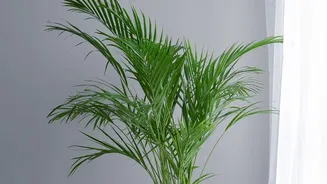
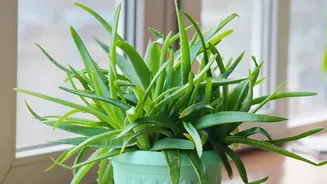
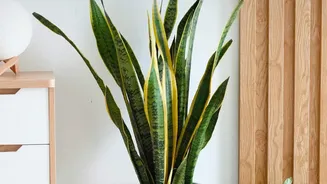
remove volatile organic compounds (VOCs) like benzene and formaldehyde from small, airtight chambers. This exciting discovery quickly entered public consciousness, with lists of 'air-purifying' plants like the Snake Plant, Peace Lily, and Spider Plant becoming a staple of home and wellness media. The idea was simple and appealing: a few strategically placed pots could scrub the air your family breathes. Unfortunately, the reality of your living room is far different from a sealed NASA laboratory.
Reality Check: Ventilation Is King
More recent analyses of this research have concluded that you would need an almost impossible number of plants to replicate the effect seen in those lab studies. One review calculated that to significantly impact air quality, you'd need anywhere from 10 to 1,000 plants per square meter of floor space. That’s a jungle, not a living room. The primary reason for this is air exchange. In a normal home, air is constantly being replaced through open windows, doors, and HVAC systems. This natural ventilation does far more to clear out pollutants than a handful of plants ever could. While your plants are technically absorbing trace amounts of chemicals, the effect is so small it’s practically negligible compared to simply opening a window. Think of it like trying to empty a swimming pool with a teaspoon while a fire hose is refilling it.
The Undeniable Aesthetic Boost
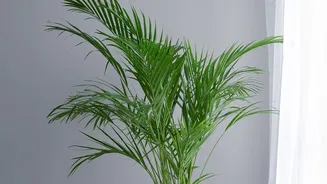
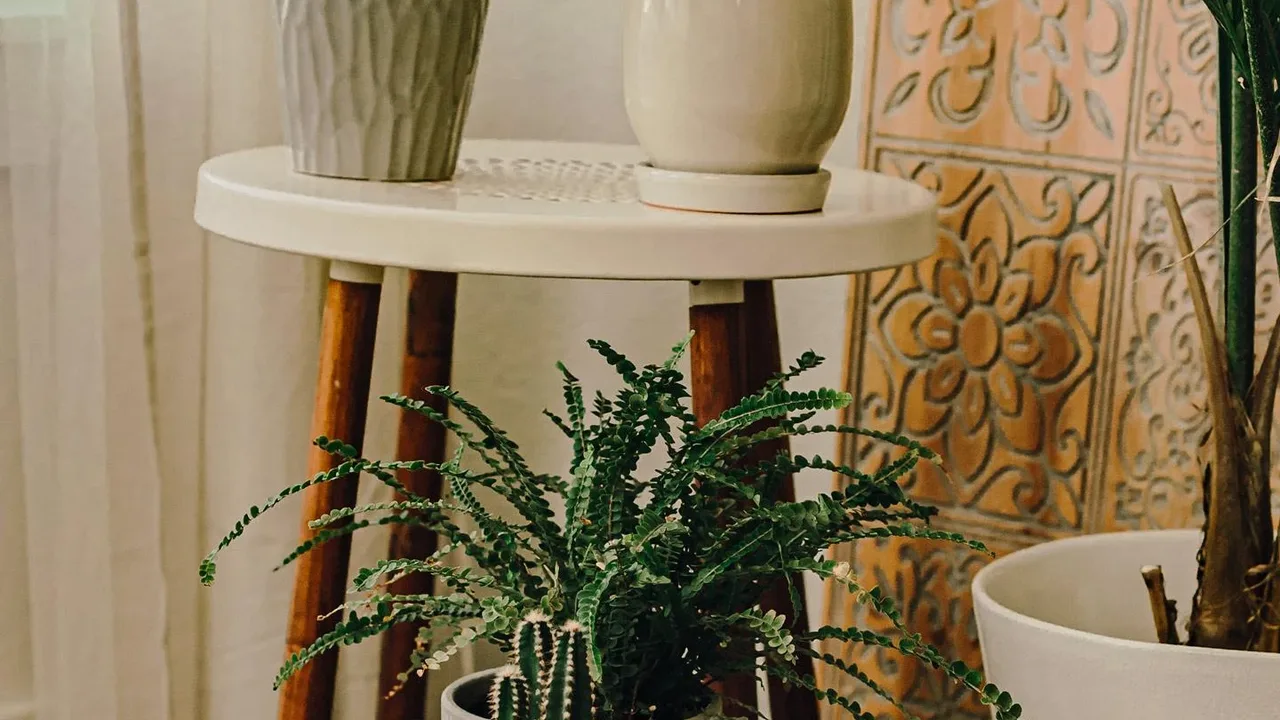
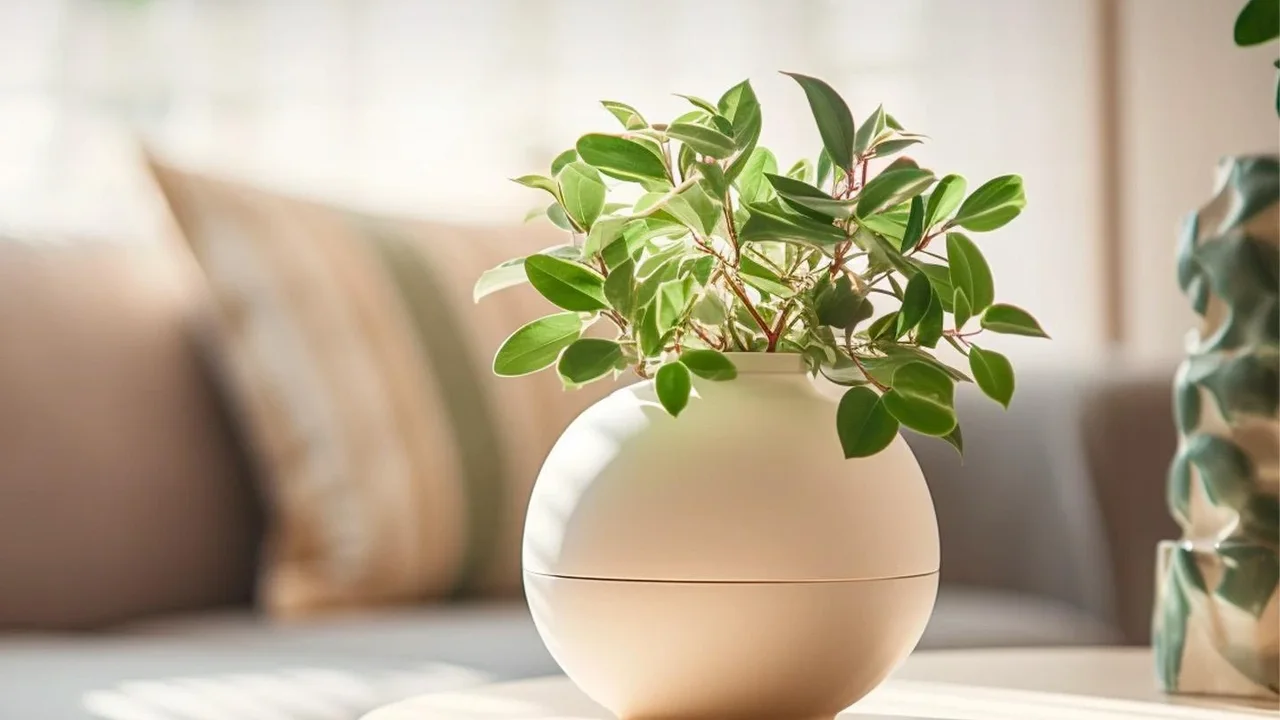
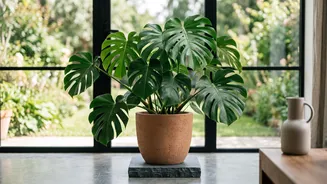
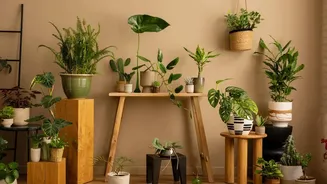
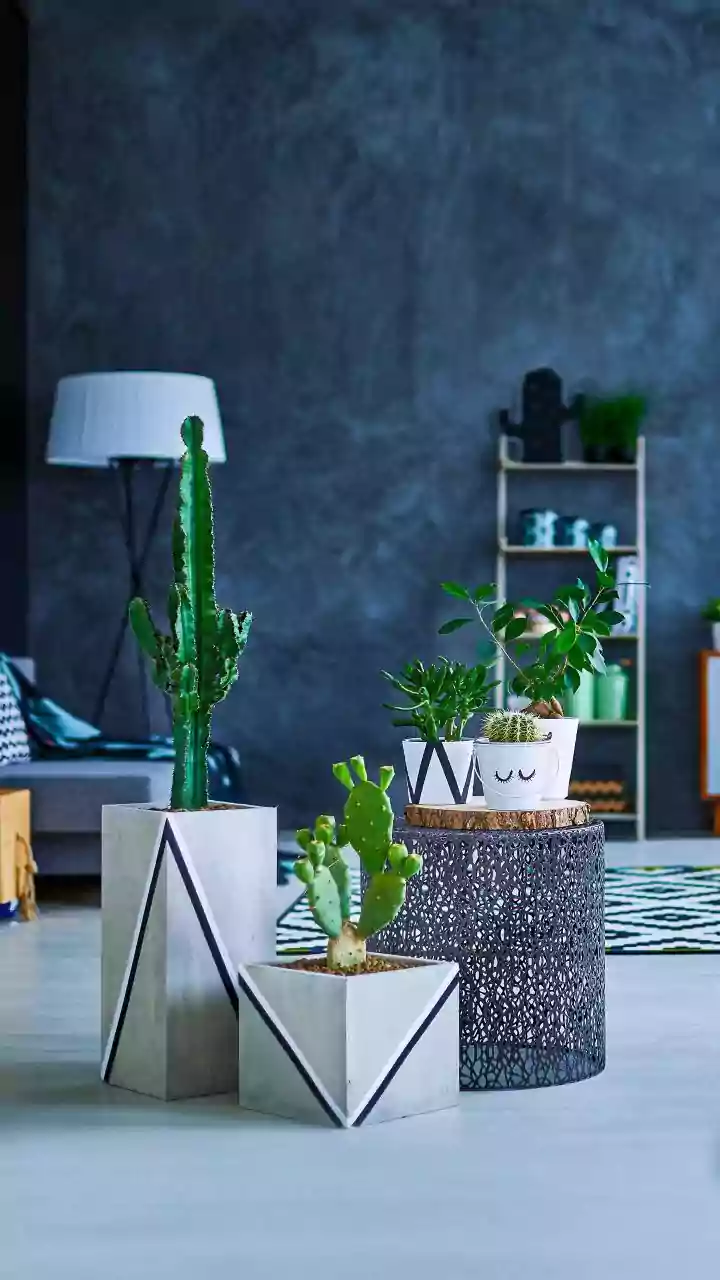
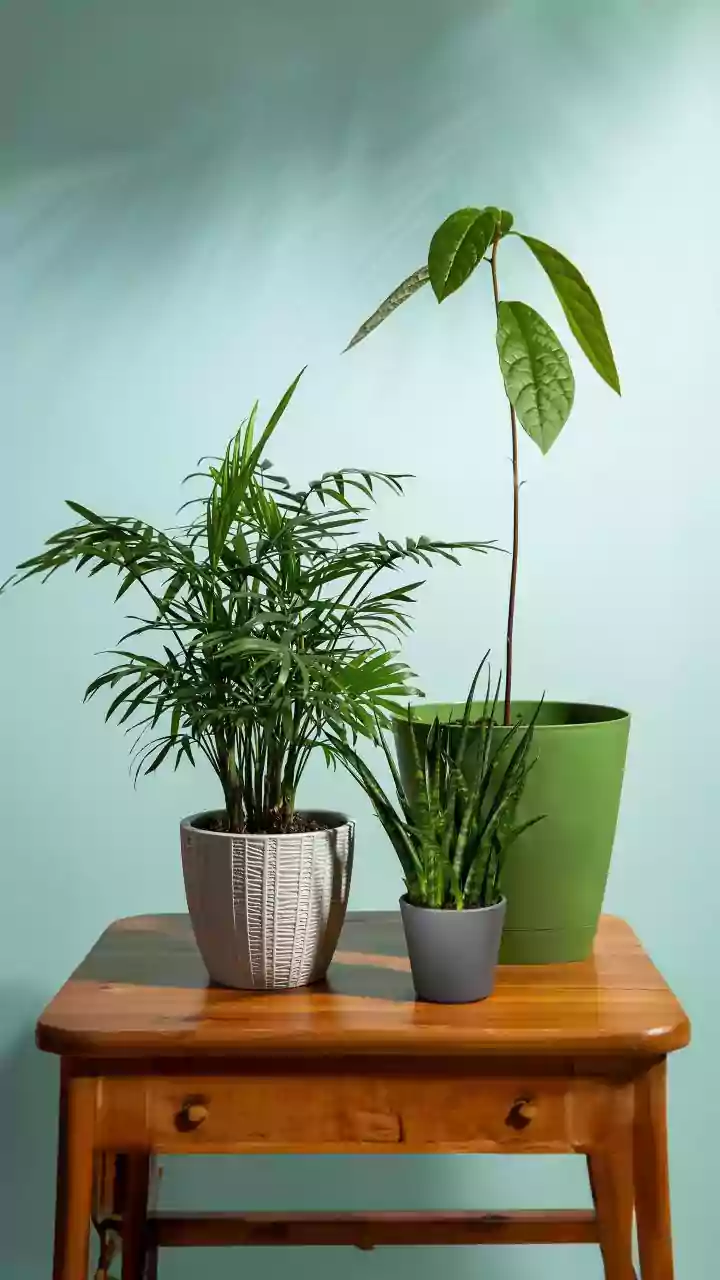
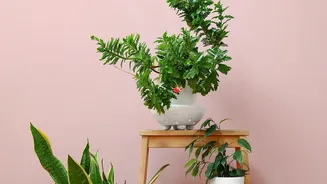
So, should you get rid of your green friends? Absolutely not. While they may not be air purifiers, their value in beautifying a space is immense. Plants introduce life, texture, and colour into our homes, softening harsh architectural lines and adding a dynamic, natural element that no piece of furniture can replicate. From a tall Fiddle Leaf Fig that creates a dramatic focal point to a trailing Pothos that adds a cascade of green down a bookshelf, indoor plants are a powerful tool in interior design. They make a space feel more welcoming, vibrant, and lived-in, connecting our indoor environments with the beauty of the outdoors.
A Natural Boost for Your Brain
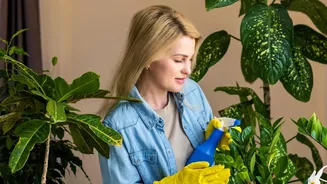
Beyond just looking good, houseplants have profound and scientifically-backed benefits for your mental well-being. Numerous studies have shown that the mere presence of indoor plants can help reduce psychological and physiological stress. Interacting with plants—even something as simple as watering them or wiping their leaves—has a calming effect and can induce feelings of relaxation. Research has linked indoor greenery to improved mood, increased focus, and better concentration, making them a perfect addition to a home office or study area. This connection to nature, often called the 'biophilia hypothesis', suggests that humans have an innate tendency to seek connections with nature and other forms of life.
The Joy of Nurturing
Caring for a living thing provides a unique sense of purpose and responsibility that many people find deeply rewarding. Tending to plants can be a meditative practice, helping to reduce symptoms of anxiety and depression. It encourages mindfulness, pulling you away from screens and into a tangible, gentle activity. Watching a new leaf unfurl or seeing a plant thrive under your care offers a quiet, consistent sense of accomplishment. This act of nurturing fosters a deeper connection to the natural world's cycles of growth and resilience, grounding us in a way that few other hobbies can. This psychological reward is perhaps the most powerful, if least discussed, benefit of welcoming plants into your home.