

The Ancient Magic of Fermentation
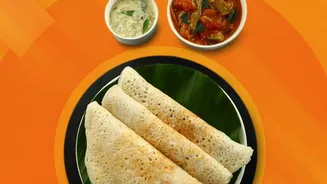
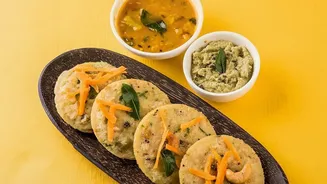
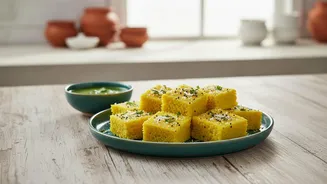
Long before probiotics became a wellness trend, Indian kitchens were harnessing the power of fermentation. This age-old process, where microorganisms like bacteria and yeast break down starches and sugars, is the secret behind staples like idli, dosa,
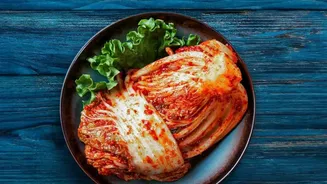
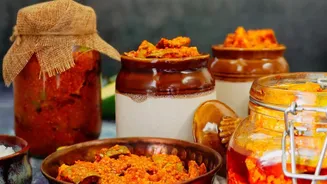
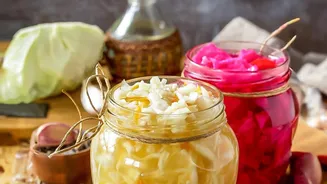
and dhokla. This natural transformation does more than just preserve food; it makes it significantly more nutritious and easier to digest. The fermentation of a simple rice and lentil batter not only creates the soft, fluffy texture of an idli but also increases the bioavailability of essential nutrients like B vitamins and iron. It pre-digests complex carbohydrates and proteins, making these foods gentle on the stomach while packing a powerful nutritional punch. This quiet, background process—a batter left to bubble overnight, a pot of milk turning into dahi—is a form of natural fortification, infusing meals with beneficial bacteria that support a healthy gut microbiome. This tradition, rooted in both climate and wisdom, transforms basic ingredients into gut-healthy superfoods.
The Genius of the Single Pot
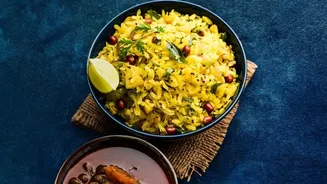
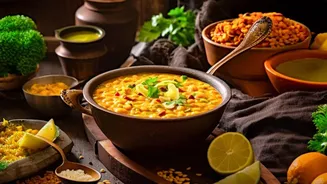
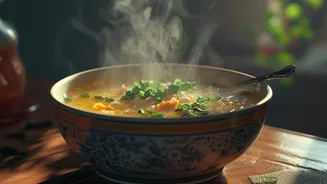
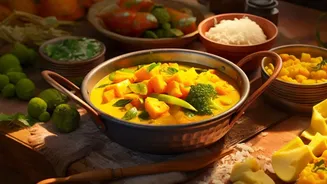
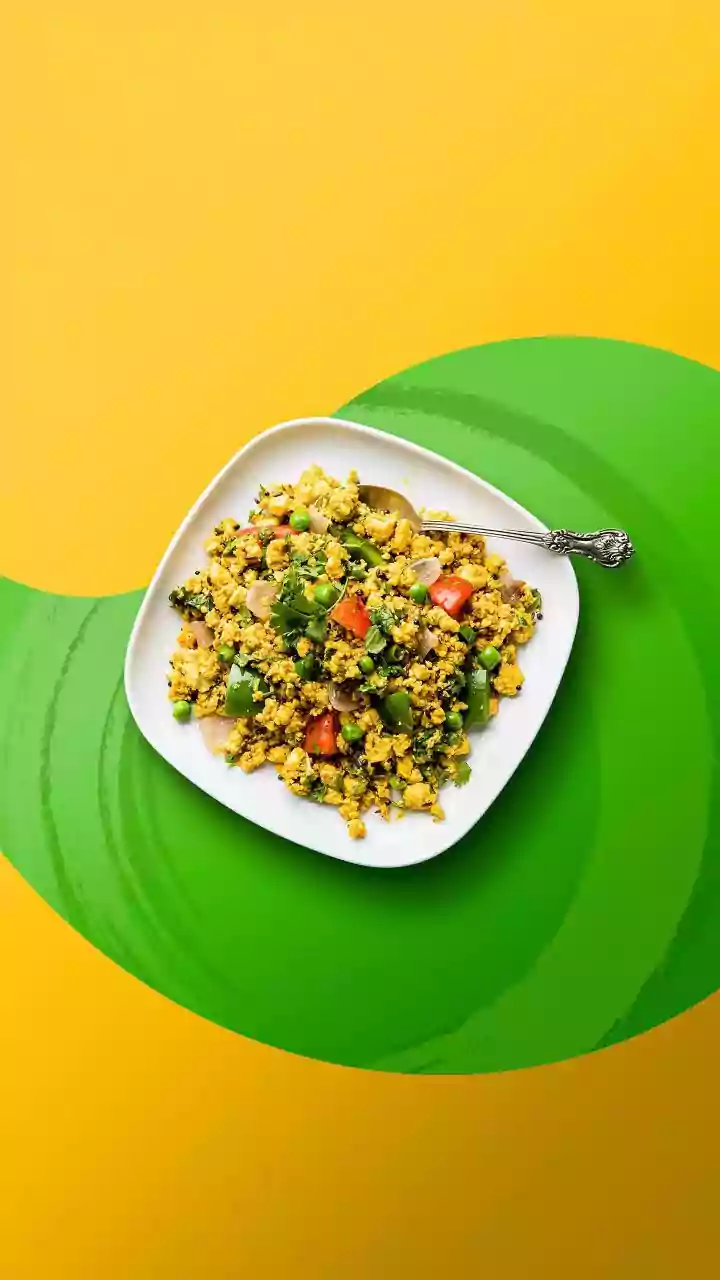
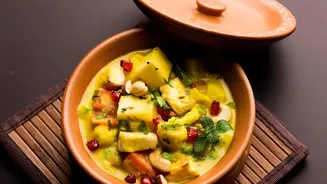
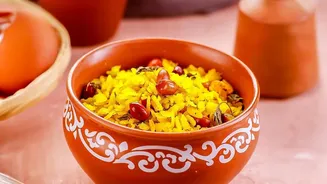
The one-pot meal is another cornerstone of Indian culinary heritage, celebrated for its efficiency and wholesome nature. Long before it became a modern-day life hack, dishes like khichdi proved that a complete, balanced meal could be created in a single vessel with minimal fuss. Khichdi, often considered India's unofficial national dish, combines rice and lentils to create a complete protein. This simple combination is a powerhouse of carbohydrates, protein, fibre, and essential minerals. But the concept extends far beyond khichdi. From Karnataka's Bisi Bele Bath, a flavourful mix of rice, lentils, vegetables, and a special spice blend, to Meghalaya's Jadoh, a red rice and meat dish, regional cuisines are filled with one-pot wonders. These dishes exemplify a philosophy of resourcefulness, using fewer utensils, less fuel, and less water. They are designed for busy lives, offering comfort and nourishment without demanding hours in the kitchen.
The Power of Flexible Ingredients
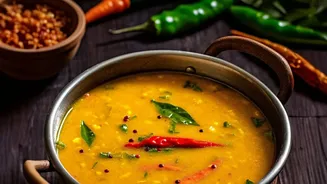
Perhaps the most profound principle is the inherent flexibility of Indian recipes. In many households, a recipe is not a rigid set of rules but a flexible framework. This is the essence of 'andaaz', an Urdu word that translates to estimation or personal style. It’s the intuitive understanding that allows a cook to adapt a dish based on what’s seasonal, what's available, and the specific tastes of their family. A dal or a sambar is rarely made the exact same way twice; a pinch more of this, a little less of that, a different vegetable thrown in. This approach encourages creativity and prevents food waste, as cooks substitute ingredients based on what they have on hand. It recognizes that ingredients are building blocks, each with a specific role—fat for flavour, acid for brightness, aromatics for the base. This adaptability ensures that traditional dishes remain vibrant and relevant, evolving with each generation and every new kitchen they are made in.
A Legacy of Sustainable Wisdom
Together, these three pillars—fermentation, one-pot cooking, and flexible ingredients—reveal a deep, traditional understanding of food that is remarkably modern in its relevance. They represent a holistic approach to cooking that prioritizes nutrition, sustainability, and efficiency. Fermentation enhances health from within, one-pot meals simplify our lives, and ingredient flexibility fosters a mindful connection to our resources. These are not just cooking techniques; they are life skills passed down through generations. They teach us that a truly good meal is one that is not only delicious but also intelligent, resourceful, and nourishing in every sense of the word. It's a culinary legacy built on making the most of what you have, a timeless wisdom that continues to feed and sustain us.