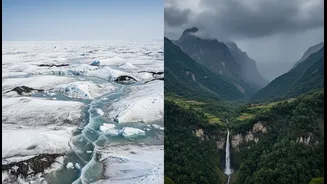





An Alarming Anomaly Down South
For years, climate scientists watched the Arctic with concern as its sea ice showed a steady, alarming decline. The Antarctic, by contrast, was more variable and complex. But starting around 2016, something shifted. After decades of relative stability
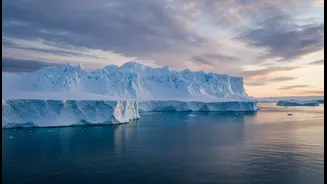
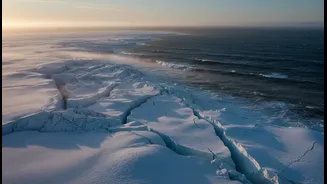
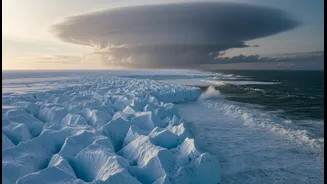
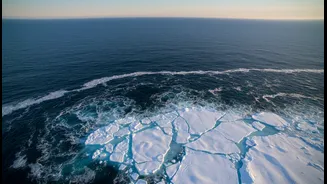
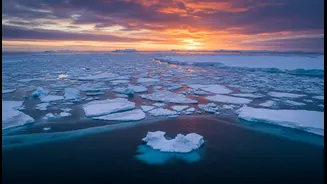
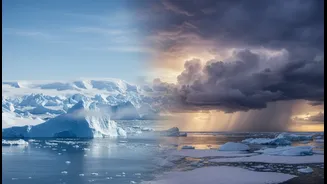
and even periods of growth, the sea ice surrounding Antarctica began to decline dramatically, hitting a record low in February 2023. At its winter peak that year, an area of ice larger than Western Europe was missing. While 2026 has seen a slight recovery toward near-average levels, it follows a string of the lowest years on record, and scientists emphasize the continent has not fully recovered from this recent, unprecedented loss. This abrupt change in a planetary system that had seemed resilient has sent shockwaves through the scientific community.
Why Sea Ice Matters to Everyone
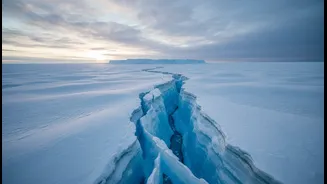
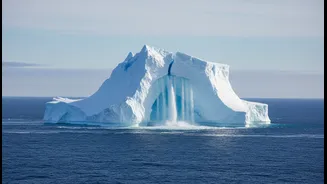
Antarctic sea ice isn't just a remote curiosity; it's a critical component of the global climate system. The vast, white surface acts like a giant mirror, reflecting the sun's energy back into space and helping to keep the planet cool—a process known as the albedo effect. When sea ice vanishes, it's replaced by dark ocean water, which absorbs heat instead, creating a feedback loop that accelerates warming. This floating ice also acts as a protective barrier for the continent's massive land-based ice shelves. Its disappearance can expose these shelves to warmer water and damaging waves, potentially speeding up their collapse and their contribution to global sea-level rise. Scientists are now studying how stronger winds and the release of trapped ocean heat are driving this new, low-ice era.
From Scientific Journals to Viral Videos
The raw data illustrating this dramatic drop, once confined to scientific databases and academic papers, has found a new, highly public stage: social media. Platforms like TikTok and Instagram are now home to stark, animated charts showing the precipitous fall of sea ice extent. These simple, powerful visuals, often set to dramatic music or a somber voiceover, have been shared millions of times. This trend is part of a broader movement where a new generation of scientists and activists are using short-form video to make complex topics accessible. They break down dense climate science into digestible, engaging content, turning platforms known for entertainment into powerful tools for education and awareness.
A New Kind of Climate Conversation
The viral spread of this information represents a double-edged sword. On one hand, it's bringing a critical environmental issue to a massive, younger audience that may not engage with traditional news or scientific publications. For many in Gen Z, climate change is a top concern, and they are using their digital fluency to build communities and drive conversations on their own terms. On the other hand, the simplification required for a 60-second video can lead to a loss of nuance. It can also fuel what some call "doomscrolling"—a cycle of consuming negative news that can lead to feelings of anxiety and helplessness rather than empowerment. Furthermore, the viral nature of these platforms also makes them a breeding ground for misinformation, where cherry-picked data can be used to promote false narratives.