


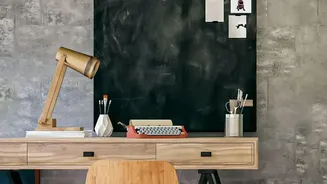
The Soul of a Home
For years, the goal for many modern homes was a coordinated, minimalist look, often sourced from the same handful of catalogues. The result was functional but often lacked personality. Today, there's a growing desire for spaces that tell a story. An old,
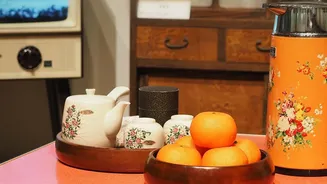
inherited armchair, a restored teak cabinet, or a colonial-era writing desk brings more than just function; it brings a narrative. Each scratch, patina, and hand-carved detail is a testament to a life lived, a history that cannot be replicated in a factory. This shift reflects a deeper cultural appreciation for objects with soul, connecting homeowners to a tangible sense of the past in their everyday lives.
Built to Last Generations
One of the most compelling reasons for this trend is durability. Much of the vintage and antique furniture found in India was crafted from high-quality solid woods like teak, rosewood, and sheesham. These materials were sourced from slow-growing trees in natural forests, resulting in dense, tight-grained timber resistant to pests and humidity. Unlike modern mass-produced items made from engineered boards and designed for a few years of use, these pieces were built with traditional joinery techniques intended for repair, not replacement. This commitment to quality means a well-maintained vintage table or cabinet can serve a family for generations, becoming a future heirloom rather than future waste.
The Sustainable Choice
The movement towards old furniture is also a quiet rebellion against 'fast furniture' and its environmental cost. Choosing a pre-owned or upcycled piece is an inherently sustainable act. It reduces the demand for new resources, prevents items from ending up in landfills, and lowers the carbon footprint associated with manufacturing and shipping new goods. As consciousness about environmental impact grows, Indian homeowners are making more mindful decisions about what they bring into their homes. Upcycling—the art of restoring and repurposing old items—has gained significant traction, allowing people to give a new life to everything from old doors to discarded sewing machines.
A Unique and Personal Style
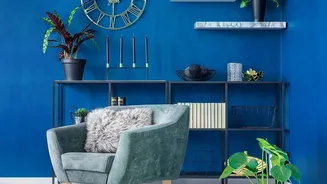
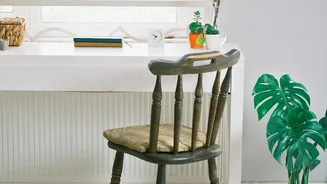
In a world saturated by social media trends, old furniture offers a powerful antidote: genuine individuality. Mixing vintage finds with contemporary decor allows for a layered, personal aesthetic that is impossible to buy off the shelf. A rustic Chettinad chair can add texture to a minimalist room, while an ornate Rajasthani jharokha can become a stunning focal point. This 'fusion' approach is increasingly popular, especially among younger homeowners sometimes called 'grandmillennials', who appreciate the warmth and familiarity of older styles within a modern context. They are discovering the thrill of the hunt in flea markets, antique shops, and even family attics, sourcing pieces that make their homes uniquely their own.
Investing in More Than Furniture
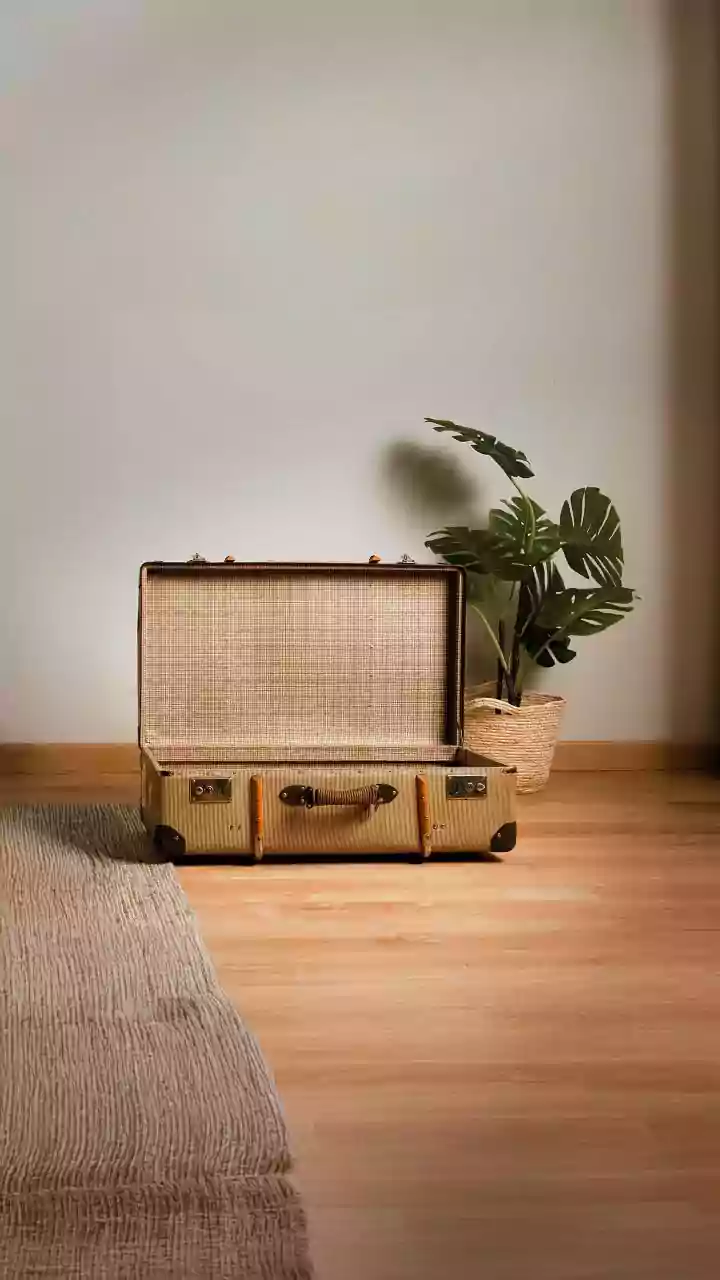
While new furniture begins to lose its monetary value the moment it leaves the showroom, a well-chosen antique or vintage piece can hold or even increase its worth over time. Factors like rarity, craftsmanship, and condition contribute to its long-term financial relevance. But the investment goes beyond money. It's an investment in stories, in craftsmanship, and in a home that feels curated and deeply personal. Whether it's a brass-fitted colonial campaign chest or a simple wooden trunk that has travelled with the family, these pieces are carriers of memory and culture. They transform a house into a home, grounding it in a sense of permanence and character.