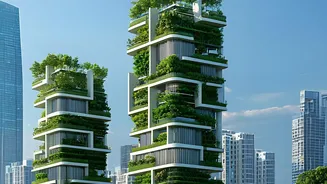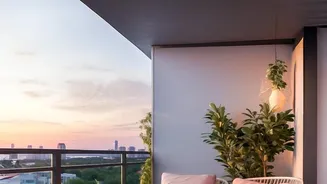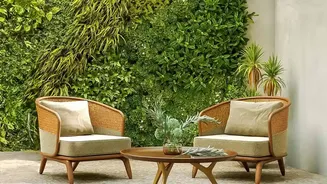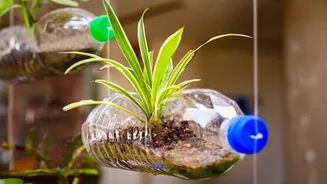

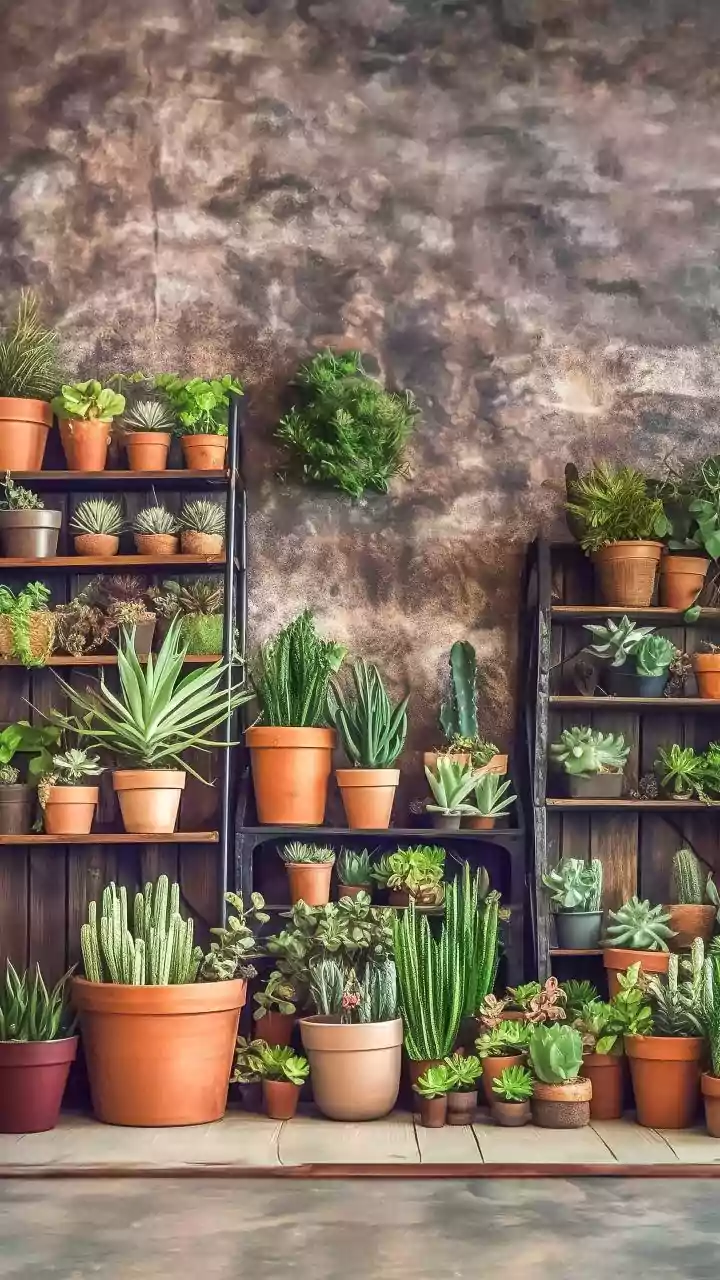



Living in a city often means sacrificing garden space. But what if your compact apartment balcony could become a lush, green sanctuary? Vertical planting systems offer a brilliant solution, transforming unused wall space into a thriving garden.
Why Go Vertical?
The most
obvious benefit of a vertical garden is its space-saving design. By growing upwards instead of outwards, you can cultivate a surprising number of plants without sacrificing precious floor space on your balcony. This upward growth also promotes better air circulation around your plants, which can help reduce the risk of fungal diseases and pests. Beyond the practical advantages, a living wall brings a powerful aesthetic boost, turning a plain balcony into a vibrant and calming environment. Studies have shown that being around nature reduces stress, and a vertical garden offers a daily dose of tranquility right outside your window. It also improves local air quality by absorbing pollutants and releasing oxygen.
Choosing Your Vertical System
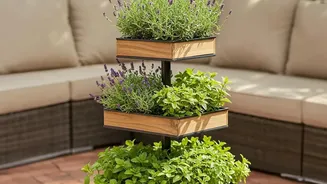
There are several types of vertical gardening systems to fit different spaces and budgets. Wall-mounted pocket planters, made of felt or recycled plastic, are popular for their flexibility and are great for herbs and smaller plants. Stacked planters are modular pots that sit on top of one another, creating a tower of greenery perfect for growing strawberries or flowers. For a more traditional look, you can use trellises to support climbing plants like morning glory or certain varieties of beans. You can also find freestanding vertical garden kits, which are self-contained structures with multiple tiers of planting boxes. When choosing, consider the types of plants you want to grow and how much weight your balcony railing or wall can safely support.
The Right Plants for Indian Balconies
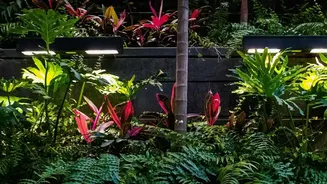
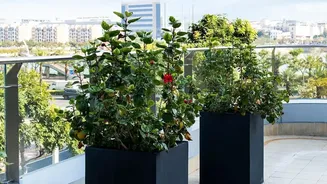
Selecting the right plants is crucial for a thriving vertical garden. Consider your balcony's sun exposure. For sunny spots, heat-tolerant plants like Portulaca, Vinca (Sadabahar), and dwarf Bougainvillea are excellent choices that flourish in Indian climates. If you're looking to grow edibles, herbs like mint, cilantro, and basil do very well. For shadier balconies or indoor-facing walls, Money Plant (Pothos), Syngonium, Spider Plants, and various ferns are forgiving and will create a lush, green texture. These plants are well-suited to the smaller soil pockets of vertical systems and can handle the specific growing conditions.
Setup and Soil
Setting up your garden is a straightforward process. First, securely install your chosen vertical system according to the manufacturer's instructions. For soil, it's best to use a lightweight potting mix rather than heavy garden soil, which can compact easily and become waterlogged. A good mix retains moisture but also allows for adequate drainage, which is critical in container gardening. Fill the pockets or containers loosely, without packing the soil down, to allow roots to breathe and grow. Mixing in some compost can provide a slow-release source of nutrients for your plants. Lightly water the soil before you start planting.
Care and Maintenance
Vertical gardens have unique care needs. The soil in smaller pockets can dry out quickly, especially on a windy or sunny balcony. It's important to check the soil moisture regularly; the top tiers often dry out faster than the bottom ones. An automated drip irrigation system can make watering consistent and effortless, but manual watering works perfectly well if you are attentive. Prune your plants regularly to encourage bushier growth and remove any dead or yellowing leaves. This not only keeps the garden looking tidy but also prevents pests and diseases. A balanced liquid fertiliser applied every few weeks during the growing season will provide the necessary nutrients to keep your green wall vibrant and healthy.