




The Miracle Material: Bamboo
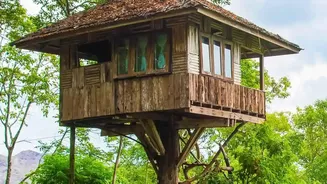
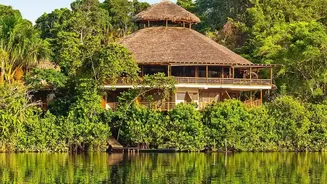
The star of Wayanad's sustainable architecture is bamboo, often called 'green gold'. This remarkable grass is not just aesthetically pleasing; it's an environmental powerhouse. Bamboo grows incredibly fast, reaching maturity in just three to five years,
making it a rapidly renewable resource compared to traditional timber. It also acts as a significant carbon sink, absorbing more carbon dioxide from the atmosphere than many trees. Its strength-to-weight ratio is impressive, giving it the durability needed for construction while remaining lightweight and flexible. By using locally sourced bamboo, resorts drastically reduce their carbon footprint, avoiding the emissions associated with producing and transporting materials like concrete and steel.
Building in Harmony with Nature
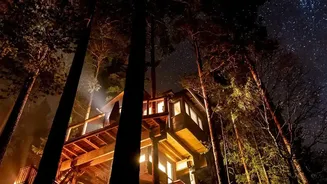
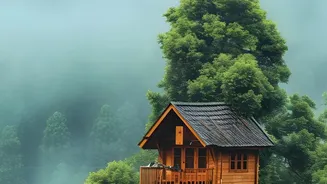
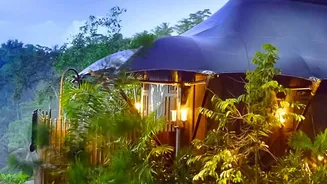
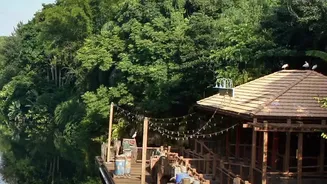
The philosophy behind these treehouses is to intrude as little as possible. Resorts often build on stilts or use existing trees as support, minimizing disturbance to the forest floor and natural drainage patterns. This approach maintains the integrity of the site, allowing the lush vegetation to thrive. Many resorts, like Uravu Bamboo Grove, involve local artisans and tribal communities in the construction process. This not only ensures the use of traditional building techniques passed down through generations but also provides a sustainable livelihood for the local population. The designs often blend modern comforts with vernacular style, using materials like mud and rubble alongside bamboo for a rustic, earthy feel that is both beautiful and eco-conscious.
A 360-Degree Approach to Sustainability
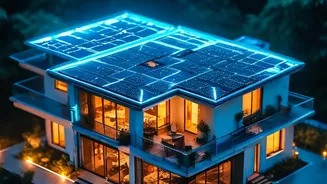
True eco-resorts in Wayanad understand that sustainability extends far beyond the building materials. Many properties are designed to be entirely plastic-free and employ comprehensive waste management systems, including composting organic waste. Water conservation is another priority, with many implementing rainwater harvesting systems to meet their needs. To further reduce their environmental impact, resorts often utilize solar panels for power and design structures that promote natural ventilation, reducing the need for air conditioning. This holistic approach ensures that every aspect of the guest's stay is aligned with the principles of responsible tourism.
More Than a Stay: An Eco-Conscious Experience
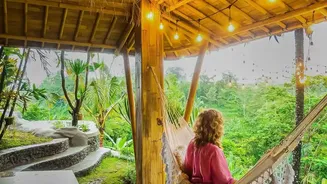
Staying in a bamboo treehouse is an immersive educational experience. It encourages guests to connect with nature on a deeper level, fostering a greater appreciation for the environment. Many resorts offer activities like guided nature walks, bird watching, and tours of their organic farms and spice plantations. The culinary experience is also rooted in sustainability, with many resort kitchens serving authentic Kerala cuisine made from locally sourced, organic ingredients. By engaging guests in these practices, these resorts are not just providing a vacation but are also promoting a message of conservation and responsible living. It’s an opportunity to experience firsthand how luxury and sustainability can go hand in hand.
Empowering the Local Community
A crucial pillar of sustainable tourism is its positive impact on the host community. Wayanad's eco-resorts actively contribute to the local economy by creating jobs and supporting local artisans and farmers. For instance, organizations like Uravu focus on empowering tribal communities by promoting traditional bamboo craftsmanship, ensuring that the benefits of tourism are distributed equitably. By partnering with local villages, these resorts help preserve cultural heritage while offering guests authentic experiences, from village walks to tasting local delicacies. This symbiotic relationship ensures that tourism growth supports, rather than displaces, the local way of life.