





A New Gateway Takes Shape
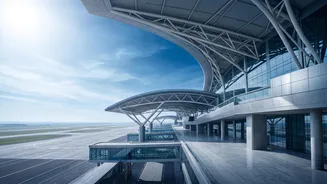
After years of planning and construction, the DB Patil International Airport, more commonly known as Navi Mumbai International Airport (NMIA), is preparing to open its doors. The first phase of this state-of-the-art facility is slated to begin operations
by early 2025, a development that promises to redefine air travel for millions in and around Mumbai. Initially, the airport is designed to handle 20 million passengers annually, a figure that will scale significantly in subsequent phases. This new gateway is not just an alternative to the perennially congested Chhatrapati Shivaji Maharaj International Airport (CSMIA); it's a critical piece of infrastructure designed to accommodate the region's future growth. For residents of Navi Mumbai, Thane, Kalyan, and even Pune, the airport's opening signifies an end to long and often unpredictable journeys to board a flight.
The Strategic Abu Dhabi Link
While airlines are still finalising their official schedules, a direct connection to Abu Dhabi is widely seen as one of the most logical and anticipated routes from the new airport. Why Abu Dhabi? The capital of the UAE is not just a major business and tourism destination in its own right; it's a colossal global hub. A direct flight would seamlessly plug Navi Mumbai into Etihad Airways' extensive network, offering one-stop connectivity to dozens of cities across Europe, North America, and Africa. This is a game-changer for both corporate and leisure travellers who currently have to navigate the dense traffic of Mumbai's existing airport. The establishment of such a route would be a strong signal of NMIA's international ambitions right from the start, catering to the immense demand driven by trade, tourism, and the large Indian expatriate community in the UAE.
More Than Just Convenience
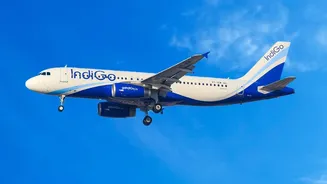
The launch of international flights from Navi Mumbai offers benefits that extend far beyond shorter commutes to the airport. By introducing new capacity into the Mumbai region, it is expected to foster greater competition among airlines, which could translate into more competitive fares for passengers. The current airport, CSMIA, operates under severe slot constraints, limiting the number of flights that can operate, especially at peak times. NMIA will alleviate this pressure, allowing airlines like IndiGo, which has been named the launch airline for the new airport, and others to expand their services. This expansion means more flight options, more flexible schedules, and the potential for new city pairings that were previously not viable due to capacity limitations. The ripple effect will be felt across the local economy, boosting hospitality, logistics, and employment opportunities.
Strengthening India-UAE Ties
A new direct flight between Navi Mumbai and Abu Dhabi also fits perfectly within the broader context of the deepening relationship between India and the United Arab Emirates. The two nations share robust economic and cultural ties, and aviation is the primary bridge that connects them. Air service agreements between the countries have periodically been expanded to meet soaring demand, but capacity has remained a bottleneck. The operationalisation of NMIA provides the physical infrastructure needed to fully leverage these bilateral rights. It allows both Indian and UAE-based carriers to introduce more services, further strengthening a travel corridor that serves millions of professionals, labourers, and tourists each year. This route would be a testament to the symbiotic relationship between the two nations, facilitating even greater movement of people and capital.
The Dawn of a New Aviation Era
The Navi Mumbai to Abu Dhabi connection, once launched, will be more than just another flight on the departures board. It will be a symbol of a new era for Indian aviation. As NMIA becomes fully operational through 2025 and 2026, we can expect a steady stream of announcements for new routes connecting the Mumbai region to the rest of the world. Destinations across the Gulf, Southeast Asia, and Europe are all likely candidates for direct services. This development is set to transform the Mumbai Metropolitan Region into a true multi-airport system, similar to global cities like London and New York. For the Indian passenger, the future looks bright, with more choices, greater convenience, and better connectivity to the world.