








As the warmer months arrive, it’s time to pack away our cosy winter companions. Proper storage is the key to ensuring your beloved woollens—from sweaters to shawls—emerge next season just as soft, fresh, and perfectly shaped as you remember them.
Start with a Clean Slate
The single
most important step before storage is to ensure every woollen item is thoroughly clean. Moths and other fabric pests aren't attracted to the wool itself, but to the invisible traces of skin cells, body oils, food particles, and sweat left on worn garments. Packing away even a seemingly clean sweater is like leaving out a feast for pests. For most woollens, gentle hand washing in lukewarm water with a mild, wool-specific detergent is ideal. Avoid harsh detergents or hot water, which can strip natural fibres or cause shrinking. For heavy or delicate items, dry cleaning is a safe and effective option that also eliminates any existing larvae or eggs. Never store woollens that are even slightly damp, as this can lead to musty smells and mildew, especially in humid climates.
The Fold, Never Hang Rule
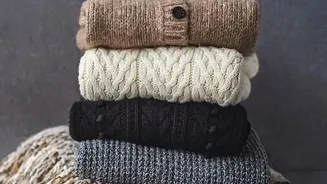
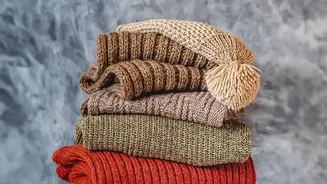
Gravity is the enemy of knitwear. Storing heavy woollen sweaters or cardigans on hangers for months is a sure-fire way to find them stretched and misshapen when you next pull them out. The weight of the garment pulls on the shoulders and neckline, causing permanent distortion and those dreaded 'shoulder bumps'. The best practice is to always fold your woollens flat. Lay the garment on a flat surface, smooth out wrinkles, and fold the sleeves inwards before folding the body of the sweater. For very delicate items like fine-gauge cashmere, placing a sheet of acid-free tissue paper between the folds can prevent deep creases and friction.
Choosing the Right Storage Spot
Where you store your woollens is as important as how you store them. The ideal environment is cool, dark, and dry. Attics and basements can be prone to extreme temperatures and humidity, which can damage wool fibres. A closet shelf or a drawer in a climate-controlled part of the house is a much better choice. For containers, breathability is key. Avoid storing wool in plastic vacuum-sealed bags for long periods. While they save space, they trap moisture and can crush the natural loft of the wool fibres, leading to mildew and permanent creasing. Instead, opt for breathable cotton or linen storage bags, or place items in clean, lidded plastic bins with some silica gel packets to absorb any excess humidity, a crucial step during the Indian monsoon.
Keeping Pests at Bay Naturally
For generations, naphthalene balls have been a common sight in Indian cupboards, used to repel moths. However, they are made of chemical pesticides that can release strong vapours, which may be harmful to health and leave a stubborn odour on clothes. Thankfully, there are many effective and fragrant natural alternatives. Cedarwood is a classic choice; it naturally repels moths and absorbs moisture. Placing cedar blocks or balls in your storage containers is a great first line of defence. Other traditional Indian remedies include placing small muslin pouches filled with dried neem leaves, cloves (laung), or camphor (kapoor) in with your clothes. Sachets of dried lavender, rosemary, or mint also work wonders, keeping pests away while imparting a lovely, fresh scent to your garments. Remember to refresh these natural repellents every few months to maintain their effectiveness.
A Quick Mid–Season Check
Don't just pack your woollens and forget about them until winter. It's a good practice to check on them at least once during the off–season , particularly during the peak of the monsoon . On a dry day , open your storage containers to let the garments air out for a few hours . This allows you to inspect for any signs of trouble , like mustiness or pests , and ensures your clothes remain in pristine condition . This simple check helps refresh the fibres , prevents any musty smells from setting in , and gives you peace of mind that your cosy investments are well protected .