



The Science of Seeing Green
Our innate desire to connect with nature, known as biophilia, is a powerful force. For centuries, humans evolved in natural landscapes, and our brains are hardwired to respond positively to elements of the natural world. When you're stuck in a small apartment,
working for hours in front of a screen, this connection is severed. Introducing a plant into your line of sight helps restore it. Studies have shown that even brief interactions with indoor plants can lower physiological and psychological stress. Researchers found that having plants in a room can make you feel more comfortable and soothed, measurably reducing stress markers like heart rate and blood pressure. This isn't just a vague feeling of wellness; it's your body's biological response to having a piece of nature nearby.
More Than Just Decoration
While plants are aesthetically pleasing, their benefits extend far beyond decor. Research consistently links the presence of indoor plants to improved mood, reduced stress, and heightened productivity. One study found that employees in offices with plants reported a 15% higher level of wellbeing and were 6% more productive. Plants give our eyes a much-needed break from the screen, providing a 'visual reset point' that helps combat cognitive fatigue. This can lead to better concentration and attention. In a compact WFH setting, where the lines between work and home are blurred, a plant can serve as a calming anchor, gently improving your focus without being a distraction.
Strategic Placement for Small Desks
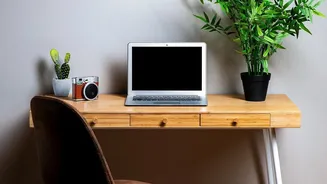
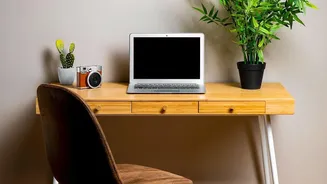
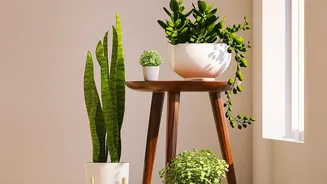
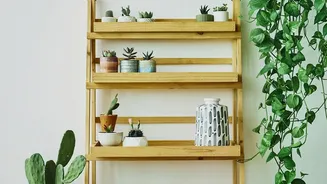
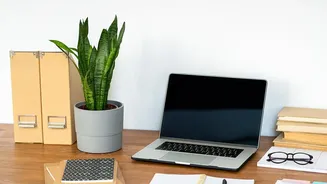
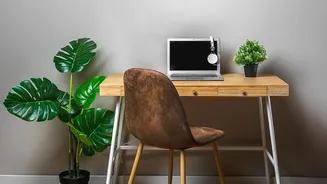
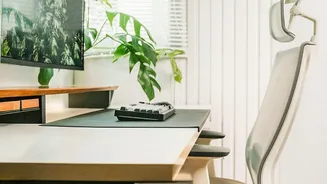
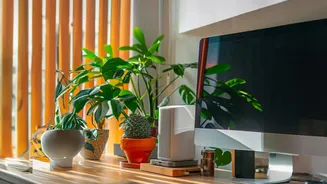
In a limited space, 'where' you put your plant matters as much as 'what' plant you choose. The goal is to maximize visual comfort without creating clutter. For a small desk, avoid a large, bushy plant that eats up valuable real estate. Instead, think vertically and peripherally. A trailing plant like a Pothos placed on a high shelf can create a beautiful green cascade that frames your workspace. A slender, upright Snake Plant can be tucked into a corner, adding life without getting in the way. Placing a small plant, like a succulent or a mini ZZ plant, just to the side of your monitor ensures it's in your field of vision, providing a subtle, restorative glimpse of green every time your eyes wander from the screen. This helps create a sense of depth and softens the harsh lines of your tech equipment.
Choosing Your Green Desk Companion
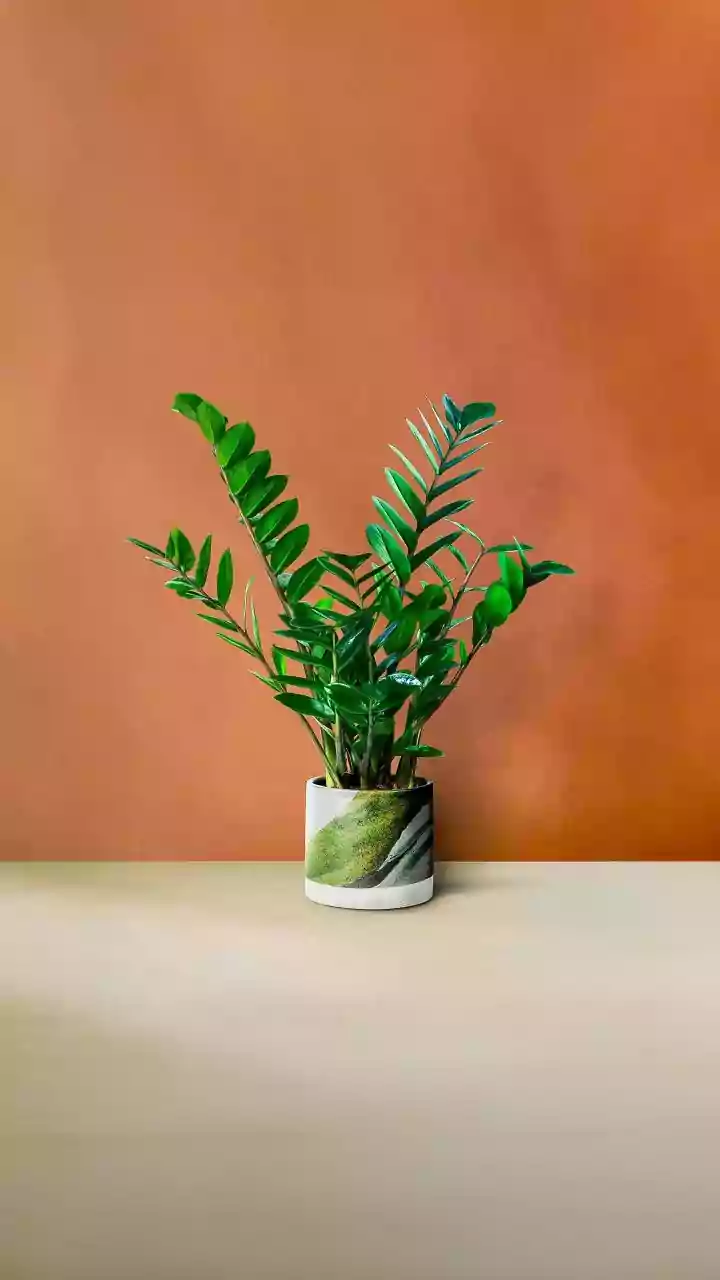
The best desk plant is one that thrives with minimal fuss. Your compact WFH setup might not have a big, sunny window, so low-light tolerant plants are your best friends. The ZZ Plant (Zamioculcas zamiifolia) is famously durable and can survive in low light and with infrequent watering. Snake Plants (Sansevieria) are another near-indestructible option, known for their air-purifying qualities and tolerance for neglect. For those who want a bit of trailing foliage, the Pothos (Epipremnum aureum) is incredibly forgiving and thrives in a variety of light conditions, even under fluorescent office lights. These plants are not only hardy but also perfectly scaled for a desktop environment, adding a touch of nature without demanding constant attention.
A Ritual of Care
Beyond the passive benefits, the act of caring for a plant can be a mindful ritual. Taking a few minutes to water your plant or wipe dust from its leaves provides a screen-free micro-break. This simple task can help punctuate your day, pulling you away from work-related stress and grounding you in the present moment. It fosters a sense of connection and responsibility that can be surprisingly rewarding. In an environment that can often feel static and sterile, nurturing a living thing introduces a dynamic and positive element. It's a small act of self-care that beautifies your workspace while subtly boosting your mental health.