






A Surge of Staggering Scale
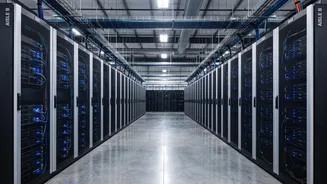
The International Energy Agency (IEA) has sounded the alarm: global electricity consumption from data centres is projected to double by 2030. In its latest World Energy Outlook, the agency forecasts that demand will surge to approximately 1,000 terawatt-hours
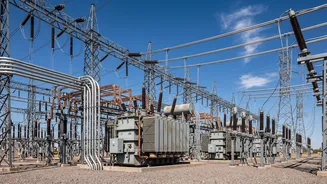
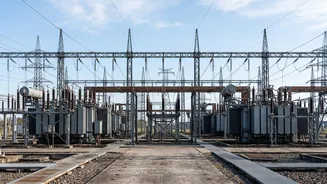
(TWh) by the decade's end. To put that number in perspective, 1,000 TWh is more than the current total annual electricity consumption of countries like Japan or Germany. This dramatic increase is expected to place significant strain on power grids worldwide and challenge global efforts to transition towards cleaner energy. Current data centre electricity use stands at around 1.5% to 2% of the global total, but this share is now set to expand rapidly after years of relative stability.
The Artificial Intelligence Accelerator
The single biggest factor driving this unprecedented demand is the boom in Artificial Intelligence. The IEA calculates that AI will be responsible for about three-quarters of the growth in data centre electricity use. Training and running complex AI models, like those behind generative AI services, is incredibly power-intensive. A single query to an advanced AI can consume nearly ten times the electricity of a simple Google search. This has led to the rapid construction of massive, specialised 'AI factories' around the globe. The IEA projects that electricity demand from data centres specifically optimised for AI could more than quadruple by 2030, highlighting how this technological shift is fundamentally reshaping energy consumption patterns.
The Efficiency Paradox Breaks
For over a decade, a remarkable trend held true: while demand for data and digital services exploded, the energy consumption of data centres grew only moderately. This was thanks to massive, consistent improvements in efficiency. Processors became more powerful for every watt of energy used, cooling systems became smarter, and large 'hyperscale' data centres operated with extreme efficiency. However, the IEA's new projections suggest this era may be ending. The sheer intensity of AI workloads is outpacing the gains from efficiency improvements. While the tech industry continues to innovate, the raw power required for AI computation is so great that it is pushing overall energy demand upwards at a rate that efficiency can no longer fully offset.
The Impact on India and the Grid
This global trend has significant implications for India, which is in the midst of its own data centre boom. Projections show India's data centre capacity is set to multiply, with some reports suggesting an eightfold surge in electricity demand by 2035. The Indian government has recognised data centres as a strategic priority, with significant investments pouring in from both global tech giants and domestic conglomerates, particularly in hubs like Maharashtra and Tamil Nadu. However, this expansion brings challenges. It will increase pressure on the national grid, raise concerns about water consumption for cooling, and test the country's ability to power this digital growth with clean energy, given that a majority of India's electricity still comes from coal.
A Fork in the Road
The energy challenge posed by data centres is leading the tech industry down a new path. Major tech companies are already the largest corporate buyers of renewable energy globally, entering into huge power purchase agreements. But the scale of the new demand is pushing them to explore even more consistent, 24/7 power sources. This includes a renewed interest in nuclear power, with some companies exploring partnerships to power their facilities with next-generation small modular reactors (SMRs). The IEA warns, however, that in the race to build capacity, some regions are turning back to fossil fuels. In the US, many new data centres are expected to be powered by natural gas, while in China, coal is projected to supply a significant share of the needed electricity, leading to a projected 70% increase in the sector's carbon emissions by 2030.