

The Story in Every Scratch
Mass-produced furniture from a catalogue tells a simple story: it was bought and delivered. A vintage piece, however, arrives with a history. Whether it’s a colonial-era planter chair inherited from a grandparent, a carved wooden chest found in a bustling
city market, or a brass lamp from a quaint antique shop, each item carries a narrative. The subtle imperfections—a faint water ring, a smoothly worn armrest, a slightly faded patina—are not flaws. They are markers of a life lived, adding a layer of depth and conversation to your space that brand-new items simply cannot replicate. These pieces turn your home into a visual autobiography.
Unmatched Craftsmanship and Quality
Before the era of flat-packs and particleboard, furniture was built to last for generations. Artisans used high-quality solid woods like teak, rosewood, and mahogany, employing techniques like dovetail joints and intricate hand-carving that are rare and expensive today. This superior construction means that a decades-old almirah or dining table is often more durable than its modern equivalent. Choosing vintage is also a more sustainable choice, as it keeps well-made items out of landfills and reduces the demand for new production.
A Statement of Individuality
While a matching set offers predictability, it can sometimes prevent a home from feeling truly personal. Decorating with vintage pieces allows you to become a curator of your own space. Mixing a modern sofa with an antique Rajasthani side table or placing a sleek contemporary lamp on a weathered wooden console creates a look that is uniquely yours. This eclectic approach, often called 'hipstoric', moves away from a 'showroom' feel towards a home that has been thoughtfully assembled over time. The goal is not to match, but to create harmony between different styles, textures, and eras, resulting in a space that feels layered and authentic.
Weaving a Cultural Tapestry
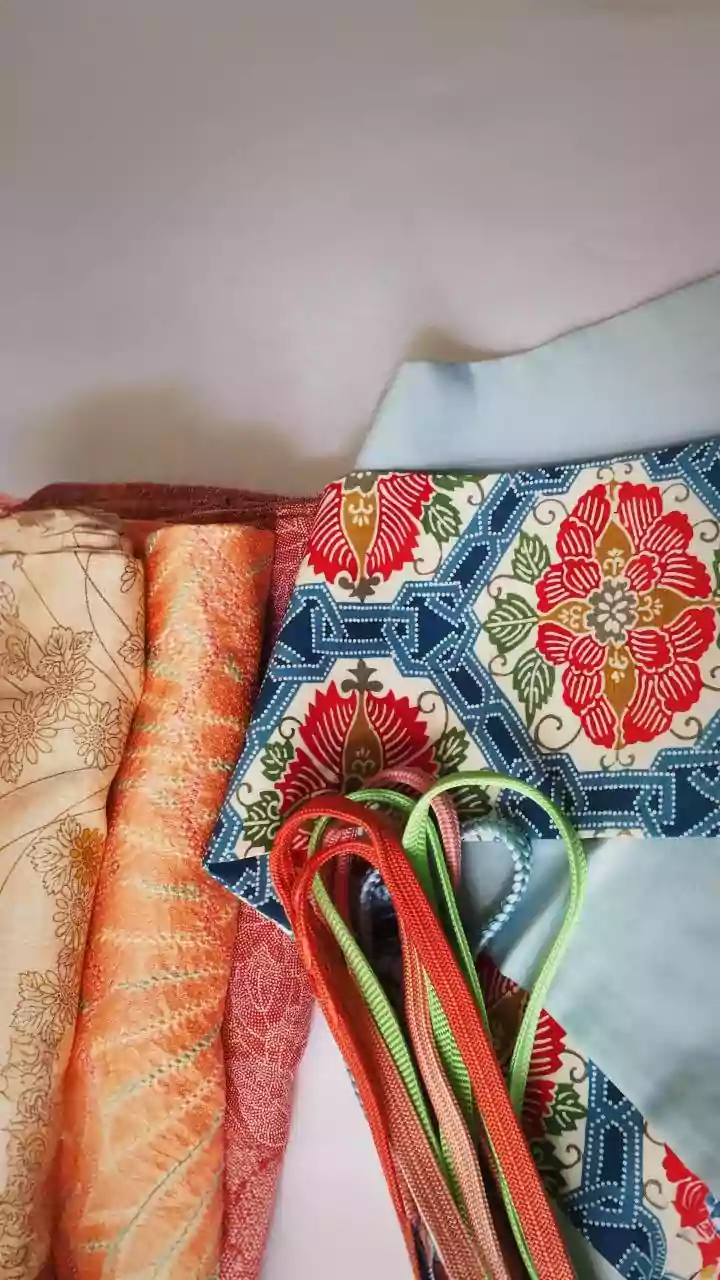
For Indian homes, vintage decor offers a powerful way to connect with cultural roots. Traditional Indian design is rich with vibrant colours, intricate patterns, and unique craftsmanship. Incorporating elements like a jhoola (swing seat), a diwan, furniture with detailed inlay work, or even old textiles can infuse a modern apartment with a sense of heritage and warmth. You can find these treasures in family attics, local 'chor bazaars', or specialty stores. These pieces—be it a brass urli, a Tanjore painting, or a set of hand-carved chairs—don't just decorate a room; they anchor it in a rich cultural context.
How to Start Your Vintage Journey
The idea of mixing and matching can feel daunting, but you don’t need to replace everything at once. Start small. Introduce one or two vintage items and see how they transform a room. Look for an interesting accent chair, a unique mirror, or a small cabinet. The key is to find pieces that speak to you. You can find a common thread to tie different pieces together, such as a shared colour palette or material, to create a cohesive look without being overly matched. A modern, minimalist room can be softened and elevated by a single, carefully chosen antique, creating a beautiful balance between the past and the present.