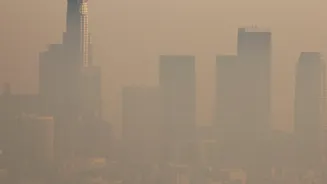





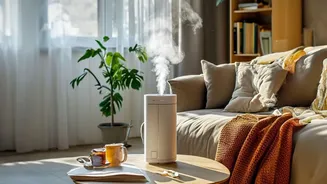
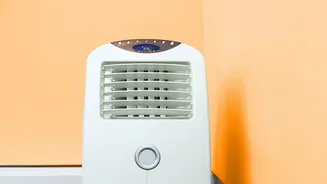
As smoggy skies become a familiar sight, many of us rely on home air purifiers for a breath of fresh air. But simply turning one on is not enough. An effective strategy involves a smart interplay between your device, your windows, and the air outside.
Filtration vs. Ventilation: The Two Core Ideas
To clear your indoor air, you have two main tools: filtration and ventilation. An air purifier filters the air already inside your room, using a HEPA filter to trap tiny, harmful particulate matter like PM2.5, which is a major component of smog. It recirculates the air, making it progressively cleaner. Ventilation, on the other hand, means exchanging indoor air for outdoor air, which is typically done by opening a window or using an exhaust fan. An air purifier cannot do this. These two actions are not the same, and on a high-pollution day, using them correctly is crucial. The goal is to remove harmful particles without letting too many new ones in.
The Ventilation Dilemma: Windows Open or Closed?
When smog is heavy, your first instinct should be to close your windows. This creates a sealed environment where your air purifier can work most efficiently. With the windows shut, it can effectively lower the concentration of pollutants that have already entered your home. However, a completely sealed room presents another problem: the buildup of carbon dioxide (CO2) from our own breath. Air purifiers cannot remove CO2, and high levels can lead to stuffiness, headaches, and poor sleep. This is where strategic ventilation comes in. You cannot keep your windows open continuously, as that would overwhelm the purifier with a constant stream of new pollutants. Instead, the best approach is to ventilate in short, controlled bursts.
Let the AQI Be Your Guide
Your strategy for ventilation should be dictated by the outdoor Air Quality Index (AQI). When the AQI is high (generally over 100 or 150), keep windows and doors closed as much as possible and let the purifier run continuously. This is when your home needs to be a sealed sanctuary from the pollution outside. Look for brief windows of opportunity when the AQI might dip, such as early in the morning or after rainfall. During these times, you can open windows for 10-15 minutes to flush out accumulated CO2 and bring in fresh oxygen. Once you close them, the air purifier can get back to work cleaning the new air. Always check a reliable AQI app before deciding to ventilate.
Optimising Your Purifier’s Performance
To get the most out of your device, placement and maintenance are key. Position the purifier in the room where you spend the most time, like a bedroom or living area. Don't hide it behind furniture; it needs open space to circulate air effectively. During high-smog periods, it's best to run the purifier continuously, as air quality can change rapidly. Many modern devices are energy-efficient, but using 'auto mode' can help by allowing the fan speed to adjust based on the detected pollution level. Most importantly, follow the manufacturer's schedule for cleaning pre-filters and replacing the main HEPA and carbon filters. A clogged filter cannot do its job properly.
Beyond the Purifier: A Whole_Home Approach
While a purifier is a powerful tool, it's part of a larger system. Be mindful of indoor pollution sources that can add to the problem, such as smoke from cooking (especially tadka), incense sticks, or candles. Use an exhaust fan in the kitchen and bathroom to vent pollutants and moisture directly outside. Sealing gaps in windows and doors can also help prevent polluted outdoor air from seeping in. Regularly wet mopping floors and dusting surfaces with a damp cloth can remove settled particulate matter, preventing it from becoming airborne again. Combining these habits with a dynamic purifier and ventilation strategy will create the healthiest possible indoor environment, even when the air outside is at its worst.