







What is Neem Oil?
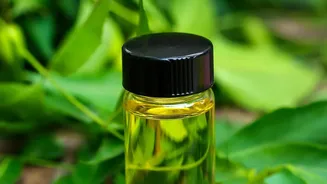
Neem oil is a naturally occurring pesticide extracted from the seeds of the neem tree (Azadirachta indica). This tree is native to the Indian subcontinent, where its medicinal and agricultural properties have been valued for centuries. The oil contains
several active compounds, with the most well-known being azadirachtin. This compound is what makes neem oil a potent tool for gardeners. It works not as an instant poison, but by disrupting the life cycle of pests. It can deter insects from feeding, interfere with their hormonal systems, and inhibit their ability to grow and reproduce, making it an effective, multi-action solution.
Why Choose a Natural Solution?
In a home garden, especially one with children and pets, using synthetic chemical pesticides can be a concern. These chemicals can leave behind residues and may harm beneficial wildlife like birds and pollinators. Neem oil, being biodegradable and non-toxic to most non-target organisms when used correctly, offers a much safer alternative. It specifically targets soft-bodied, leaf-eating insects without creating a 'death zone' that harms beneficial creatures like earthworms. Furthermore, its fungicidal properties help manage common plant diseases, making it a versatile 3-in-1 product for pest, disease, and mite control.
Your DIY Neem Oil Spray Recipe
Creating your own neem oil spray is simple and cost-effective. You only need three ingredients: cold-pressed neem oil, a mild liquid soap, and warm water. The soap acts as an emulsifier, allowing the oil and water to mix. For a standard solution, follow this recipe: In 1 litre of warm water, first mix in about half a teaspoon of mild liquid soap. Once the soap is dissolved, slowly add 1 to 2 teaspoons (5-10 ml) of neem oil while stirring continuously. Pour the mixture into a clean spray bottle and shake it well. It's crucial to use the mixture immediately, as neem oil can degrade quickly once diluted.
How to Apply It Correctly
The timing and method of application are key to success and plant safety. The best time to spray is in the early morning or late evening, as applying neem oil in direct, hot sun can cause the leaves to burn. Also, avoid spraying when beneficial pollinators like bees are active. Before treating an entire plant, it's wise to test the spray on a small leaf and wait 24 hours to ensure there is no adverse reaction. When you spray, ensure complete coverage. Many pests like aphids and mealybugs hide on the undersides of leaves and in plant crevices, so be thorough. For an active infestation, apply the spray weekly. For preventive care, spraying once every 14 days is usually sufficient.
Pests and Diseases It Manages
Neem oil is effective against a wide range of common garden nuisances. It is particularly useful for controlling soft-bodied insects such as aphids, mealybugs, whiteflies, thrips, and spider mites. It also works on the larval stages of many beetles and caterpillars. Beyond insects, neem oil is a valuable fungicide for preventing and controlling common fungal diseases that plague home gardens, especially in humid conditions. This includes issues like powdery mildew, black spot, and rust, which can quickly damage plant foliage. It works by preventing fungal spores from germinating, thereby stopping the disease from spreading to healthy tissue.
Important Precautions to Remember
While natural, neem oil is still a powerful substance. Always follow the dilution instructions on the product label, as concentrations can vary. Avoid using it on plants that are already stressed from drought, recent transplanting, or other issues. Some plants with delicate leaves can be sensitive, which is why a spot test is always recommended. More is not always better; over-application can clog the pores on leaves and hinder the plant's ability to breathe. Finally, keep the spray away from water bodies, as it can be toxic to fish and other aquatic life.