



The Sonoran Desert in Monsoon
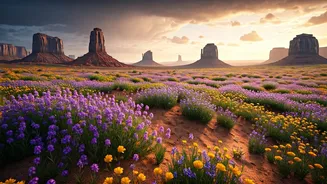
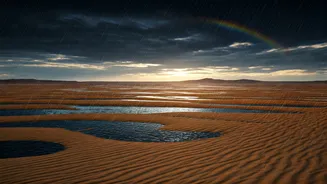
For much of the year, the Sonoran Desert of Arizona and Northern Mexico is a landscape of muted earth tones and stoic survival. But when the summer monsoon storms finally break, the transformation is immediate and dramatic. The first drops hit the superheated
soil and release a fragrance so distinctive it has its own name: petrichor, blended with the sharp, clean scent of the creosote bush. This is the smell of the desert breathing a sigh of relief. Within days, and sometimes hours, the parched ground erupts. Brittle-bush flowers burst into yellow, and the ocotillo, which looked like a cluster of dead sticks, sprouts tiny green leaves and fiery red blossoms. The rain doesn't just wash the desert; it awakens it.
A Neon-Lit City at Night
Rain in the city is often seen as an inconvenience—a chaotic mess of crowded subways and inside-out umbrellas. But after sunset, it becomes a cinematic event. Walk through a neighborhood like New York's Times Square or the dense streets of downtown Chicago, and the asphalt becomes a black mirror. Every traffic light, storefront sign, and piercing headlight is duplicated, bleeding into shimmering, abstract paintings at your feet. The world softens and sharpens at once. The aggressive glare of neon is diffused into a romantic glow, and the hiss of tires on wet pavement provides a steady, soothing soundtrack. The city, so often overwhelming and harsh, suddenly feels intimate, moody, and full of private moments.
California's Golden Hills
From late spring through fall, the rolling hills of coastal and inland California are a uniform, sun-bleached gold—beautiful, but static. The first significant autumn rain flips a switch. It’s a change that doesn’t happen in a day, but the process it kicks off is profound. The moisture coaxes green shoots from the dormant grasses, and over the following weeks, the entire landscape undergoes a startling costume change. The monotonous gold is replaced by a thousand shades of vibrant, living green. Driving through areas like the East Bay hills near San Francisco or the foothills of the Sierra Nevada after the rains have begun is like seeing the world in Technicolor for the first time after months of sepia.
The Pacific Northwest Rainforest
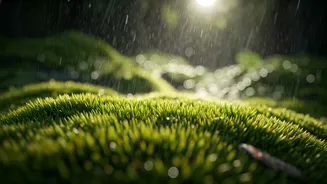
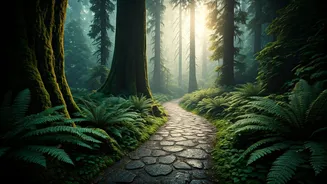
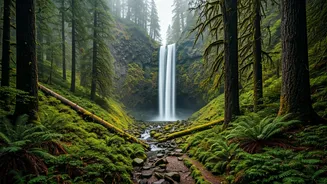
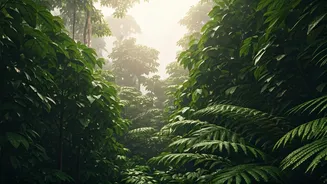
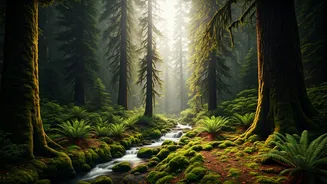
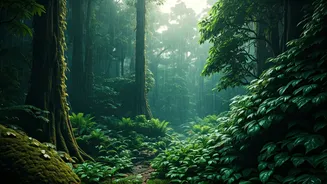
In a place where rain is the default setting, how can the *first* rain matter? It matters after the rare, dry weeks of late summer. In Washington's Hoh or Quinault rainforests, a dry spell can leave the sprawling mosses looking slightly tired and dusty. The first returning shower is a homecoming. The rain amplifies everything. The deep, emerald greens of the mosses and ferns become impossibly lush and saturated. Water drips from every surface, creating a percussive, vital soundscape. Mist weaves through the giant Sitka spruce and Western hemlocks, shrouding the forest in an ancient, mystical atmosphere. This isn't just rain; it's the forest’s lifeblood returning, and you can feel the entire ecosystem absorb it.
New England's Cobblestone Alleys
There’s a unique charm to walking through the historic districts of cities like Boston, Portsmouth, or Providence. But when rain begins to fall, that charm deepens into full-blown atmosphere. The rain darkens the centuries-old cobblestones and brickwork, revealing textures and colors flattened by the sun. In Boston’s Beacon Hill or along the narrow streets of Nantucket, the uneven stones glisten under the soft glow of gas lamps, creating a scene straight out of a historical novel. The rain dampens sound, making these quiet corners of the city feel even more secluded and peaceful. It’s a moment where the modern world falls away, and you’re left with just the rain, the stones, and a powerful sense of history.