


The Great Escape from Over-Tourism
For years, popular destinations like Shimla, Nainital, and Mussoorie have been grappling with over-tourism. The familiar scenes of bumper-to-bumper traffic, strained infrastructure, and overflowing viewpoints have left many urban travellers feeling like they’ve
simply traded one city for another. This fatigue with crowded commercial hubs is a primary driver behind the shift. Travellers are now actively seeking destinations that offer peace, not just a change of scenery. They are looking for an escape from the noise and the queues, finding it in the lesser-known valleys and meadows of the Himalayas. This has led to a surge in interest for places that promise solitude and a genuine connection with nature, something that has become a rare commodity in mainstream tourism.
A New Era of Authentic Experiences
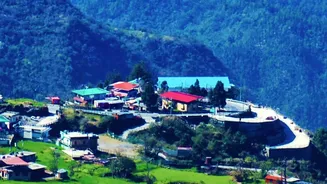
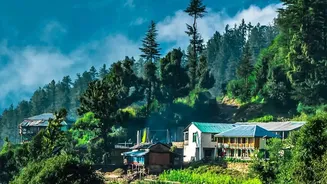
Modern weekend travel is increasingly about purpose-driven journeys rather than just ticking off a checklist of sights. Travellers are showing a growing preference for authentic experiences, from staying in local homestays and learning about regional culture to exploring untouched landscapes. The offbeat trails in Uttarakhand and Himachal are perfectly positioned to cater to this desire. Instead of the generic offerings of commercial hotels, these trips often involve stays in charming village guesthouses or eco-friendly alpine tents, contributing directly to local economies. Treks to places like Chopta in Uttarakhand, often called the 'Mini Switzerland of India', or the serene Tirthan and Sainj Valleys in Himachal, offer immersion into a simpler, quieter way of life that feels worlds away from the city.
Wellness and the Digital Detox
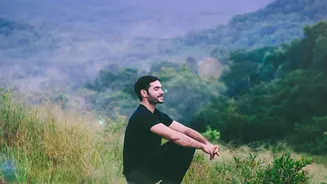
The focus on mental and physical well-being has become a significant force in travel. More than just a holiday, people are seeking 'wellness-focused' travel that allows them to reset and rejuvenate. The pristine air, quiet trails, and stunning vistas of the Himalayas provide the perfect backdrop for a digital detox and mental reset. These scenic escapes are now seen as a form of active healing—a chance to disconnect from screens, reduce stress, and focus on personal well-being. This trend reflects a broader change where travellers want to return from a trip feeling healthier and more balanced than when they left. The mountains, with their inherent tranquility, offer a natural, non-prescriptive solution for the burnout of modern urban life.
The 'Workcation' and Improved Accessibility
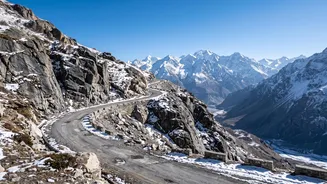
The rise of remote and hybrid work models has been a game-changer for weekend travel. Professionals are no longer tethered to the office, allowing them to extend their weekends into 'workcations'. This newfound flexibility means travellers can venture further and stay longer, making previously inaccessible trails a viable option for a 3-4 day trip. Improved road connectivity and a greater availability of information online have also played a crucial role. As travellers share their experiences on social media, awareness of these hidden gems grows, inspiring others to seek out paths less travelled. This has created a self-reinforcing cycle, where demand for offbeat locations encourages better local infrastructure, like homestays with reliable Wi-Fi, making these serene spots even more attractive to the modern traveller.