







From Personal Goal to Public Tribe
Think about how we used to talk about exercise. It was a chore, a means to an end—to lose a few kilos before a wedding, to fit into old jeans, or on a doctor's advice. The journey was personal and often solitary. That model is fading fast. Today, fitness
is a language, a culture, and for many, a primary source of community. The new question isn't just 'Do you work out?' but 'What's your tribe?' Are you a marathoner who lives for weekend long runs, a CrossFitter who speaks in WODs and AMRAPs, or a yogi dedicated to your 'shala'? This shift represents a fundamental change in our relationship with physical activity. It has moved from the realm of personal health into the sphere of social identity, where our choice of workout signals our values, our dedication, and our community.
The Anatomy of a Fitness Tribe
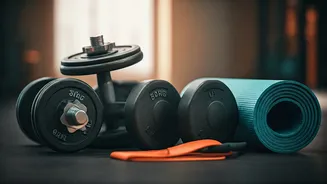
What turns a gym into a tribe? It’s a carefully crafted ecosystem. Boutique fitness brands like Cult.fit in India or SoulCycle abroad have perfected this model. They offer more than just equipment; they offer an experience. It starts with a shared space that feels exclusive and aspirational. It’s reinforced by a common language—the specific cues from a spin instructor, the names of CrossFit movements, the Sanskrit terms in a yoga class. Then come the rituals: the high-fives after a tough workout, the group photos, the branded merchandise that lets you display your allegiance outside the studio. These elements create powerful emotional bonds and a sense of belonging that a standard, anonymous gym rarely provides. You're not just a customer; you are part of something bigger than yourself, a member of a collective striving together.
Social Media: The Digital Locker Room
This transformation couldn't have happened without social media. Platforms like Instagram and fitness-tracking apps like Strava act as the digital glue holding these identities together. A workout isn’t complete until it’s shared. A sweaty post-workout selfie isn’t vanity; it’s a performance of identity, a signal to your tribe that you’ve put in the work. A screenshot of your personal best on a 10K run is a badge of honour, earning digital praise and encouragement from fellow runners. Hashtags like #runnersofinstagram or #yogaeverydamnday create vast, global communities, connecting individuals who might never meet in person but share the same passion. Social media has turned fitness from a fleeting activity into a persistent, visible part of one's online persona, reinforcing the identity every time you post.
The Business of Belonging
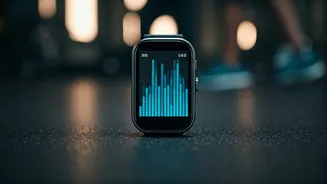
This trend is also incredibly lucrative. When fitness becomes an identity, people are willing to pay a premium for it. The high cost of boutique classes or a CrossFit membership isn't just for access to a facility; it's the price of admission to a curated community. This explains the explosion of branded apparel, specialised nutrition plans, and expensive gear associated with each fitness subculture. You don't just run; you wear a specific brand of shoes and a GPS watch that shows you are a 'serious' runner. This commodification of identity means that our quest for health and community is also a powerful engine of consumer culture. Brands are no longer just selling a service; they are selling a lifestyle and a ready-made identity that consumers are eager to adopt.
The Pressure to Perform
However, tying identity so closely to fitness has a downside. It can create a culture of exclusion, where those who don't fit a certain aesthetic or performance level feel unwelcome. When your social circle is built around a shared physical activity, an injury can lead to profound social isolation. Furthermore, it can foster an unhealthy pressure to constantly perform and project an image of peak fitness, potentially leading to overtraining, burnout, or body image issues. The line between a healthy passion and an unhealthy obsession can become blurry when your self-worth is measured in kilometres run, kilos lifted, or the number of likes on your latest gym photo. The community that provides validation can also become a source of immense pressure.