




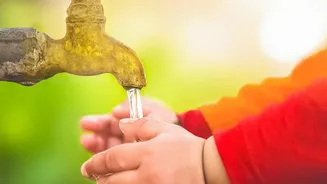


Know Your Water Guzzlers
Before you can save water, it helps to know where it all goes. In a typical Indian home, the majority of water is consumed in the bathroom and kitchen. Activities like bathing, flushing, washing clothes, and cleaning utensils account for the lion's share
of your daily water footprint. While the government's Jal Jeevan Mission aims to provide a standard of 55 litres per person per day in rural areas, many urban households consume significantly more. A single dripping tap can waste hundreds of litres a month, and an inefficient toilet can use several extra litres with every flush. Understanding these key areas of consumption is the first step toward targeted, high-impact conservation.
High-Impact Bathroom Fixes
The bathroom is the single largest source of domestic water use and therefore offers the biggest opportunity for savings. Switching from long showers to using a bucket can drastically cut water consumption. For those who prefer showers, installing a low-flow showerhead is an effective compromise. A simple, inexpensive fix is fitting aerators on all taps, which reduce flow without sacrificing pressure and can save a significant amount of water daily. Another major culprit is the toilet flush. Placing a filled one-litre bottle in your toilet's cistern can displace water, saving one litre with every flush. Regularly checking for and fixing toilet leaks—a silent and often unnoticed problem—is also crucial. A simple test is to add food colouring to the tank; if the colour appears in the bowl without flushing, you have a leak that needs immediate attention.
Smarter Habits in the Kitchen
The kitchen is another hub of water activity. A common source of wastage comes from Reverse Osmosis (RO) water purifiers, which can reject up to three litres of water for every one litre they purify. Instead of letting this 'reject water' go down the drain, it can be collected and used for a variety of household chores. This water, which has a higher concentration of dissolved solids, is perfect for mopping floors, washing balconies, pre-rinsing heavily soiled utensils, or even flushing toilets. When it comes to washing dishes, avoid letting the tap run continuously. Soaking pots and pans beforehand makes them easier to clean with less water. For those with a dishwasher, ensure you run it only with a full load to maximize efficiency.
Rethinking Laundry and Cleaning
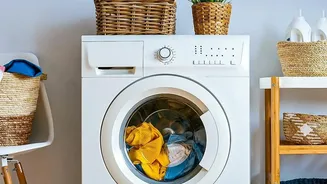
Washing machines are significant water consumers. The most straightforward way to save water here is to wait until you have a full load before running a cycle. This simple habit prevents the wastage associated with multiple smaller loads. The water rejected from RO purifiers can also be used for pre-soaking heavily soiled clothes or for certain types of laundry, though its high mineral content might not be suitable for delicate fabrics. When cleaning floors, the water used for rinsing vegetables can be repurposed. Instead of hosing down balconies or driveways, use a broom to sweep away dust and debris first, using water only when necessary.
Beyond the Home: Rainwater and Greywater
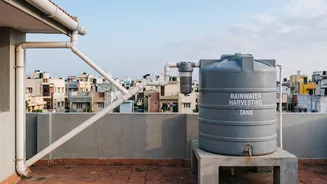
For those with the space and means, rainwater harvesting is a powerful tool for water conservation. Collecting rainwater from rooftops and storing it in tanks can provide a supplementary source for gardening, cleaning, and toilet flushing, reducing reliance on municipal supply, especially during dry spells. On a smaller scale, the concept of greywater reuse is accessible to everyone. This involves collecting water from bathing, washing hands, and laundry and using it for tasks that don't require potable water, such as watering plants or flushing toilets. These practices not only save fresh water but also reduce the load on urban water infrastructure and can lead to significant cost savings on water bills over time.